Key Takeaways
-
Differentiate between TENS (pain modulation), NMES (muscle strengthening), and EMS (muscle activation) before selecting treatment protocols, as each modality serves distinct clinical purposes and mixing them reduces treatment effectiveness.
-
Match electrotherapy modalities to specific diagnoses based on evidence; NMES has strongest support for disuse atrophy, while TENS shows mixed results for chronic pain and NICE explicitly recommends against routine TENS use for osteoarthritis.
-
Always integrate electrotherapy as a complement to active exercise and rehabilitation rather than a standalone treatment, as electrical stimulation alone does not produce lasting physiological adaptations or address underlying biomechanical causes.
-
Implement standardized safety screening before every treatment session, particularly checking for cardiac pacemakers, implanted defibrillators, and absent skin sensation, and confirm devices meet FDA standards like ISO 13485 certification.
Muscle and joint care has evolved considerably as electrotherapy technology matures and clinical evidence becomes more refined. For physical therapy clinics, chiropractic practices, and auto accident injury centers, selecting the right combination of TENS, NMES, and complementary devices can meaningfully influence patient outcomes, satisfaction, and retention. Yet not all electrotherapy applications are created equal, and understanding which modality fits which clinical scenario is essential for both compliance and results. This article breaks down seven practical, evidence-informed strategies that providers can apply immediately to strengthen their muscle and joint care programs, while avoiding the overgeneralized claims that undermine credibility in a clinical setting.
Whether you are outfitting a new rehabilitation suite, adding modalities to a chiropractic practice, or treating whiplash and soft tissue injuries following a motor vehicle accident, the following guidance draws on current research and regulatory standards to help you make informed purchasing and treatment decisions.
1. Distinguish Between TENS, NMES, and EMS Before Building a Protocol
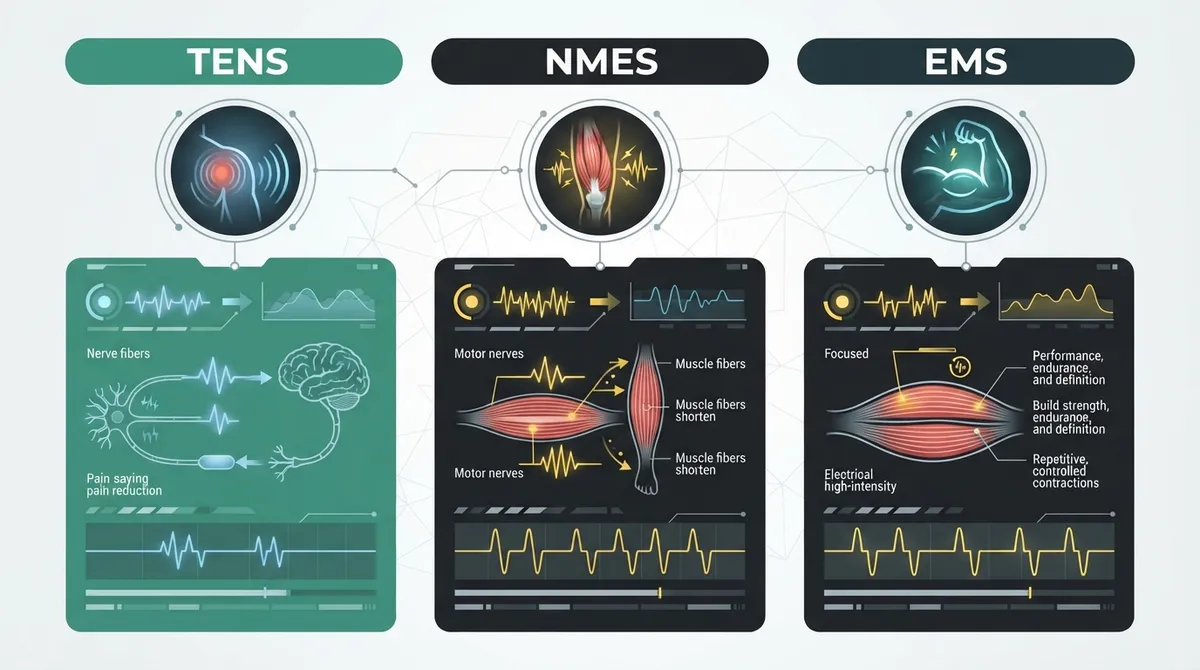
One of the most common mistakes in muscle and joint care is treating transcutaneous electrical nerve stimulation (TENS), neuromuscular electrical stimulation (NMES), and electrical muscle stimulation (EMS) as interchangeable tools. They are not. TENS is primarily designed to modulate pain signaling through sensory-level stimulation, while NMES and EMS are engineered to produce visible muscle contractions for strengthening or motor recovery purposes.
- TENS: low-voltage impulses aimed at short-term pain relief, often used alongside exercise or manual therapy
- NMES: stronger stimulation intended to address disuse muscle atrophy when nerve supply remains intact
- EMS: contraction-based stimulation sometimes used in post-surgical or athletic rehabilitation contexts
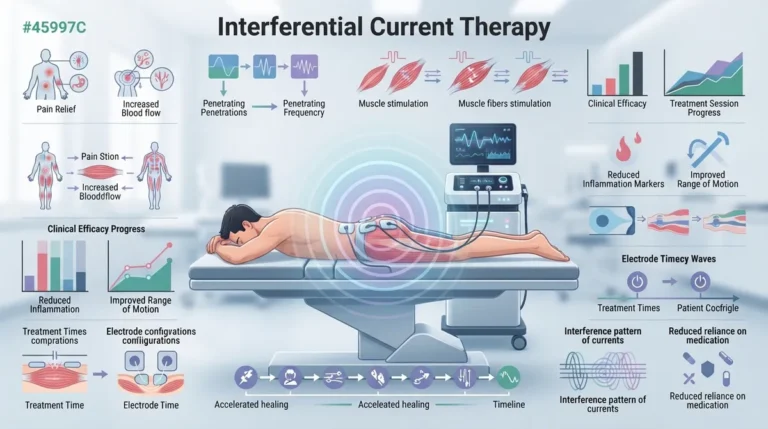
- Interferential current therapy: crossed electrical currents intended to reach deeper tissue for pain modulation
Clinics that clearly differentiate these modalities in their treatment planning tend to see more consistent patient outcomes and fewer misapplied protocols. Reviewing the devices available for each purpose is a practical first step before building condition-specific protocols.
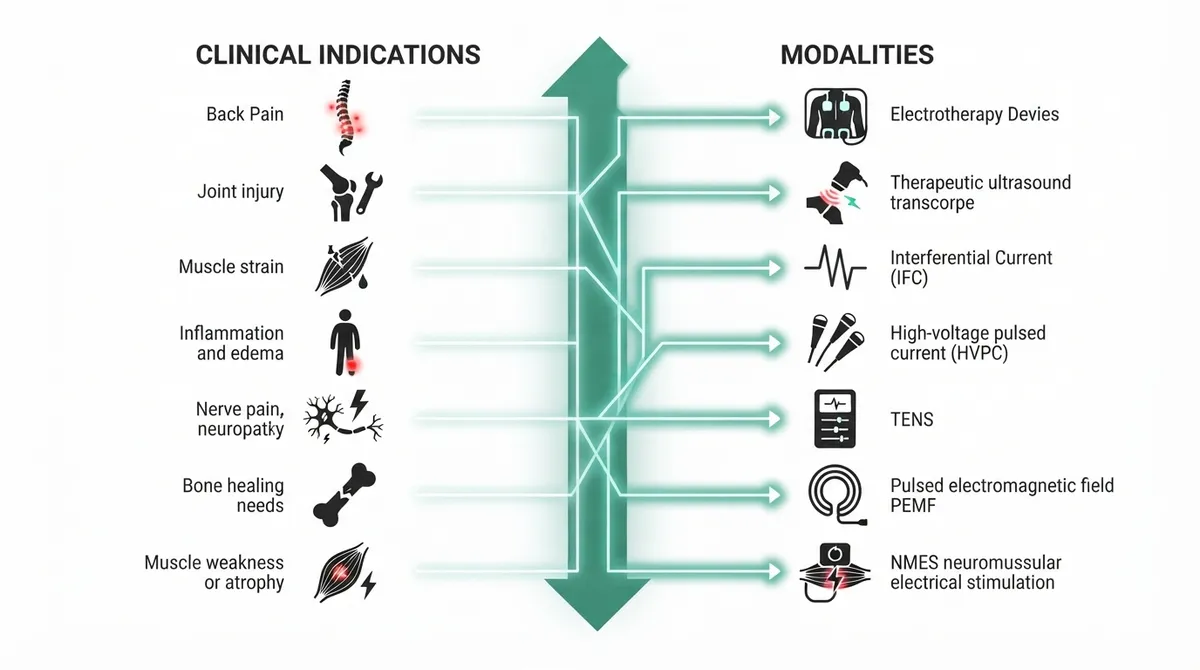
2. Match the Modality to the Clinical Indication
Evidence for electrotherapy is not uniform across all musculoskeletal conditions. According to a 2019 overview of Cochrane reviews, evidence remains insufficient to confidently determine whether TENS provides benefit across chronic pain conditions generally, with results varying significantly by diagnosis and stimulation protocol. This makes individualized assessment critical rather than applying a one-size-fits-all approach.
| Condition or Goal | Best-Supported Modality | Clinical Notes |
|---|---|---|
| Disuse muscle atrophy (intact nerve) | NMES | Strongest evidence base among common indications |
| Post-orthopedic rehabilitation | NMES/EMS | Often paired with supervised exercise |
| Post-stroke motor recovery | NMES | Weak recommendation per 2024 VA/DoD guideline |
| General chronic pain | TENS | Mixed evidence; short-term relief possible |
| Osteoarthritis pain | Not routinely recommended | NICE guidance advises against routine use |
Notably, NICE guidance on osteoarthritis published in 2022 explicitly recommends against routinely offering TENS, NMES, interferential therapy, ultrasound, laser therapy, or pulsed short-wave therapy because evidence of benefit is insufficient. Presenting electrotherapy honestly as condition-specific, rather than a universal solution, protects clinical credibility and patient trust.
3. Prioritize Correct Electrode Placement and Device Settings
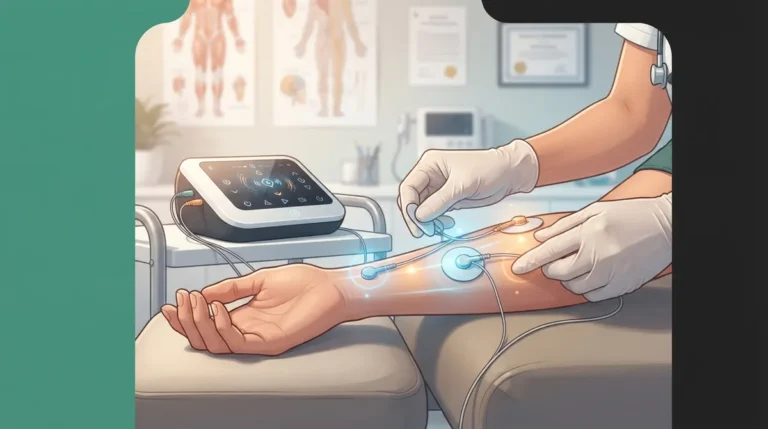
Outcomes in muscle and joint care depend heavily on how a device is programmed and applied, not just which device is chosen. Frequency, pulse width, intensity, session length, and electrode placement all influence both patient comfort and therapeutic effect.
- Identify the treatment goal: sensory-level stimulation for pain versus motor-level stimulation for contraction
- Select electrode placement based on the target nerve pathway or muscle group
- Start at a lower intensity and adjust gradually based on patient tolerance
- Document settings for consistency across repeat visits
- Reassess and modify the protocol as the patient’s condition changes
For clinics seeking placement guidance specific to common pain sites, resources like TENS unit pad placement tips can help standardize technique across staff members and reduce variability in results.
4. Use Electrotherapy as a Complement, Not a Replacement, for Exercise
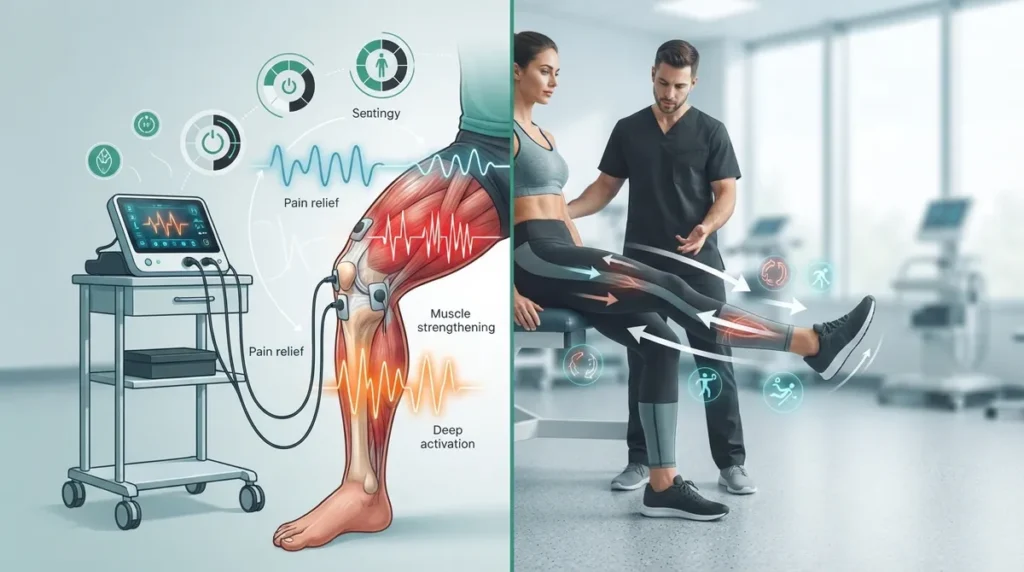
A recurring theme across current research is that electrical stimulation works best as an adjunct to active rehabilitation rather than a stand-alone treatment. NMES and EMS do not replace the physiological adaptations gained through progressive resistance training, and TENS does not address the underlying biomechanical or structural contributors to musculoskeletal pain.
- Pair TENS sessions with therapeutic exercise to sustain pain relief gains
- Use NMES to support strength recovery alongside supervised movement programs
- Set realistic patient expectations regarding temporary versus lasting relief
- Reinforce home exercise compliance during in-clinic electrotherapy sessions
This integrated approach aligns with broader public health guidance. The CDC’s guidance on nonopioid pain management emphasizes multimodal strategies, and electrotherapy fits naturally into that framework when paired with active rehabilitation.
5. Apply Rigorous Safety Screening Before Every Treatment
Patient safety must remain a non-negotiable priority in any muscle and joint care program. The FDA has issued clear warnings regarding electrotherapy device use, particularly for patients with implanted electronic devices.
| Contraindication | Reason |
|---|---|
| Cardiac pacemakers or defibrillators | Risk of electrical interference unless cleared by a qualified clinician |
| Stimulation across the chest | Potential cardiac risk |
| Front of neck or carotid sinus | Risk of affecting heart rate or blood pressure regulation |
| Infected, damaged, or cancerous skin areas | Risk of tissue complications |
| Areas with absent normal sensation | Reduced ability to detect excessive stimulation |
| Pregnancy | Safety not established per FDA guidance |
Establishing a standardized intake screening process for every new patient reduces liability and reinforces a clinic’s professionalism. Providers evaluating new equipment should confirm that devices meet appropriate regulatory standards, such as ISO 13485 certification, before incorporating them into patient care.
6. Tailor Protocols for Auto Accident and Soft Tissue Injury Cases
Auto accident injury clinics face a distinct set of challenges, including whiplash, cervical strain, and soft tissue damage that often require a combination of modalities. Electrotherapy can serve as a valuable component of a broader treatment plan that includes manual therapy, cervical support, and documented progress for insurance purposes.
- Combine TENS with cervical traction for neck-related whiplash symptoms
- Use conductive garments for consistent stimulation over larger treatment areas
- Maintain thorough documentation to support auto insurance and third-party liability claims
- Coordinate stimulation intensity with the acute versus subacute injury phase
Because auto accident claims often involve detailed documentation requirements, clinics benefit from working with a supplier experienced in these processes. Liberty Medical Solutions supports providers navigating electrotherapy protocols for auto accident treatment, including guidance on equipment selection and insurance coordination for workers’ compensation and third-party liability cases.
Supporting Recovery With Conductive Garments
For patients managing widespread soft tissue injury, conductive garments and TheraKnit garments offer a practical way to deliver consistent stimulation over larger body areas without requiring multiple electrode placements. These options are particularly useful for home-use compliance following in-clinic evaluation.
7. Build a Sustainable Equipment and Supply Strategy
Long-term success in muscle and joint care depends on reliable access to well-maintained, clinically appropriate equipment. Clinics should evaluate suppliers not only on device quality but also on their understanding of insurance billing, warranty support, and ongoing patient supply needs.
- Assess whether a supplier accommodates commercial PPO/POS, workers’ compensation, and auto accident insurance claims
- Confirm availability of replacement supplies, such as electrodes and lead wires
- Evaluate warranty registration and support processes for patient-owned devices
- Review training resources provided for clinical staff
- Request documentation support for insurance verification and claims
Liberty Medical Solutions has built its model around these exact needs, working directly with clinics and providers to simplify the process of integrating electrotherapy into daily practice. From back braces to cervical traction units, the full product catalog is designed to support both clinical outcomes and administrative efficiency.
Comparing Common Electrotherapy Modalities at a Glance
| Modality | Primary Purpose | Typical Setting | Evidence Strength |
|---|---|---|---|
| TENS | Pain signal modulation | Clinic and home use | Mixed; short-term benefit reported in some studies |
| NMES | Muscle contraction/strengthening | Clinic-supervised rehabilitation | Moderate for specific indications |
| EMS | Muscle activation | Post-injury or athletic recovery | Variable; condition-dependent |
| Interferential Current | Deeper tissue pain modulation | Clinic setting | Limited high-quality evidence |
Recent research, including a 2025 review published through the National Library of Medicine, reports that meta-analytic evidence supports immediate or short-term pain reduction with TENS in select conditions, while also acknowledging methodological limitations and inconsistent stimulation parameters across studies. This reinforces the importance of individualized clinical judgment rather than generic protocols.
Why Clinical Precision Matters More Than Ever
Given that National Institutes of Health data shows persistently high rates of chronic pain among U.S. adults, providers face growing pressure to offer effective, non-pharmacological options. Electrotherapy, when applied with clinical precision and realistic expectations, can be a valuable part of a broader nonopioid pain management strategy, particularly for physical therapy clinics, chiropractic practices, and auto injury centers seeking to differentiate their services.
Organizations such as the Cleveland Clinic and WebMD continue to publish patient-facing resources on TENS therapy, which underscores growing public awareness and expectation for evidence-based explanations from providers. Clinics that can clearly articulate what electrotherapy can and cannot do build stronger, more trusting patient relationships.
Final Thoughts on Strengthening Your Muscle and Joint Care Program
Effective muscle and joint care in an electrotherapy context requires more than acquiring equipment; it demands a clear understanding of modality differences, evidence-based indications, safety protocols, and integration with active rehabilitation. Physical therapy clinics, chiropractic practices, and auto accident injury centers that apply these seven strategies position themselves to deliver more consistent, defensible, and patient-centered outcomes.
Liberty Medical Solutions works closely with healthcare providers to supply customized electrotherapy devices, back braces, cervical traction units, and conductive garments, while navigating commercial PPO/POS, workers’ compensation, and auto accident insurance requirements. If your practice is ready to strengthen its muscle and joint care offerings with reliable equipment and knowledgeable support, reach out to our team today to discuss the right solutions for your patients.
FAQs
Q: What is the difference between TENS, EMS, and NMES for muscle and joint care?
A: TENS delivers low-voltage impulses primarily to modulate pain signaling, offering temporary sensory-level relief. NMES and EMS use stronger stimulation to produce visible muscle contractions, supporting strengthening, disuse atrophy management, and select rehabilitation goals. These modalities serve different clinical purposes and should be selected based on the specific treatment objective.
Q: Can TENS help knee, back, shoulder, or arthritis pain?
A: TENS may provide short-term pain relief for some musculoskeletal conditions, though evidence varies by diagnosis and treatment protocol. Notably, current osteoarthritis guidance recommends against routine use of TENS for arthritis pain due to insufficient evidence of benefit. It is best used as a complement to exercise and other conservative care rather than a stand-alone solution.
Q: Does electrical muscle stimulation build strength or replace exercise?
A: NMES and EMS can support muscle activation and help address disuse atrophy, particularly when nerve supply is intact, but they do not replace the physiological benefits of progressive resistance training. These modalities are most effective when integrated into a supervised rehabilitation program alongside active exercise.
Q: Is electrotherapy safe for people with pacemakers or implanted defibrillators?
A: Electrotherapy devices generally should not be used on patients with cardiac pacemakers, implanted defibrillators, or other implanted electronic devices unless specifically cleared by a qualified clinician. Providers should conduct thorough safety screening before every treatment to identify these and other contraindications.
Q: Can electrotherapy be used after knee replacement, injury, or surgery?
A: NMES is commonly used to support rehabilitation following select orthopedic procedures, particularly to address muscle weakness when nerve supply remains intact. Treatment protocols should be individualized based on the surgical procedure, healing timeline, and guidance from the treating clinician.