Key Takeaways
-
Microcurrent therapy delivers subsensory electrical currents (under 1 mA) that stimulate ATP production for cellular repair without the tingling sensation or muscle fatigue associated with TENS or EMS modalities.
-
Frequency-Specific Microcurrent (FSM) allows clinicians to target specific tissue types using precise frequency combinations, making it effective for complex conditions like fibromyalgia, nerve pain, and post-surgical scar tissue.
-
Microcurrent therapy is FDA-cleared for general pain management and safe to combine with physical therapy, chiropractic adjustments, and medications, with over 30 years of clinical use supporting its low adverse event rate.
-
Clinical applications span physical therapy (post-surgical recovery, soft tissue injuries), chiropractic (chronic back pain, fibromyalgia), and auto accident injury centers (whiplash, acute trauma) without introducing new discomfort.
-
Proper documentation of medical necessity and pairing microcurrent with complementary technologies (cervical traction, conductive garments) enhances outcomes and supports insurance reimbursement across workers' compensation and auto accident claims.
-
Clinics hesitant about the subsensory nature should prioritize outcome-based data showing improved tissue healing rates and reduced inflammation markers rather than patient sensation as the clinical decision-making standard.
Physical therapists, chiropractors, and auto accident injury specialists are constantly searching for treatment modalities that deliver measurable results without adding discomfort to a patient’s recovery process. Microcurrent therapy has emerged as one of the most promising additions to the electrotherapy toolkit, offering a subsensory approach that stimulates cellular repair rather than muscle contraction. As chronic pain continues to affect a significant portion of the U.S. population, according to the National Institutes of Health, providers are looking for non-pharmacological options that align with evolving clinical guidelines. This article examines how microcurrent therapy works, how it differs from traditional TENS and EMS modalities, and why clinics across specialties are integrating it into their treatment protocols. Whether you operate a physical therapy clinic, a chiropractic practice, or an auto injury rehabilitation center, understanding this technology can help you expand patient care options and improve outcomes.
What Is Microcurrent Therapy?
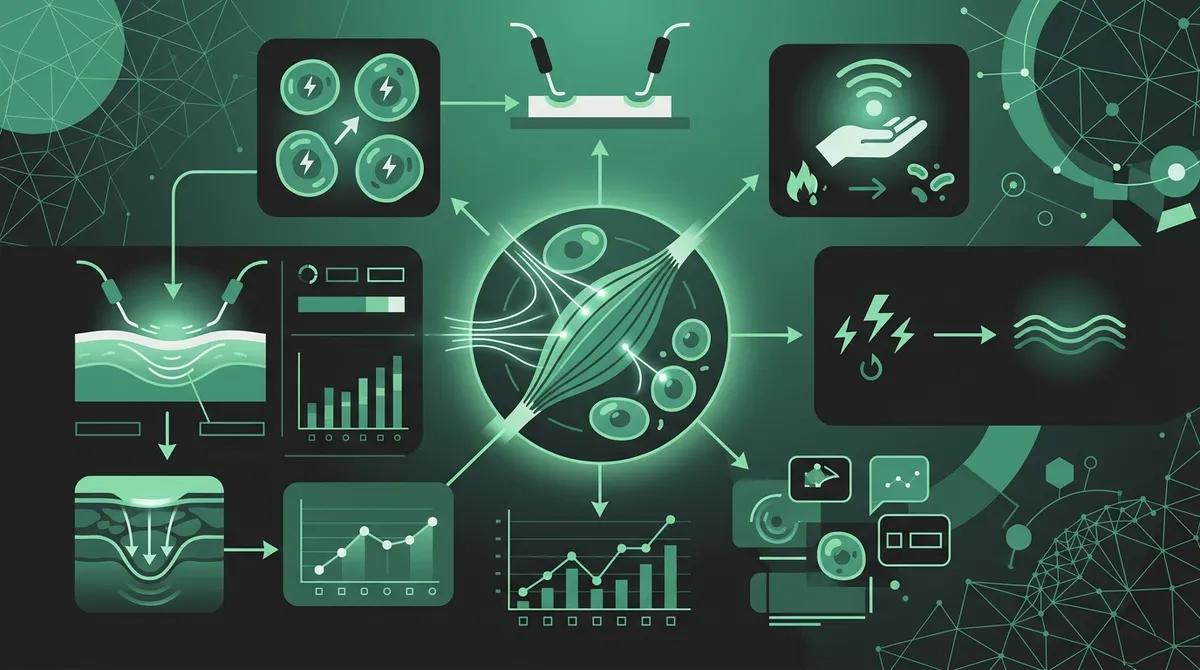
Microcurrent therapy is a form of electrotherapy that delivers extremely low-level electrical currents, typically under 1 milliampere (mA) and often below 600 microamps (µA), directly to injured or targeted tissue. Unlike traditional stimulation methods, these currents are subsensory, meaning patients generally do not feel the electrical impulse or experience any muscle twitching. Instead of overpowering nerve receptors, microcurrent therapy mimics the body’s own naturally occurring bioelectrical signals to encourage cellular-level healing.
The therapeutic premise centers on stimulating adenosine triphosphate (ATP) production within cells. ATP is the primary energy currency used for protein synthesis, waste removal, and tissue repair. Research published through the National Library of Medicine has explored how low-level electrical stimulation can influence cellular metabolism, supporting the theory behind microcurrent’s regenerative effects.
How Microcurrent Differs From TENS and EMS
Clinics that already use TENS units for pain management often ask how microcurrent compares. While TENS (Transcutaneous Electrical Nerve Stimulation) blocks pain signals through the gate control theory and EMS (Electrical Muscle Stimulation) triggers visible muscle contractions, microcurrent operates below the sensory threshold entirely. This distinction matters clinically because it allows practitioners to treat sensitive areas, acute injuries, or patients who cannot tolerate stronger electrical sensations.
| Modality | Current Intensity | Patient Sensation | Primary Mechanism |
|---|---|---|---|
| Microcurrent Therapy | Under 1 mA (often under 600 µA) | Subsensory, no tingling | ATP stimulation, cellular repair |
| TENS | 10-50 mA | Tingling or buzzing sensation | Gate control theory, pain signal blocking |
| EMS | Variable, higher intensity | Visible muscle contraction | Neuromuscular re-education |
Clinical Applications Across Specialties
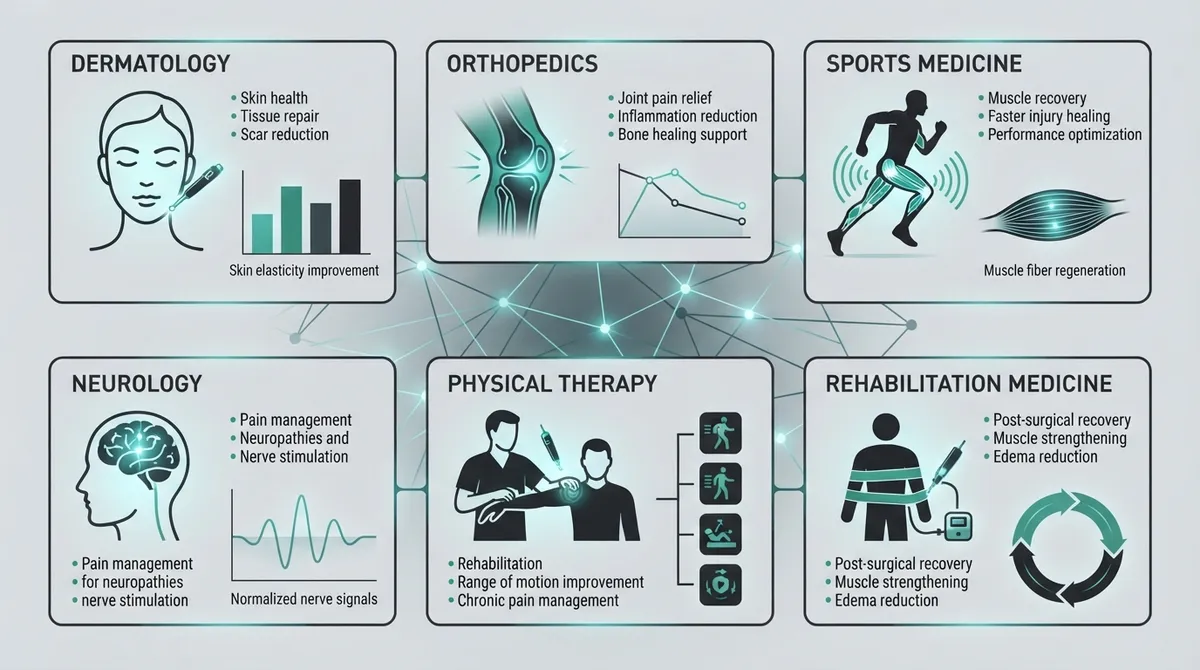
Microcurrent therapy has found applications across a wide spectrum of clinical settings, largely because it can be layered into existing treatment plans without introducing new risks or discomfort. According to information summarized by Pantheon Research, clinical microcurrent stimulators are used by physicians, chiropractors, occupational therapists, psychologists, and acupuncturists alike.
Applications for Physical Therapy Clinics
Physical therapy providers frequently incorporate microcurrent therapy into rehabilitation protocols for soft tissue injuries, tendon repair, and post-surgical recovery. Because the modality does not fatigue muscles the way EMS can, it is well suited for patients in early rehabilitation stages who need cellular support without added physical stress. Clinics interested in expanding their electrotherapy offerings can review our Physical Therapy Equipment: Electrotherapy Guide for Clinics for additional guidance on modality selection.
Applications for Chiropractic Practices
Chiropractors treating chronic back pain, fibromyalgia, or musculoskeletal complaints often pair microcurrent therapy with spinal adjustments to accelerate tissue recovery between visits. A German observational study noted that microcurrent application is certified for treating chronic back pain, skeletal system pain, fibromyalgia, migraine, and depression, with only four adverse events recorded during the trial, demonstrating a strong safety profile under real-world clinical conditions. Chiropractic practices looking to complement adjustments with at-home recovery tools may also benefit from pairing microcurrent devices with back braces for comprehensive spinal support.
Applications for Auto Accident Injury Clinics
Whiplash, soft tissue damage, and musculoskeletal trauma from motor vehicle accidents respond well to microcurrent’s gentle, non-invasive stimulation. Because many auto accident patients present with acute pain and heightened sensitivity, subsensory modalities allow clinicians to begin treatment sooner without waiting for inflammation to subside. Providers managing these cases can reference our resource on How to Use Electrotherapy for Auto Accident Treatment to understand how microcurrent fits within broader injury protocols and insurance documentation requirements.
The Science Behind ATP Production and Tissue Repair
The physiological foundation of microcurrent therapy rests on its ability to increase ATP synthesis within damaged cells. Studies have shown that injured tissue exhibits reduced electrical conductivity and lower ATP levels compared to healthy tissue. By introducing a current that closely resembles the body’s own bioelectric field, microcurrent devices appear to restore more normal cellular function, which in turn supports:
- Accelerated protein synthesis necessary for tissue regeneration
- Improved removal of metabolic waste products from injured areas
- Enhanced fibroblast activity, which supports wound and connective tissue healing
- Reduced inflammatory markers in some clinical observations
- Better circulation to targeted treatment zones
Research compiled in a peer-reviewed article on PMC investigating the therapeutic efficacy of microcurrent therapy supports these mechanisms, reinforcing why the modality is increasingly viewed as a legitimate complement to conventional rehabilitation care rather than a fringe treatment.
Frequency-Specific Microcurrent (FSM): A Targeted Approach
One of the more advanced applications of this technology is Frequency-Specific Microcurrent, commonly referred to as FSM. This technique uses precise frequency combinations to target different tissue types, such as nerve, muscle, or connective tissue, allowing clinicians to customize treatment based on the specific structures involved in a patient’s injury.
FSM has been studied for a range of conditions, including:
- Chronic myofascial pain and fibromyalgia symptoms
- Nerve-related pain following soft tissue trauma
- Post-surgical scar tissue and adhesion management
- Sports-related tendon and ligament injuries
- Neuropsychological conditions, including reported improvements in mood-related symptoms
Because FSM requires precise protocols, clinics adopting this technique typically invest in additional training to maximize therapeutic outcomes for patients presenting with complex or overlapping conditions.
Regulatory Status and Safety Considerations
Microcurrent devices are commonly FDA-cleared for general pain management and over-the-counter use; however, they are generally not FDA-approved as a primary cure for specific medical conditions. This distinction is important for clinics to communicate clearly to patients and insurance providers. The FDA has continued to expand guidance around non-opioid pain management options, and microcurrent therapy fits within this broader movement toward reducing reliance on pharmaceutical interventions.
Safety data has been favorable across multiple studies. With over 30 years of clinical use and research supporting Microcurrent Electrical Therapy (MET) in the United States, the modality has established itself as a viable first-line option for many pain patients. Because the therapy carries minimal risk of adverse interactions, it is frequently used alongside physical therapy, chiropractic adjustments, medication management, or even post-surgical recovery plans without conflicting with other treatments.
Comparing Safety Profiles
| Consideration | Microcurrent Therapy | Traditional TENS |
|---|---|---|
| Muscle Fatigue Risk | Minimal to none | Low, occasional with prolonged use |
| Patient Sensation | Subsensory, generally unnoticed | Noticeable tingling or buzzing |
| Suitable for Acute Injury | Yes, often used early in treatment | Often introduced after initial swelling subsides |
| Adverse Event Rate | Very low based on observational data | Low, well-documented safety history |
Integrating Microcurrent Therapy Into Your Practice
For clinics considering the addition of microcurrent therapy, a structured integration process helps ensure both clinical effectiveness and appropriate documentation for insurance reimbursement. Consider the following steps:
- Evaluate current patient populations to identify who would benefit most, such as chronic pain, post-surgical, or auto accident injury patients
- Select FDA-cleared devices designed specifically for microcurrent applications rather than repurposing TENS or EMS equipment
- Train clinical staff on proper electrode placement and frequency settings for targeted conditions
- Establish clear documentation protocols that align with insurance requirements, including workers’ compensation and auto accident claims
- Monitor patient outcomes systematically to refine protocols over time
Liberty Medical Solutions works directly with physical therapy clinics, chiropractic practices, and auto accident injury centers to provide customized electrotherapy solutions that align with these integration steps. Because the company works with commercial PPO/POS plans, workers’ compensation, and auto accident claims, clinics can more easily navigate the reimbursement process while expanding their treatment offerings. Explore the full range of electrotherapy products available for clinical use.
Complementary Technologies Worth Considering
Microcurrent therapy rarely operates in isolation. Many clinics pair it with other electrotherapy modalities and supportive devices to create comprehensive treatment plans. For patients dealing with spinal compression alongside soft tissue injuries, cervical traction units can address structural alignment while microcurrent supports cellular healing. Similarly, conductive garments and TheraKnit garments allow for extended, hands-free electrotherapy application, which can be particularly useful for patients managing chronic conditions at home between clinic visits.
Clinics interested in broader pain management strategies may also find value in reviewing resources on the best electrotherapy pain relief solutions for clinics, which outline how various modalities can be combined for optimal patient outcomes. The CDC has similarly emphasized the importance of diversifying non-opioid pain management strategies, a movement that continues to shape clinical decision-making in 2026.
Addressing Common Provider Concerns
Some clinicians express hesitation about microcurrent therapy due to its subsensory nature, questioning whether patients will perceive value from a treatment they cannot feel. However, outcome-based data rather than sensation should guide clinical decision-making. Documented improvements in tissue healing rates, reduced inflammation markers, and patient-reported pain reduction over time provide the evidence base needed to support continued use.
Other providers raise questions about reimbursement, particularly for auto accident injury clinics navigating complex insurance claims. Because microcurrent therapy is generally categorized under broader electrotherapy or physical medicine billing codes, proper documentation of medical necessity remains essential. Clinics working with third-party liability cases should maintain detailed treatment notes that connect microcurrent application to specific injury findings and expected recovery milestones.
Conclusion
Microcurrent therapy represents a meaningful advancement in electrotherapy, offering clinics a pain-free, evidence-supported option for accelerating tissue repair and managing chronic conditions. From physical therapy clinics rehabilitating post-surgical patients to chiropractic practices managing fibromyalgia symptoms and auto accident injury centers treating whiplash, this modality’s versatility makes it a valuable addition to nearly any electrotherapy program. As patient demand for non-invasive, drug-free pain management continues to grow, staying current with technologies like microcurrent therapy positions your practice as a forward-thinking provider committed to measurable outcomes. To learn more about integrating microcurrent and other electrotherapy solutions into your clinic, get in touch with our team at Liberty Medical Solutions today.
FAQs
Q: How does microcurrent therapy differ from TENS in clinical practice?
A: Microcurrent therapy delivers subsensory currents under 1 mA that patients typically cannot feel, targeting cellular ATP production for tissue repair. TENS, by contrast, uses higher intensity currents that produce a noticeable tingling sensation and works primarily by blocking pain signals through the nervous system rather than stimulating cellular metabolism.
Q: Is microcurrent therapy FDA-approved for treating chronic back pain or fibromyalgia?
A: Microcurrent devices are generally FDA-cleared for general pain management and over-the-counter use rather than approved as a primary cure for specific conditions like fibromyalgia. Clinical evidence and international certifications, particularly in Germany, support its use for chronic back pain and fibromyalgia, though providers should document medical necessity carefully for insurance purposes.
Q: Can microcurrent therapy be safely combined with other treatments?
A: Yes, microcurrent therapy is considered safe to use alongside physical therapy, chiropractic adjustments, and medication management, with minimal reported adverse events. Its subsensory, non-invasive nature makes it a low-risk complement to existing treatment plans rather than a replacement for established care protocols.
Q: What conditions respond best to Frequency-Specific Microcurrent (FSM)?
A: FSM has shown promise for chronic myofascial pain, fibromyalgia, nerve-related pain, and post-surgical scar tissue management by targeting specific tissue types with tailored frequency combinations. This precision allows clinicians to address nerve, muscle, or connective tissue issues more specifically than general microcurrent application.
Q: What current intensity is typically used in clinical microcurrent stimulators?
A: Clinical microcurrent stimulators generally operate below 1 milliampere, with many therapeutic protocols using intensities under 600 microamps. This ultra-low range keeps the treatment subsensory, avoiding muscle contraction while still supporting cellular repair processes.