Key Takeaways
-
H-Wave device stimulation (HWDS) demonstrates the strongest clinical evidence among electrotherapy modalities, producing clinically significant improvements in pain, function, and reduced medication reliance across diverse patient populations.
-
Electrotherapy offers a drug-free, non-addictive alternative to opioids, aligning with FDA guidance and CDC recommendations that prioritize non-opioid therapies as first-line treatment for chronic pain conditions.
-
Different electrotherapy modalities serve specific purposes: TENS for acute pain, HWDS for chronic pain with medication reduction, IFC for deep tissue injuries, and galvanic stimulation for acute inflammation control.
-
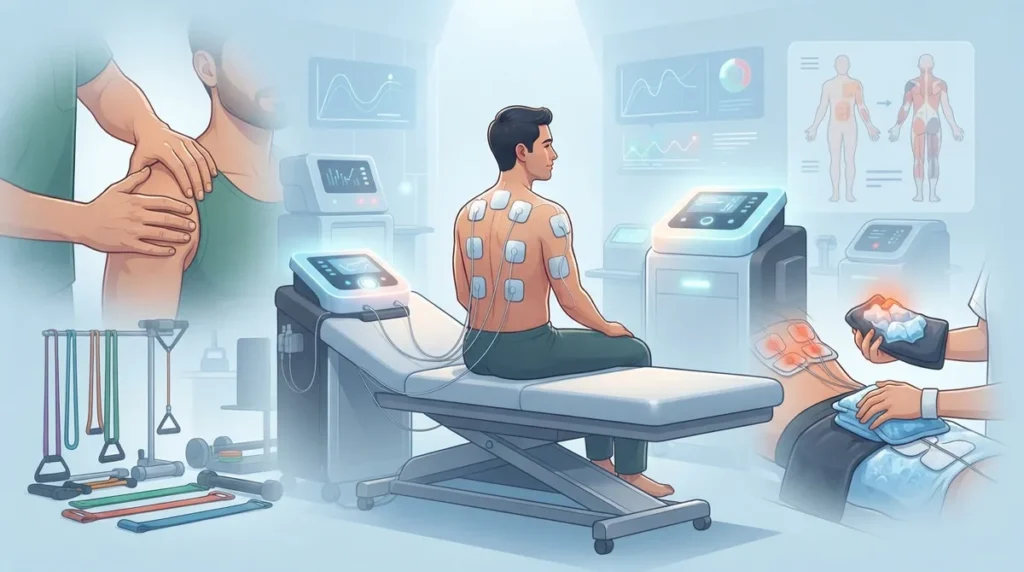
Successful electrotherapy implementation requires combining electrical stimulation with complementary treatments like manual therapy, exercise, and heat/cold therapy rather than using devices in isolation.
-
Clinics must establish thorough documentation protocols and staff training on electrode placement, contraindications, and intensity settings to ensure insurance reimbursement and minimize claim denials.
-
Auto accident injury clinics treating whiplash and soft tissue trauma should prioritize HWDS and IFC modalities, as these demonstrate stronger evidence for functional recovery and support defensible third-party liability claims.
Chronic and acute pain affect a substantial portion of the adult population, and clinicians are under growing pressure to offer effective, non-pharmacological treatment options. Recent findings from the National Institutes of Health confirm that persistent chronic pain remains widespread among U.S. adults, underscoring the need for accessible, evidence-based alternatives to opioid therapy. For physical therapy clinics, chiropractic practices, and auto accident injury clinics, electrotherapy has emerged as a cornerstone of modern pain management solutions, offering drug-free relief backed by clinical research.
This article examines seven electrotherapy-based pain management solutions that deliver measurable results for patients while supporting the operational and reimbursement needs of healthcare providers. Whether you are expanding treatment modalities in a physical therapy setting, complementing spinal adjustments in a chiropractic practice, or treating whiplash and soft tissue injuries following an auto accident, understanding these modalities will help you select the right equipment for your patient population.
Why Electrotherapy Belongs in Modern Pain Management Solutions
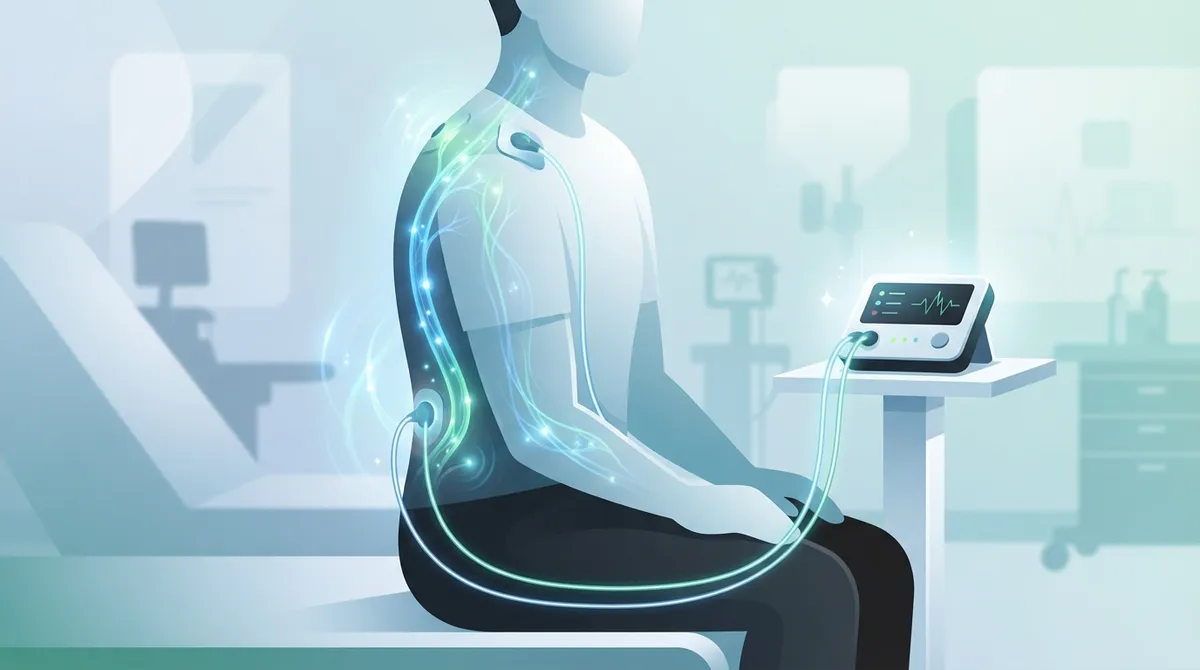
Electrotherapy works by stimulating nerve fibers with low-level electrical currents, either blocking pain signals from reaching the brain or triggering the release of natural pain-relieving chemicals called endorphins. This mechanism makes it a compelling drug-free, non-addictive alternative to traditional pharmaceutical pain relief, offering a safe option for patients seeking acute or long-term treatment without major side effects.
Given increasing scrutiny around opioid prescriptions, the FDA has issued guidance encouraging expanded access to non-opioid pain management options, while the CDC recommends non-opioid therapies as first-line treatment for many chronic pain conditions. Electrotherapy devices fit squarely within these recommendations, making them an essential offering for clinics seeking to align with current clinical best practices.
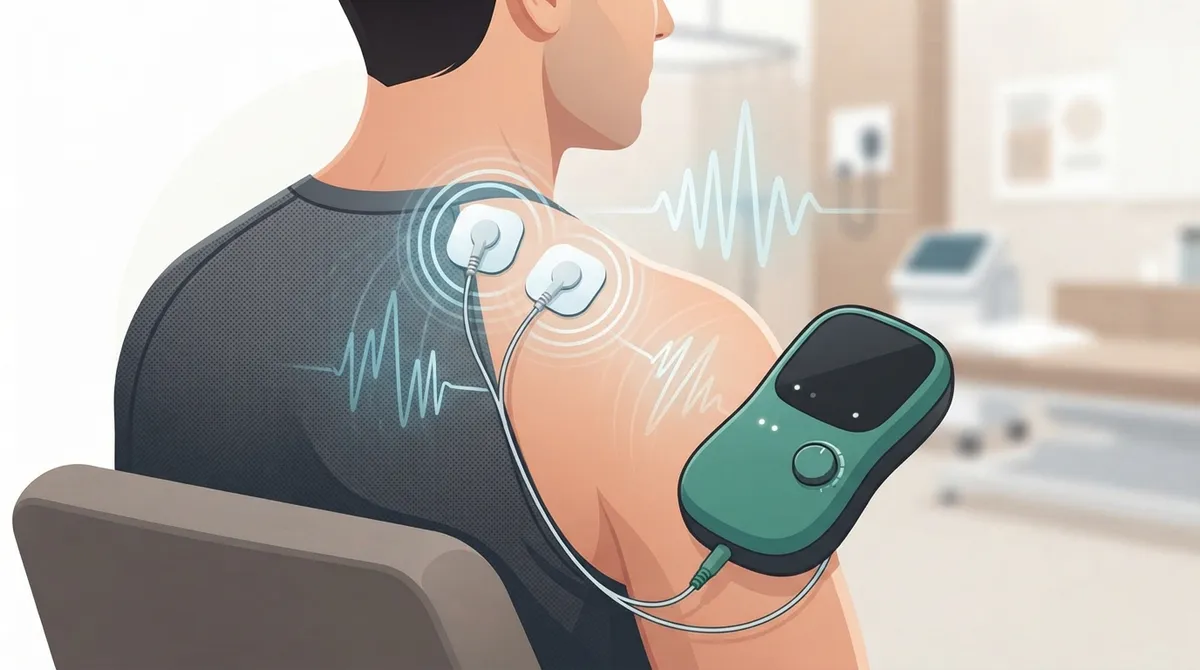
1. Transcutaneous Electrical Nerve Stimulation (TENS)
TENS remains the most widely used form of electrotherapy in clinical and home-use settings. These devices deliver low-voltage electrical currents through electrodes placed on the skin, interrupting pain signal transmission along nerve pathways. According to a 2021 systematic review published in the National Library of Medicine, TENS demonstrated insignificant or very low levels of pain and functional improvement in several controlled studies, though it remains a valuable first-line tool for acute pain episodes and patient-controlled home therapy.
For chiropractic practices, TENS units serve as an excellent at-home companion to in-office spinal adjustments, giving patients a tool to manage discomfort between visits. Clinics can review our guide on what TENS units actually do for clinical pain management to better understand appropriate patient selection criteria.
2. H-Wave Device Stimulation (HWDS)
H-Wave device stimulation has gained significant traction among providers seeking more clinically substantiated outcomes. Unlike traditional TENS, HWDS uses a distinctive waveform designed to reduce muscle spasm and edema while promoting circulation at the cellular level. Research reviewed in the National Library of Medicine found that HWDS consistently produced clinically significant improvements in pain and function, along with reduced reliance on pain medication, across diverse patient populations.
Of the 13 forms of electrical stimulation reviewed in that analysis, HWDS was associated with the most favorable combination of functional improvement, pain reduction, and medication reduction. This makes it particularly valuable for auto accident injury clinics treating patients with whiplash-associated disorders or soft tissue trauma, where reducing pain medication dependence is often a treatment priority.
3. Interferential Current Therapy (IFC)
Interferential current therapy uses two medium-frequency currents that intersect beneath the skin’s surface, producing a lower-frequency stimulation at the treatment site. This approach allows deeper tissue penetration with less skin irritation compared to standard TENS, making it well-suited for treating deeper musculoskeletal injuries common in auto accident cases. Our detailed breakdown of interferential current therapy facts for clinics outlines proper electrode placement and treatment parameters for optimal outcomes.
4. Neuromuscular Electrical Stimulation (NMES)
While primarily used for muscle re-education and strengthening, NMES also plays a supporting role in comprehensive pain management protocols by reducing disuse atrophy and improving circulation in injured tissue. Physical therapy clinics frequently incorporate NMES alongside manual therapy and therapeutic exercise to accelerate recovery timelines. Learn more about why NMES therapy belongs in every clinic for a deeper clinical rationale.
5. Percutaneous Electrical Nerve Stimulation (PENS)
PENS combines elements of acupuncture and electrical stimulation, delivering current through fine needle electrodes inserted near affected nerves. This modality is typically reserved for patients with refractory chronic pain who have not responded adequately to surface-level stimulation. While less common in general practice settings, it represents an important option within the broader spectrum of electrotherapy pain management solutions available to specialized providers.
6. Galvanic Stimulation (GS)
Galvanic stimulation uses a continuous direct current to reduce acute inflammation and swelling, making it particularly useful in the early stages of injury recovery. Auto accident injury clinics often apply galvanic stimulation during initial treatment phases before transitioning patients to TENS or HWDS protocols as swelling subsides and rehabilitation progresses.
7. Combination Therapy Protocols
Electrotherapy is rarely used in isolation. Most successful pain management solutions combine electrical stimulation with heat, cold therapy, manual techniques, or therapeutic exercise to maximize patient outcomes. This multimodal approach is consistent with recommendations from the Mayo Clinic, which emphasizes integrated care plans for chronic pain conditions.
Comparing Electrotherapy Modalities for Clinical Use
Selecting the appropriate modality depends on injury type, pain chronicity, and patient tolerance. The table below summarizes key distinctions to help providers match treatment to patient needs.
| Modality | Primary Use Case | Evidence Strength | Ideal Setting |
|---|---|---|---|
| TENS | Acute pain, home management | Limited to moderate | Chiropractic, home use |
| HWDS | Chronic pain, medication reduction | Moderate to strong | Auto accident, PT clinics |
| IFC | Deep tissue, musculoskeletal injury | Limited to moderate | PT clinics, auto injury |
| NMES | Muscle re-education, atrophy prevention | Moderate | Physical therapy |
| PENS | Refractory chronic pain | Limited | Specialized clinics |
| Galvanic Stimulation | Acute inflammation control | Limited | Auto injury, acute care |
How Electrotherapy Supports Insurance-Based Practices
Providers working with commercial PPO/POS plans, workers’ compensation, and auto accident claims need equipment and documentation practices that align with payer requirements. Understanding how PPO insurance and electrotherapy coverage works, along with the nuances of POS insurance impacts on electrotherapy coverage, allows clinics to reduce claim denials and streamline reimbursement for both in-office treatment and take-home devices.
For auto accident injury clinics specifically, treating whiplash and soft tissue trauma requires equipment that meets documentation standards for third-party liability claims. Reviewing best practices for using electrotherapy for auto accident treatment can help clinical staff build defensible treatment records that support claims processing.
Selecting the Right Device for Your Practice
Choosing among available pain management solutions requires evaluating several practical factors beyond clinical evidence alone. Consider the following criteria when equipping your clinic:
- Patient population and predominant injury types treated at your facility.
- Portability requirements for take-home versus in-clinic use.
- Insurance reimbursement pathways applicable to your patient base.
- Ease of use for patients managing devices independently at home.
- Manufacturer support, warranty terms, and device durability.
Clinics new to electrotherapy should also review our resource on what makes the best TENS machine for clinical use to establish baseline purchasing criteria before expanding into more advanced modalities like HWDS or IFC.
Common Pitfalls When Implementing Electrotherapy Programs
Many clinics encounter avoidable setbacks when introducing new electrotherapy protocols. The most frequent issues include:
- Insufficient staff training on electrode placement and intensity settings.
- Failure to document medical necessity thoroughly for insurance claims.
- Overlooking contraindications such as pacemakers, pregnancy, or active infections at treatment sites.
- Selecting devices without considering patient compliance for home-use programs.
- Neglecting to combine electrotherapy with complementary treatments like exercise or manual therapy.
Addressing these pitfalls early helps ensure that pain management solutions deliver consistent, measurable results while minimizing administrative friction.
Clinical Evidence Supporting Electrotherapy Outcomes
A growing body of peer-reviewed research supports the role of electrical stimulation in comprehensive pain care. Studies indexed on Pub Med highlight the physiological mechanisms behind electroanalgesia, while resources from the Cleveland Clinic and WebMD provide accessible patient education materials that clinics can share to improve treatment adherence and understanding.
Notably, ten of the thirteen forms of electrical stimulation reviewed in recent clinical literature demonstrated only limited-quality evidence for clinically significant pain reduction, reinforcing the importance of selecting modalities with the strongest supportive data, such as HWDS, when treating chronic or refractory pain conditions.
Building a Comprehensive Electrotherapy Program
Successful integration of pain management solutions into a clinical practice extends beyond device selection. Providers should consider pairing stimulation devices with supportive equipment such as back braces for spinal support, conductive garments for broader treatment coverage, and TheraKnit garments for patients requiring extended wear comfort during home therapy.
Liberty Medical Solutions works directly with physical therapy clinics, chiropractic practices, and auto accident injury clinics to customize electrotherapy programs that align with patient needs and insurance requirements. Our full range of electrotherapy devices and products is designed to support providers navigating commercial PPO/POS plans, workers’ compensation, and auto accident claims with minimal administrative burden.
| Practice Type | Recommended Modalities | Key Benefit |
|---|---|---|
| Chiropractic Practice | TENS, HWDS | At-home relief between adjustments |
| Physical Therapy Clinic | NMES, IFC, HWDS | Functional rehabilitation support |
| Auto Accident Injury Clinic | Galvanic Stimulation, HWDS, IFC | Documented recovery for claims |
Steps to Introduce Electrotherapy Pain Management Solutions in Your Clinic
Providers considering an expanded electrotherapy program should follow a structured implementation process to maximize both clinical and administrative success:
- Assess your current patient population and identify the most common pain presentations treated in your clinic.
- Select devices with strong supporting evidence, prioritizing modalities like HWDS for chronic pain cases.
- Train clinical staff thoroughly on electrode placement, intensity settings, and contraindications.
- Establish documentation protocols that satisfy insurance and workers’ compensation reimbursement standards.
- Monitor patient outcomes and adjust protocols based on functional improvement and pain reduction metrics.
Clinics unsure where to begin can explore our guide on how to choose the best TENS unit for your clinical practice for a structured decision-making framework.
Conclusion
Electrotherapy has firmly established itself as a foundational component of modern, evidence-based pain management solutions. From TENS and IFC to the increasingly favored HWDS modality, these technologies offer physical therapy clinics, chiropractic practices, and auto accident injury clinics a drug-free path to improved patient outcomes. As reimbursement models continue to favor non-opioid treatment options, clinics that adopt well-researched electrotherapy protocols position themselves at the forefront of patient care.
Liberty Medical Solutions has spent years helping healthcare providers across the country implement customized electrotherapy programs that align with clinical goals and insurance requirements. To discuss which devices best fit your patient population and practice needs, Contact Our Team Today for personalized guidance and product recommendations.
FAQs
Q: How does electrotherapy block pain signals from reaching the brain?
A: Electrotherapy devices deliver low-level electrical currents through electrodes placed on the skin, which stimulate sensory nerve fibers and interrupt the transmission of pain signals along nerve pathways to the brain. This process, often referred to as the gate control mechanism, also triggers the release of endorphins, the body’s natural pain-relieving chemicals.
Q: What is the difference between TENS and H-Wave devices for pain management?
A: TENS units use higher-frequency currents primarily to interrupt pain signal transmission for short-term relief, while H-Wave device stimulation uses a distinct low-frequency waveform designed to reduce muscle spasm, improve circulation, and decrease edema. Clinical research indicates HWDS produces more consistent, clinically significant improvements in pain and function compared to standard TENS therapy.
Q: Is electrotherapy effective for chronic neuropathic pain?
A: Electrotherapy modalities, particularly HWDS, have shown moderate supportive evidence for treating chronic and refractory pain conditions, including neuropathic presentations. Results vary by patient and modality, which is why providers often combine electrotherapy with other treatments for optimal outcomes.
Q: Can electrotherapy be used alongside other pain management treatments?
A: Yes, electrotherapy is most effective when integrated into a comprehensive treatment plan that includes manual therapy, therapeutic exercise, heat or cold application, and patient education. This multimodal approach is widely recommended by clinical authorities for managing both acute and chronic pain conditions.
Q: Does electrotherapy reduce the need for pain medication?
A: Clinical studies on H-Wave device stimulation have specifically documented reductions in pain medication use alongside improvements in function and pain scores. This makes electrotherapy a valuable tool for clinics seeking to support non-opioid pain management strategies for their patients.