Key Takeaways
-
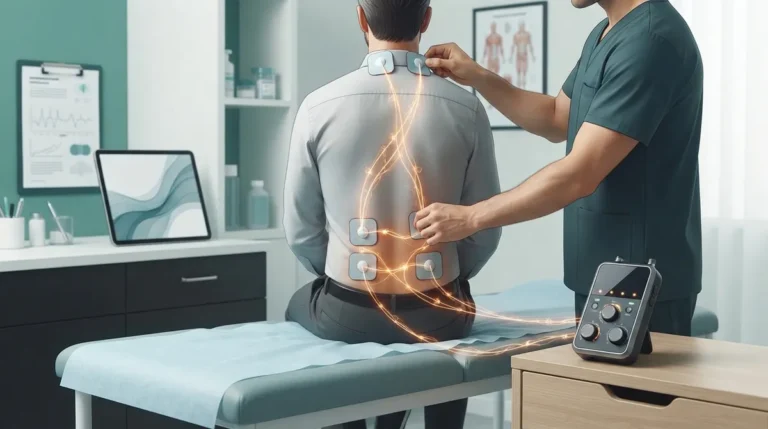
TENS, NMES, and IFC work best as adjuncts within comprehensive rehabilitation plans rather than standalone treatments; evidence shows they support pain management and muscle activation when paired with exercise and manual therapy.
-
Home-based electrotherapy programs significantly improve patient adherence by reducing scheduling constraints and transportation barriers, particularly in workers' compensation and auto accident cases where frequent clinic visits are difficult.
-
Proper clinical oversight is essential for electrotherapy prescription; providers must guide electrode placement, intensity settings, and device selection rather than allowing patients to self-select equipment without professional guidance.
-
TENS is most effective for short-term musculoskeletal pain modulation with a strong safety profile, while NMES excels at muscle re-education post-surgery or after immobilization, and IFC penetrates tissue more deeply but lacks strong evidence versus active treatments.
-
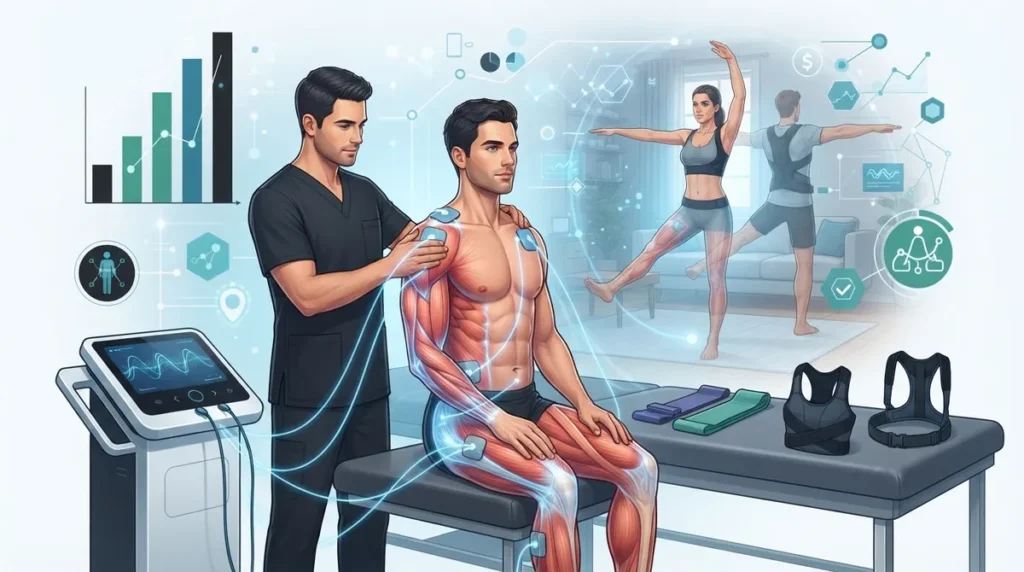
Layered home programs combining electrotherapy, progressive exercise, postural support, and conductive garments produce better outcomes than single-modality approaches, especially for complex injuries like whiplash.
-
Proper documentation of clinical rationale for electrotherapy alternatives strengthens reimbursement approval across PPO, workers' compensation, and auto accident liability claims while ensuring safe use through patient education on contraindications.
Patients increasingly ask clinicians about options beyond weekly in-person sessions, especially when scheduling constraints, transportation barriers, or insurance limitations restrict access to traditional care. For physical therapy clinics, chiropractic practices, and auto accident injury centers, understanding evidence-based physical therapy alternatives is essential to building rehabilitation plans that keep patients engaged between visits and support measurable outcomes. The National Institutes of Health has documented persistently high rates of chronic pain among U.S. adults, underscoring why providers need a broader toolkit than manual therapy and exercise alone.
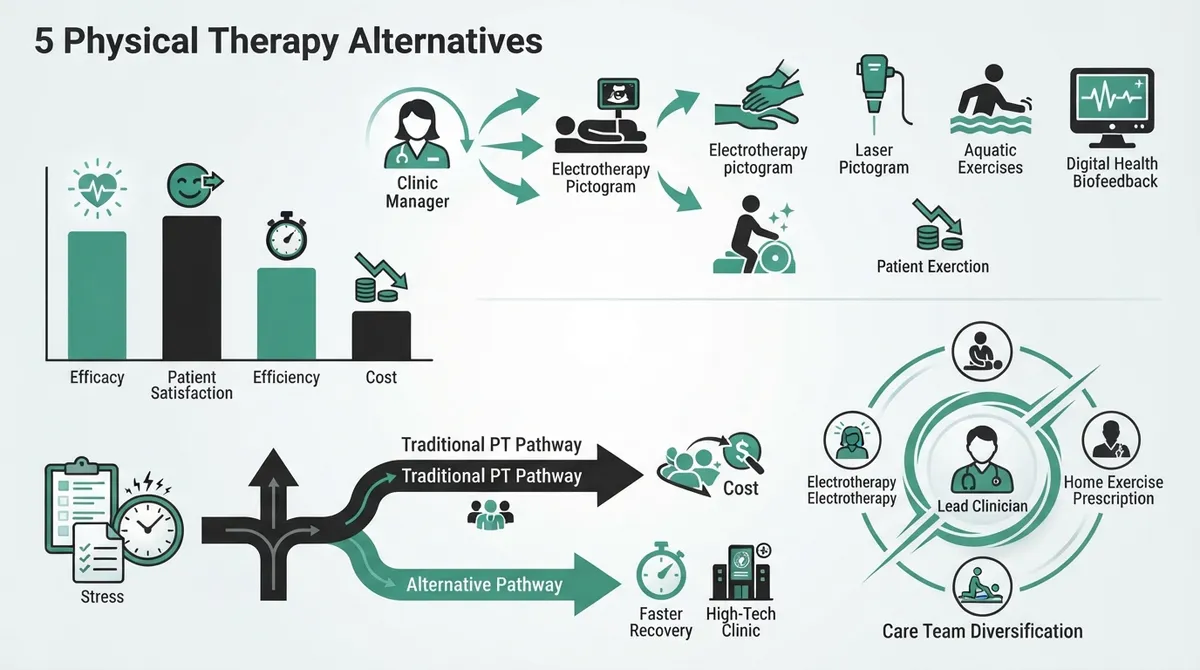
Electrotherapy modalities—including TENS, neuromuscular electrical stimulation (NMES), and interferential current (IFC)—have emerged as clinically supported adjuncts that can supplement, and in some cases partially reduce reliance on, frequent in-clinic therapy sessions. This article examines five categories of physical therapy alternatives, reviews the supporting research, and explains how providers can integrate these tools responsibly. Whether you operate a physical therapy clinic, a chiropractic office, or an auto injury practice managing whiplash and soft-tissue claims, this guide offers practical, research-backed direction for expanding your treatment offerings.
Why Providers Are Exploring Physical Therapy Alternatives
Patient adherence drops significantly when treatment requires frequent travel or time away from work, particularly in workers’ compensation and auto accident cases where recovery timelines are already scrutinized by adjusters. Offering home-based or clinic-supplementary options helps close the gap between scheduled visits without abandoning the structured, professionally guided care that produces the best long-term results.
According to a Pub Med-indexed review, evidence for electrotherapy varies substantially depending on condition, electrode placement, and treatment parameters, which is why clinical oversight remains critical even when devices are used at home. Providers who understand this nuance are better positioned to prescribe appropriate modalities rather than leaving patients to self-select equipment without guidance.
Common Physical Therapy Alternatives Worth Considering
- Transcutaneous electrical nerve stimulation (TENS) for short-term pain modulation
- Neuromuscular electrical stimulation (NMES/EMS) for muscle re-education and activation
- Interferential current (IFC) therapy for pain relief and circulation support
- Therapeutic exercise and home mobility programs
- Heat, cold, manual therapy, and complementary approaches such as massage or acupuncture
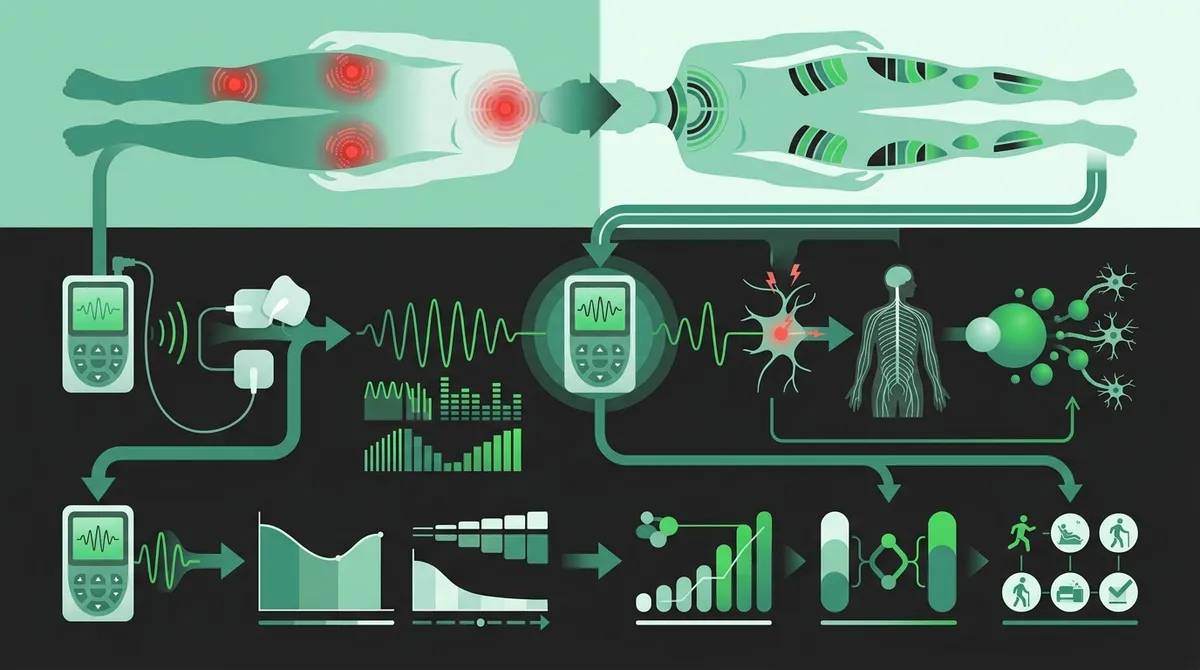
1. TENS Therapy for Pain Modulation Between Visits
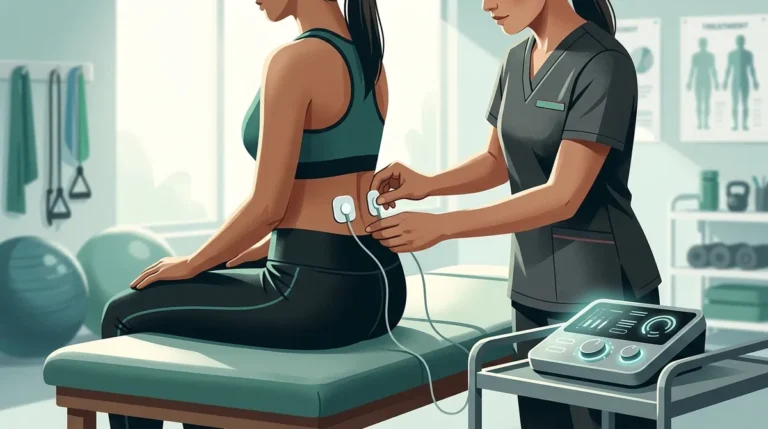
TENS remains the most widely recognized physical therapy alternative for patients managing chronic or post-injury pain. The device delivers low-voltage electrical pulses through surface electrodes, interrupting pain signal transmission and offering temporary relief. The Cleveland Clinic notes that TENS is best used as a complement to a broader pain-management plan rather than a standalone cure, a distinction that matters greatly for chiropractors and physical therapists structuring long-term care.
A 2020 systematic review and meta-analysis in BMJ Open examined 381 studies on TENS for acute and chronic pain and found no serious adverse events across the analyzed evidence, though effectiveness varied by condition and study quality. This safety profile makes TENS an attractive option for home prescription, particularly when paired with proper patient education on electrode placement and intensity settings. Clinics evaluating devices for their practice can review What Makes the Best TENS Machine for Clinical Use? to understand the features that distinguish clinical-grade units from consumer alternatives.
What the Evidence Says About TENS Effectiveness
A 2019 Cochrane overview reviewed eight systematic reviews covering 51 randomized controlled trials and 2,895 participants, concluding that evidence quality was too low to confidently determine whether TENS improves chronic pain, disability, or quality of life. However, a 2021 appraisal of 169 reviews reported lower pain intensity during TENS use for chronic musculoskeletal pain and labor pain specifically, suggesting condition-specific benefit even where broader conclusions remain limited.
More recently, a 2024 systematic review published in Frontiers in Pain Research found moderate evidence that TENS performed similarly to control interventions for pain and disability in chronic low-back pain, while EMS showed limited evidence of superiority over passive controls for pain outcomes. These findings reinforce that TENS should be positioned as an adjunct within a comprehensive rehabilitation plan rather than a replacement for progressive exercise or manual therapy.
2. NMES and EMS for Muscle Re-Education
Neuromuscular electrical stimulation activates motor nerves to produce muscle contractions, making it valuable for patients recovering from surgery, injury, or periods of immobilization where voluntary muscle activation is difficult. This modality supports strength maintenance, circulation, and muscle re-education, particularly in auto accident cases involving soft-tissue damage or post-surgical rehabilitation.
Clinics integrating NMES into treatment protocols should ensure proper programming and clinical guidance, since incorrect intensity or electrode placement can reduce effectiveness or cause discomfort. Providers can explore Why Does NMES Therapy Belong in Every Clinic? for a deeper look at integration strategies, or review 14 Facts Clinics Must Know About Electrical Muscle Stimulation for clinical parameters.
When NMES Supports Recovery Goals
- Following orthopedic surgery when voluntary contraction is limited
- During workers’ compensation recovery to maintain muscle tone while activity is restricted
- For patients with neurological conditions affecting motor control
- As a complement to progressive resistance training once cleared for exercise
3. Interferential Current Therapy for Pain and Circulation
Interferential current therapy uses intersecting medium-frequency currents designed to penetrate tissue more deeply than standard TENS while remaining comfortable for patients. IFC is often marketed for both pain relief and muscle stimulation, and evidence suggests it may outperform passive controls for certain pain and disability outcomes.
However, the 2024 Frontiers in Pain Research review noted that evidence remains limited when IFC is compared against active treatments such as structured exercise or manual therapy. This means IFC works best as part of a layered treatment approach rather than an isolated intervention. Chiropractic practices interested in expanding their modality offerings can review 15 Facts on Interferential Current Therapy for Clinics (2026) for detailed clinical guidance.
| Modality | Primary Use | Evidence Strength | Best Paired With |
|---|---|---|---|
| TENS | Short-term pain modulation | Moderate for musculoskeletal pain | Exercise, manual therapy |
| NMES/EMS | Muscle activation and re-education | Limited but favorable vs. passive controls | Progressive strength training |
| IFC | Pain relief and circulation | Limited vs. active controls | Structured rehabilitation programs |
| Heat/Cold Therapy | Acute symptom management | Well-established for short-term relief | Electrotherapy, stretching |
| Manual Therapy | Mobility and joint function | Strong for specific conditions | Home exercise programs |
4. Home-Based Therapeutic Exercise and Mobility Programs
Structured home exercise remains one of the most evidence-supported physical therapy alternatives, particularly when paired with electrotherapy for pain control that allows patients to engage in movement they might otherwise avoid. The CDC specifically recommends non-opioid therapies, including exercise and electrical stimulation, as first-line approaches for managing chronic pain conditions.
Clinics should consider whether electrotherapy is used before or after exercise sessions depending on patient goals. TENS applied before activity may reduce pain enough to allow fuller range of motion, while post-exercise application can address delayed-onset soreness. Providers can review How Does Electrotherapy Work for Muscle Soreness Treatment? for protocol recommendations that integrate both approaches.
Building a Layered Home Program
Effective home programs combine multiple physical therapy alternatives rather than relying on a single modality. A well-structured plan typically includes:
- Prescribed electrotherapy sessions for pain management using devices such as those detailed in Devices
- Progressive mobility and strengthening exercises tailored to the patient’s condition
- Postural support tools, including Back Braces for spinal alignment during recovery
- Conductive garments for consistent, hands-free electrode placement, such as Conductive Garments or TheraKnit Garments
5. Manual Therapy, Massage, and Complementary Approaches
Manual therapy, massage, and acupuncture continue to serve as valuable comparators and components of comprehensive care, particularly for chiropractic practices already skilled in hands-on techniques. These approaches address mobility restrictions and soft-tissue restrictions that electrotherapy alone cannot resolve, making them natural complements rather than competitors to electrical stimulation.
The WebMD overview of TENS for back pain emphasizes that combining modalities—rather than choosing one exclusively—tends to produce better patient satisfaction and functional outcomes. This is particularly relevant for auto accident injury clinics treating whiplash, where soft-tissue damage often requires both manual intervention and electrical stimulation to manage pain during the healing process.
Cervical Traction as a Targeted Alternative
For patients with neck injuries common in auto accident claims, cervical traction units offer a targeted physical therapy alternative that decompresses spinal structures and reduces nerve impingement symptoms. Clinics can review How to Select Cervical Traction Equipment That Delivers Results to identify units suited to whiplash and cervical radiculopathy cases frequently seen in auto injury practices.
Safety Considerations for Electrotherapy-Based Alternatives
While electrotherapy devices are generally well tolerated, providers must screen patients carefully before prescribing home use. The FDA has issued guidance supporting expanded non-opioid options for chronic pain, including electrical stimulation devices, while also emphasizing the importance of appropriate use protocols.
Common contraindications and precautions include:
- Avoiding placement across the chest, anterior neck, carotid sinus, eyes, or head
- Not applying electrodes to broken or infected skin
- Extra caution for patients with implanted electronic devices, pregnancy, epilepsy, or reduced sensation
- Monitoring for skin redness, itching, burning, or adhesive sensitivity, which are the most commonly reported side effects
- Discontinuing use and seeking professional evaluation if patients experience dizziness, palpitations, unexpected muscle contractions, or neurological symptoms
A National Library of Medicine clinical review confirms that serious adverse events are rarely reported when devices are used appropriately, reinforcing that proper patient education is the primary safeguard against complications.
Integrating Alternatives Into Insurance-Covered Care
For clinics working with commercial PPO/POS plans, workers’ compensation, and auto accident claims, documenting the clinical rationale for electrotherapy alternatives strengthens both patient outcomes and reimbursement approval. Liberty Medical Solutions works directly with providers to navigate these insurance pathways, ensuring that TENS units, NMES devices, and related equipment are properly coded and justified within treatment plans. Providers can review PPO Insurance and Electrotherapy Coverage: What Providers Need to Know for guidance on structuring claims.
Auto accident injury clinics in particular benefit from understanding how third-party liability claims interact with electrotherapy prescriptions, since documentation requirements often differ from standard commercial insurance. The resource 15 Facts on Third Party Liability Claims for Clinics outlines practical steps for aligning treatment plans with claim requirements.
Choosing the Right Alternative for Your Patient Population
Not every physical therapy alternative suits every patient. Chiropractic practices treating acute mechanical pain may prioritize TENS for immediate relief following adjustments, while physical therapy clinics managing post-surgical rehabilitation may lean more heavily on NMES for muscle re-activation. Auto accident clinics often require a combination approach, layering cervical traction, TENS, and conductive garments to address the multifaceted nature of whiplash and soft-tissue injuries.
Providers evaluating equipment options should consult resources such as How to Choose the Best TENS Unit for Your Clinical Practice to match device features with patient needs. Mayo Clinic’s Mayo Clinic patient education materials also offer helpful language for explaining these options during consultations.
Moving Forward With Evidence-Based Alternatives
Physical therapy alternatives are not designed to replace professional rehabilitation entirely, but they offer meaningful support for patients navigating scheduling barriers, insurance limitations, or the need for consistent pain management between clinic visits. TENS, NMES, IFC, and complementary approaches each carry distinct evidence profiles, and understanding these distinctions allows providers to build defensible, effective treatment plans.
Liberty Medical Solutions has spent years helping physical therapy clinics, chiropractic practices, and auto accident injury centers select and implement electrotherapy solutions that align with clinical goals and insurance requirements. If your practice is ready to expand its treatment offerings with clinically supported devices, reach out to our team today to discuss customized electrotherapy solutions for your patient population.
FAQs
Q: What are the best alternatives to in-person physical therapy for pain relief?
A: Evidence-supported alternatives include TENS for short-term pain modulation, NMES/EMS for muscle activation, interferential current therapy, home-based exercise programs, and cervical traction for neck-related conditions. These modalities work best as part of a coordinated plan rather than a full replacement for professional rehabilitation.
Q: Can a TENS unit replace physical therapy?
A: No. TENS is primarily symptom-focused and reduces pain perception rather than correcting the underlying cause of injury. It functions best as an adjunct to a broader rehabilitation plan that includes exercise, mobility work, and professional guidance.
Q: What is the difference between TENS, EMS, NMES, and IFC?
A: TENS targets pain signal transmission using low-voltage pulses, while NMES and EMS activate motor nerves to produce muscle contractions for strength and re-education purposes. IFC uses intersecting medium-frequency currents intended to penetrate tissue more deeply for pain relief and muscle stimulation.
Q: Are home electrotherapy devices safe to use every day?
A: When used according to manufacturer instructions with proper electrode placement and intensity settings, home electrotherapy devices are generally well tolerated. Patients should watch for skin irritation, adhesive sensitivity, or unusual symptoms and consult their provider if problems persist.
Q: Who should not use a TENS or EMS device?
A: Individuals with implanted electronic devices, active malignancy, epilepsy, deep-vein thrombosis, or reduced skin sensation should seek professional guidance before use. Electrodes should never be placed across the chest, anterior neck, carotid sinus, eyes, or broken and infected skin.