Key Takeaways
-
TENS units stimulate sensory nerve fibers to interrupt pain signals and activate the body's natural pain-inhibiting pathways, providing measurable short-term pain reduction with a standardized mean difference of -0.96 compared to placebo according to meta-analysis of 24,532 participants.
-
Clinical evidence shows 53.8% of active TENS users achieved at least a 2-point pain reduction on a 0-10 scale versus only 11.5% with placebo, making it most effective for acute musculoskeletal and postoperative pain rather than chronic conditions.
-
TENS devices offer adjustable settings for stimulation intensity, pulse frequency, pulse duration, and treatment time, allowing providers to customize protocols for different diagnoses from acute whiplash to chronic osteoarthritis pain.
-
Proper electrode placement is critical for safety and efficacy; electrodes must never be placed over broken skin, the neck, head, or chest, and patients with pacemakers, epilepsy, or impaired sensation require clinical consultation before use.
-
TENS functions best as an adjunct to rehabilitation, manual therapy, and exercise—not as a standalone cure—and clinics should set realistic patient expectations by communicating it provides temporary relief rather than treating underlying injuries.
-
Evidence quality varies by condition, with stronger support for musculoskeletal pain but inconclusive results for chronic pain; a 2019 Cochrane review of 51 studies found evidence too uncertain to confidently recommend TENS for chronic pain management.
Physical therapists, chiropractors, and auto accident injury clinics field a version of the same question nearly every day: what exactly does a TENS unit do, and is it worth recommending to patients? With more clinics integrating electrotherapy into their treatment plans, understanding the precise mechanisms behind transcutaneous electrical nerve stimulation has become essential for clinical decision-making, patient education, and insurance documentation. This article breaks down the science, the clinical applications, and the practical considerations that matter most to providers evaluating electrotherapy solutions for their practice.
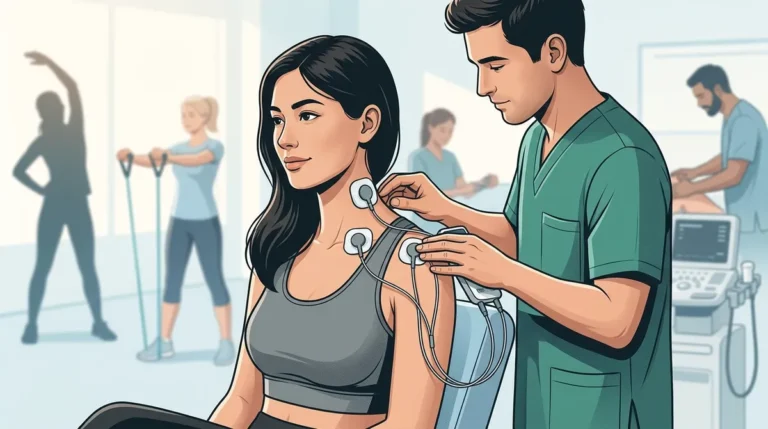
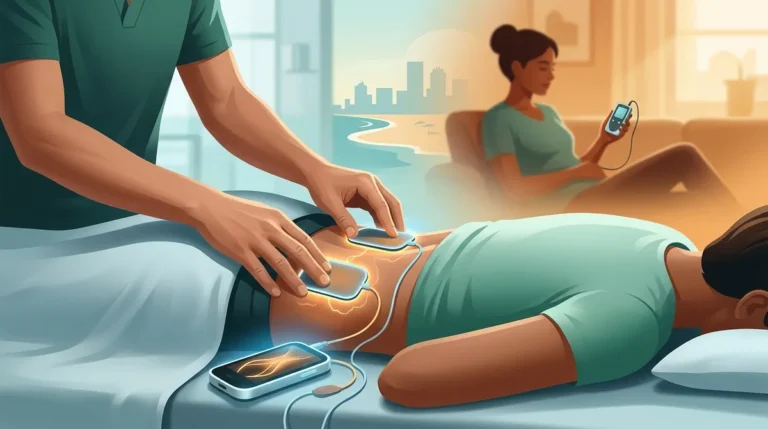
TENS stands for transcutaneous electrical nerve stimulation, and the units are noninvasive electrotherapy devices that deliver low-voltage, pulsed electrical currents through adhesive electrodes placed on the skin. For clinics treating musculoskeletal pain, whiplash, post-surgical discomfort, or chronic conditions, TENS has become a valuable adjunct to hands-on care, rehabilitation exercises, and medication management. Below, we outline six specific functions of a TENS unit that every provider should understand before recommending or dispensing one.
1. TENS Stimulates Sensory Nerve Fibers to Interrupt Pain Signaling
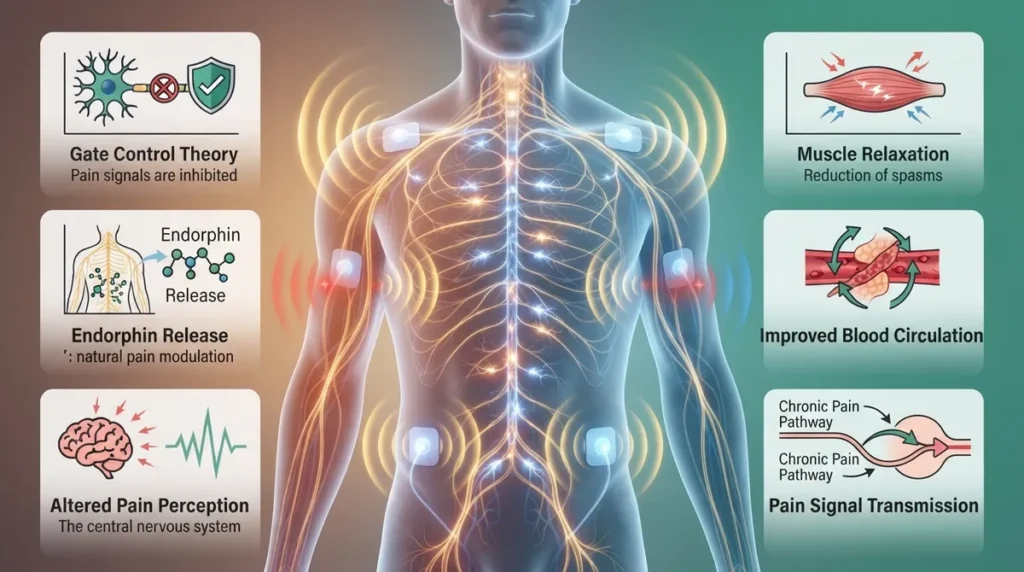
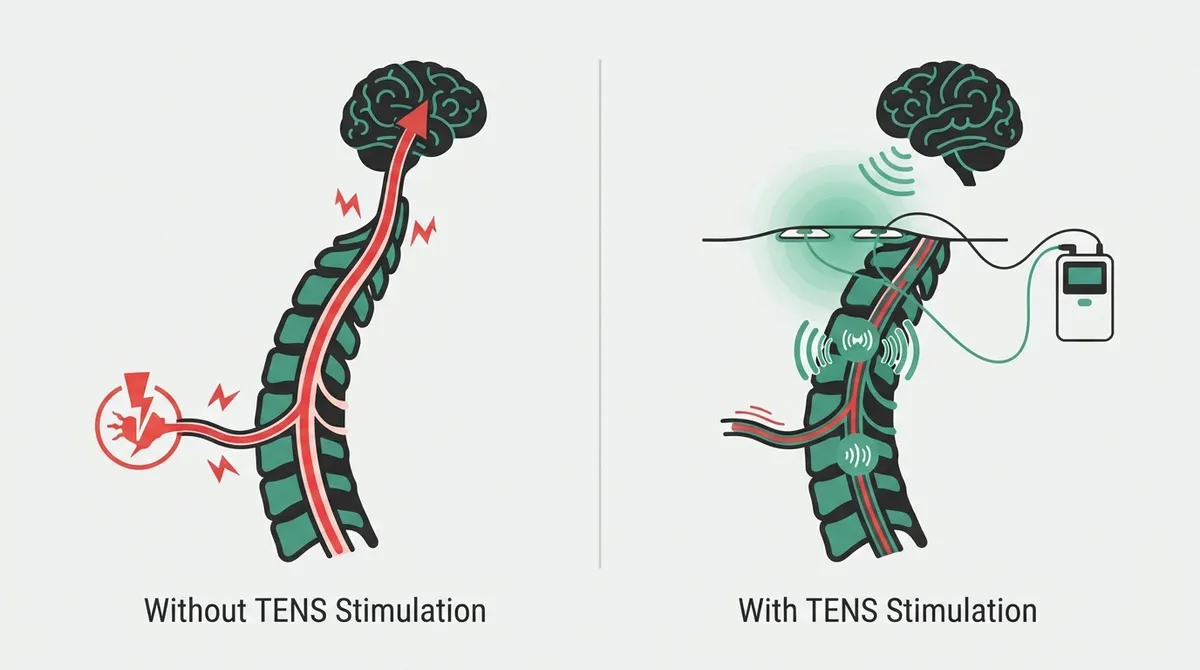
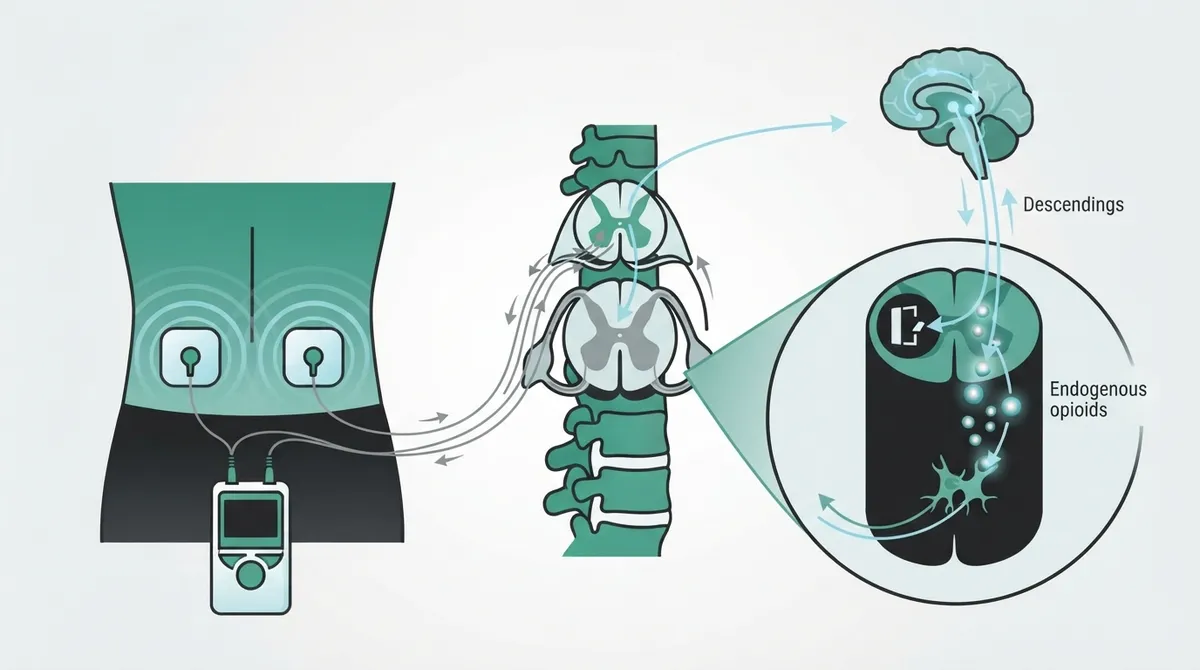
At its core, a TENS unit works by activating sensory nerve fibers beneath the skin’s surface. When electrodes are placed near a painful area, the device sends controlled electrical pulses that stimulate these nerves, which can reduce the transmission of pain signals traveling to the brain. This is often explained through the gate control theory of pain, which suggests that stimulating large-diameter sensory fibers can effectively “close the gate” on pain signals carried by smaller fibers.
For chiropractic practices and physical therapy clinics, this mechanism is particularly relevant for patients experiencing acute musculoskeletal pain following an adjustment or manual therapy session. The National Library of Medicine notes that this sensory stimulation approach forms the foundational science behind most clinical TENS applications today.
2. TENS Activates the Body’s Own Pain-Inhibiting Pathways
Beyond local nerve stimulation, TENS is believed to engage descending inhibitory pathways in the central nervous system, including structures such as the periaqueductal gray and rostral ventromedial medulla. These regions play a role in the body’s natural pain-control systems, and stimulating them may amplify the analgesic effect beyond what local nerve blocking alone would achieve.
This dual mechanism—peripheral nerve stimulation combined with central inhibitory activation—helps explain why TENS can provide relief that outlasts the treatment session itself in some patients. Clinics using TENS devices as part of a broader rehabilitation protocol often find this extended relief window useful for patients transitioning between in-office visits and home exercise programs.
3. TENS Delivers Measurable Short-Term Pain Reduction, According to Clinical Data
Providers evaluating electrotherapy solutions need evidence, not just theory. A 2022 systematic review and meta-analysis known as the Meta-TENS study, published in BMJ Open, analyzed 381 randomized controlled trials involving 24,532 participants. The findings showed that pain intensity during or immediately after TENS use was significantly lower compared to placebo TENS, based on data from 91 trials involving 4,841 participants, with a standardized mean difference of -0.96, rated as moderate-certainty evidence.
A separate 2022 review referenced on Pub Med found that active TENS produced at least a two-point reduction on a 0-to-10 pain scale in 53.8% of cases, compared to only 11.5% with placebo TENS. These numbers give clinics concrete data to share with patients who want to understand what results they might realistically expect.
Evidence Snapshot: What the Research Shows
| Study or Review | Sample Size | Key Finding |
|---|---|---|
| Meta-TENS Study (2022) | 24,532 participants, 381 trials | Standardized mean difference of -0.96 favoring active TENS over placebo |
| State of Evidence Review (2022) | Multiple pooled trials | 53.8% of active TENS users achieved a 2-point pain reduction vs. 11.5% placebo |
| Cochrane Overview (2019) | 2,895 participants, 51 studies | Evidence deemed too uncertain to confirm benefit for chronic pain |
| Neuropathic Pain Pooled Analysis | 207 participants, 5 studies | Mean difference of -1.58 on 0-10 scale, but very low certainty evidence |
This mixed but generally favorable evidence base supports why many chiropractic and physical therapy clinics position TENS as a complementary tool rather than a standalone cure. An appraisal of 169 systematic reviews found 69 reviews favoring possible benefit, 13 showing no benefit, and 87 remaining inconclusive—underscoring that results vary substantially by condition, electrode placement, and individual patient factors.
4. TENS Offers Adjustable Settings for Personalized Treatment
One of the most clinically useful aspects of modern TENS devices is their adjustability. Providers and patients can typically control:
- Stimulation intensity, allowing the sensation to be strong and noticeable without becoming painful
- Pulse frequency, which can be modified depending on whether acute or chronic pain is being addressed
- Pulse duration, affecting how the current is delivered across each cycle
- Total treatment time, which clinics can tailor to session length or home-use protocols
This flexibility is a major reason chiropractic practices across the country—from established clinics featured in guides like TENS Units for Chiropractors in Fort Collins to newer adopters researching why LA chiropractors rely on TENS units for pain relief—continue to integrate these devices into daily patient care. Adjustability also allows providers to customize protocols for different diagnoses, from acute whiplash to chronic osteoarthritis pain.
5. TENS Supports a Range of Clinical Conditions, With Varying Effectiveness
TENS units are used across a wide spectrum of pain presentations. Clinics commonly apply electrotherapy for:
- Musculoskeletal pain following spinal adjustments or soft tissue injury
- Postoperative pain management as part of a broader recovery plan
- Osteoarthritis-related joint pain, particularly in the knees and hands
- Neuropathic pain, though evidence here remains limited and inconsistent
- Labor pain, where TENS has seen consistent use in obstetric settings
- Whiplash and soft tissue trauma common in auto accident injury cases
For auto accident injury clinics, this versatility is particularly valuable. Patients recovering from motor vehicle collisions often present with a combination of muscle spasm, joint stiffness, and nerve-related discomfort, and TENS can be layered alongside manual therapy, back braces, or conductive garments to address multiple pain sources simultaneously. Clinics working through electrotherapy protocols for auto accident treatment often find that combining modalities improves overall patient satisfaction and reported outcomes.
That said, effectiveness is not universal. A 2019 Cochrane overview assessing 51 studies and 2,895 participants concluded that evidence remains too uncertain to confidently determine whether TENS relieves chronic pain compared to sham treatment or usual care. This underscores the importance of setting realistic patient expectations and using TENS as one component of a comprehensive treatment plan rather than a guaranteed solution.
6. TENS Requires Careful Electrode Placement and Safety Awareness
While TENS is generally considered low risk when used correctly, proper technique matters. Electrodes should never be placed over broken, infected, or numb skin, the front or side of the neck, the head, or across the chest. Patients with implanted electronic devices such as pacemakers or defibrillators should consult a clinician before use, and those who are pregnant, have epilepsy, or experience impaired sensation may require additional professional guidance.
Clinics dispensing home-use units should provide clear instructions to reduce the risk of skin irritation or discomfort. For a deeper look at proper technique, our guide on TENS unit pad placement for clinical results offers actionable steps for maximizing both safety and efficacy. Providers can also reference Cleveland Clinic for additional patient-facing safety information.
How TENS Fits Into a Broader Electrotherapy Treatment Plan
It is important for providers to communicate that TENS is designed for temporary pain relief, not the direct treatment or cure of an underlying injury or disease. It functions best as an adjunct to rehabilitation, medication management, targeted exercise, or chiropractic adjustment—not as a replacement for proper diagnosis and clinical care.
With growing interest in non-opioid pain management strategies, the CDC has highlighted electrotherapy and similar modalities as viable components of comprehensive pain care. Similarly, the FDA has issued guidance supporting expanded non-opioid treatment options, reinforcing the clinical relevance of devices like TENS units in modern pain management protocols. Given that the National Institutes of Health has reported persistently high rates of chronic pain among U.S. adults, tools that offer even modest, evidence-supported relief carry real clinical value.
Why Providers Choose Liberty Medical Solutions for Electrotherapy Equipment
Chiropractic practices, physical therapy clinics, and auto accident injury providers need more than just equipment—they need a partner who understands insurance workflows, patient education, and device selection. Liberty Medical Solutions has built a reputation for supporting clinics with customized electrotherapy devices, from back braces to TheraKnit garments, while working directly with commercial PPO/POS plans, workers’ compensation, and auto accident claims to streamline patient access.
For clinics evaluating what unit best fits their patient population, resources such as How to Choose the Best TENS Unit for Your Clinical Practice and What Makes the Best TENS Machine for Clinical Use? provide practical, provider-focused guidance. Practices exploring insurance-related questions may also benefit from reviewing PPO Insurance and Electrotherapy Coverage: What Providers Need to Know.
Key Takeaways for Clinical Decision-Making
Understanding what a TENS unit does—and does not do—allows providers to set appropriate expectations and integrate the technology effectively. The evidence shows meaningful short-term pain reduction for many patients, particularly for musculoskeletal and postoperative pain, while results for chronic and neuropathic pain remain more variable. Clinics that pair TENS with proper patient education, correct electrode placement, and realistic goal-setting tend to see the strongest outcomes and highest patient satisfaction.
As electrotherapy continues to gain traction across chiropractic, physical therapy, and auto injury settings, staying informed on device selection and clinical application remains essential. Additional external perspective is available through WebMD and Mayo Clinic, both of which offer patient-friendly explanations that clinics can share during consultations.
Bringing Electrotherapy Into Your Practice
TENS units offer a well-documented, noninvasive option for temporary pain relief across a range of clinical settings, from chiropractic recovery to post-accident rehabilitation. By understanding the underlying mechanisms, supporting evidence, and proper application techniques, providers can confidently integrate this technology into their treatment offerings. If your clinic is ready to explore customized electrotherapy solutions, including devices tailored to insurance requirements and patient needs, Contact Our Team to discuss the right options for your practice.
FAQs
Q: How does a TENS unit relieve pain?
A: A TENS unit delivers low-voltage electrical pulses through skin electrodes that stimulate sensory nerve fibers, which may reduce pain signal transmission and activate the body’s natural inhibitory pain pathways in the spinal cord and brain. This combination of peripheral and central effects can produce measurable short-term pain reduction for many patients.
Q: Where should TENS electrodes be placed?
A: Electrodes are typically placed on or near the painful area, avoiding broken, infected, or numb skin, the front or side of the neck, the head, and the chest. Proper placement is critical for both safety and effectiveness, and clinics should provide patients with clear, condition-specific guidance.
Q: How long should you use a TENS unit for each session?
A: Session length varies depending on the condition being treated and device settings, but most clinical protocols range from 15 to 30 minutes per session. Providers should adjust intensity, frequency, and duration based on patient tolerance and treatment goals.
Q: Can TENS units help with nerve pain, arthritis, back pain, or muscle pain?
A: TENS has been used for a variety of conditions, including musculoskeletal pain, osteoarthritis, and neuropathic pain, though effectiveness varies significantly by condition and individual. Evidence is strongest for short-term musculoskeletal and postoperative pain relief, while results for chronic neuropathic pain remain less consistent.
Q: Is TENS safe to use every day?
A: TENS is generally considered low risk for daily use when following device instructions and proper electrode placement, though some patients may experience skin irritation or discomfort. Individuals with pacemakers, epilepsy, or impaired sensation should consult a clinician before establishing a daily routine.