Key Takeaways
-
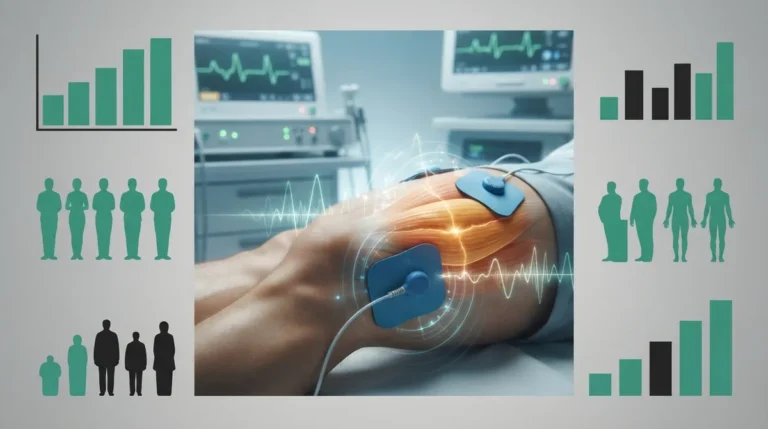
NMES and FES show reasonable effectiveness for spinal rehabilitation when paired with active exercise protocols; NMES addresses muscle activation and atrophy while FES coordinates stimulation with functional tasks like gait training to restore movement patterns.
-
Electrotherapy devices function as adjuncts, not standalone treatments; strongest clinical outcomes occur when combined with structured task practice, therapeutic exercise, or intensive rehabilitation rather than device use alone.
-
FDA authorization confirms safety and permitted indication but does not guarantee superiority over conventional therapy or long-term neurological recovery; clinics must review device-specific labeling and regulatory documentation before clinical integration.
-
Proper electrode selection and placement directly influences treatment efficacy; clinicians must match electrode size, material, and placement to targeted spinal region, patient skin condition, and treatment goal while considering impaired sensation.
-
Insurance reimbursement distinctions affect equipment selection; CMS coverage differs based on clinical purpose (e.g., training spinal cord injury patients to walk versus reversing muscle atrophy), making payer alignment critical for practice sustainability.
-
Common contraindications include active implanted electronic devices, epilepsy, pregnancy, impaired sensation, and compromised skin; clinics must screen each patient and monitor for spinal cord injury-specific complications like autonomic dysreflexia and spasticity.
Clinics treating spinal cord injury, chronic back pain, and post-accident neuromuscular deficits face a growing challenge: matching the right electrotherapy technology to each patient’s neurological status and functional goals. Spinal rehabilitation equipment has evolved well beyond basic stimulation units, now encompassing TENS, neuromuscular electrical stimulation (NMES), functional electrical stimulation (FES), and emerging transcutaneous spinal cord stimulation protocols. For physical therapy clinics, chiropractic practices, and auto accident injury centers, selecting appropriate devices directly affects patient outcomes, insurance reimbursement, and clinical credibility.
According to the National Institutes of Health, chronic pain affects a substantial portion of American adults, underscoring the demand for non-pharmacological rehabilitation options. This article outlines 12 categories of spinal rehabilitation equipment and considerations that every provider should understand before integrating them into clinical protocols, along with guidance on evidence quality, contraindications, and equipment selection.
1. TENS Units for Sensory Pain Modulation
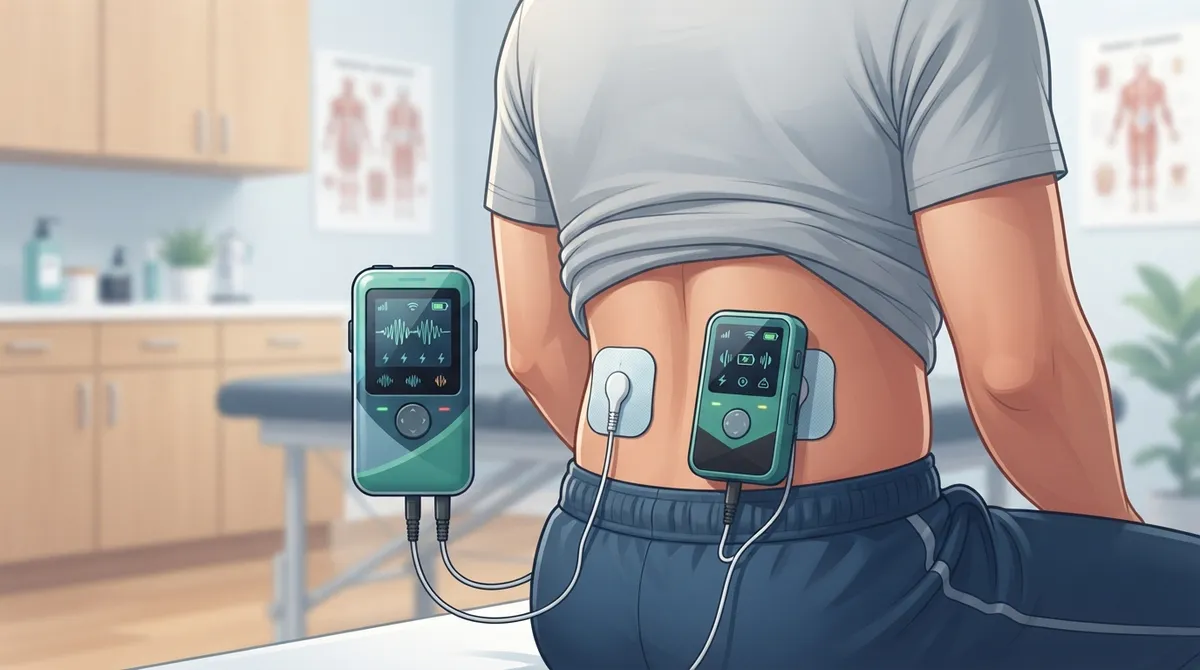
Transcutaneous electrical nerve stimulation remains foundational to spinal rehabilitation programs, primarily addressing pain rather than motor recovery. TENS works by delivering low-voltage electrical currents through surface electrodes to modulate pain signals at the spinal cord level, a mechanism well documented by the Cleveland Clinic. For chiropractic practices and physical therapy clinics managing chronic back pain, TENS provides a drug-free adjunct that patients can also use at home between sessions.
Clinics evaluating Devices for spinal applications should prioritize adjustable frequency and pulse-width settings, since patient response to sensory-level stimulation varies considerably. Providers new to selecting equipment may benefit from reviewing What Makes the Best TENS Machine for Clinical Use? for a breakdown of clinical specifications.
2. NMES Devices for Muscle Activation and Disuse Atrophy
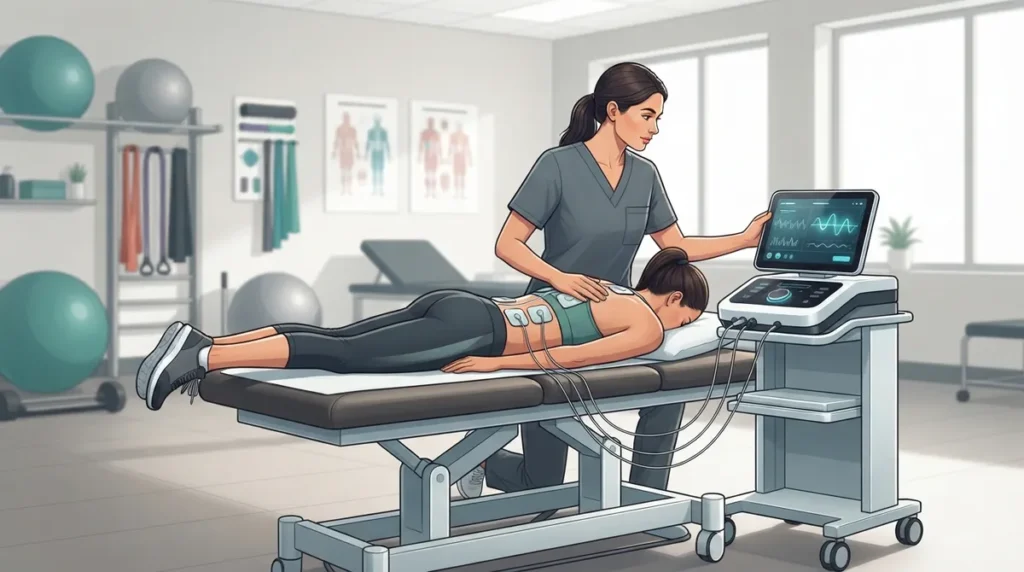
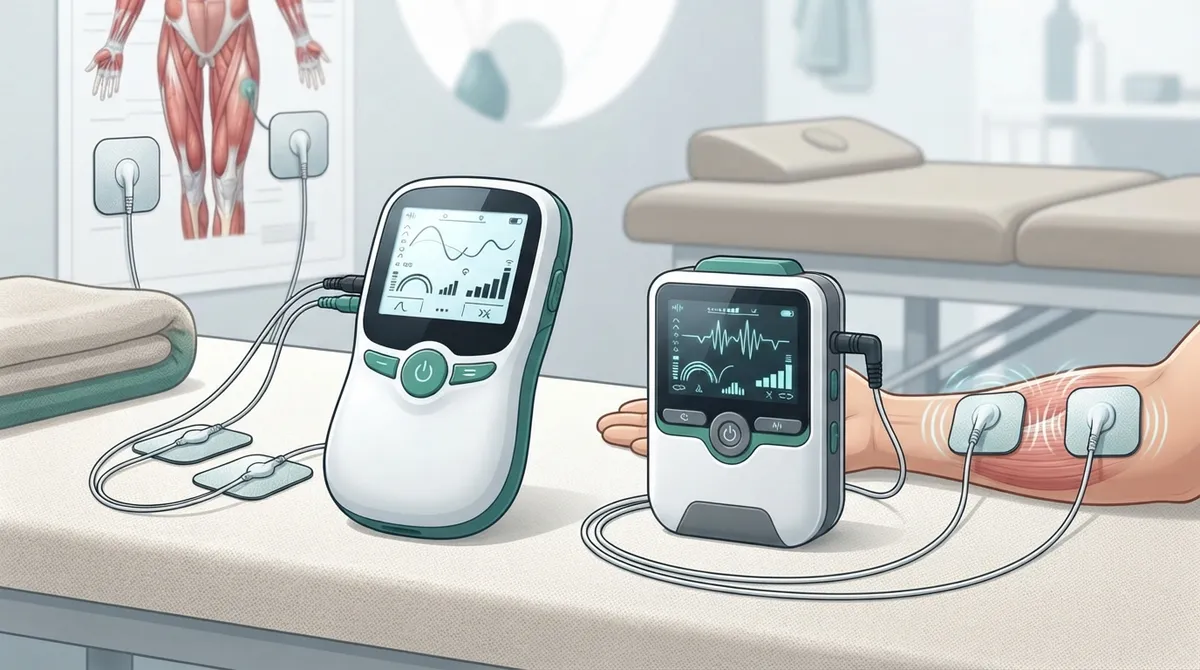
Neuromuscular electrical stimulation targets muscle activation, strengthening, and disuse-atrophy management rather than pain relief alone. NMES is particularly relevant for patients recovering from spinal surgery, prolonged immobilization, or nerve-related weakness following an auto accident. Unlike TENS, NMES produces visible muscle contractions and is typically paired with active exercise protocols.
A 2023 evidence review concluded that NMES and FES show reasonable effectiveness for functional rehabilitation in select patients with spinal cord injury and other neurological conditions, though outcomes vary by diagnosis, protocol, and patient characteristics. Clinics can explore further clinical rationale in Why Does NMES Therapy Belong in Every Clinic?
3. Functional Electrical Stimulation Systems
FES differs fundamentally from NMES: rather than simply producing a contraction, FES coordinates stimulation with a functional task such as cycling, stepping, or grasping. This distinction matters greatly for spinal rehabilitation, since FES aims to restore task-specific movement patterns rather than isolated muscle strength. Device selection should reflect the patient’s neurological level, completeness of injury, preserved peripheral nerve function, and ability to actively participate in therapy.
Physical therapy clinics integrating FES into gait training or upper-limb protocols should ensure staff are trained on programming parameters specific to the patient’s injury level, since improper settings can reduce both safety and therapeutic value.
4. Cervical Traction Units for Spinal Decompression
Cervical traction remains a staple of spinal rehabilitation, particularly for patients with disc-related pain, nerve root compression, or whiplash injuries common after auto collisions. These units gently decompress cervical vertebrae, reducing nerve impingement and muscle guarding. Chiropractic practices and auto accident injury clinics frequently pair traction with electrotherapy to address both structural and neuromuscular components of injury.
For clinics building or updating their cervical rehabilitation offerings, How to Select Cervical Traction Equipment That Delivers Results outlines key purchasing criteria, and How to Choose Cervical Traction Units That Get Results offers additional comparison points.
5. Transcutaneous Spinal Cord Stimulation (tSCS/scTS)
Transcutaneous spinal cord stimulation represents one of the most closely watched developments in spinal rehabilitation. A 2024 systematic review examining noninvasive electromagnetic neuromodulation in cervical spinal cord injury included 25 studies covering transcranial magnetic stimulation, transcranial direct-current stimulation, tSCS, FES, TENS, and neuromuscular stimulation. The review reported significant improvements in upper-limb function or motor outcomes across studies using tSCS, FES, TENS, and neuromuscular stimulation, though it emphasized that larger randomized controlled trials with standardized outcome measures are still needed, as documented on Pub Med.
Separately, a 2024 review of noninvasive electrical modalities for respiratory rehabilitation, which searched five databases for studies published through August 31, 2024, identified transcutaneous spinal cord stimulation as a particularly promising approach. Clinics should treat this as emerging evidence rather than an established standard of care until further trials confirm durability of benefit.
6. FDA-Authorized Neuromodulation Systems
The FDA-authorized ARCEX System illustrates how regulatory clearance shapes clinical adoption. This device is intended for adults aged 18 to 75 with chronic, non-progressive incomplete spinal cord injury from C2 through C8, delivering programmed transcutaneous spinal cord stimulation alongside intensive task practice to improve hand sensation and strength. FDA review materials noted that demonstrated benefits were observed only in conjunction with intensive outpatient rehabilitation, and that persistence of benefit after adjunctive device use was not established.
This nuance matters for providers: FDA authorization confirms a device’s permitted indication and safety basis, but it does not automatically prove superiority over conventional physical therapy or guarantee long-term neurological recovery. Clinics referencing FDA documentation can review source materials directly through the FDA.
7. Conductive Garments for Targeted Stimulation Delivery
Conductive garments have become an increasingly practical option for delivering consistent electrode placement across the back, shoulders, or lower extremities. These garments simplify treatment for patients who require repeated sessions, reducing setup time and improving electrode contact consistency compared to individual pad placement.
Clinics interested in this category can explore Conductive Garments and TheraKnit Garments, both of which support consistent stimulation delivery for spinal and paraspinal muscle groups. For fitting guidance, see How to Fit Conductive Garments for Better TENS Results.
8. Back Braces as a Rehabilitation Complement
While not an electrotherapy device itself, back bracing frequently accompanies spinal rehabilitation protocols to provide structural support during the healing phase. Braces stabilize the lumbar or thoracic spine, reduce excessive movement, and can be combined with electrotherapy sessions to reinforce proper posture between treatments. Chiropractic practices commonly recommend bracing alongside TENS or NMES for patients recovering from disc injuries or post-accident trauma.
Providers can review available options through Back Braces and learn more about pairing strategies in 5 Back Brace Solutions That Pair Well With TENS (2026).
9. Electrode Selection and Placement Technology
Proper electrode selection significantly influences treatment efficacy and patient comfort. Electrode size, material, and placement must correspond to the targeted spinal region, patient skin condition, and treatment goal. Clinicians should also consider impaired sensation or compromised skin integrity, both of which are common precautions across electrotherapy device labeling.
For structured guidance on this frequently overlooked aspect of spinal rehabilitation, refer to Electrotherapy Electrodes: A Clinical Guide for Providers and 10 TENS Unit Pads Placement Tips for Clinical Results.
10. Interferential Current Therapy for Deeper Tissue Penetration
Interferential current therapy uses medium-frequency currents that intersect within tissue to reach deeper structures, including paraspinal muscles, with reduced surface discomfort compared to standard TENS. This modality is often selected for patients with chronic lower back pain or deeper musculoskeletal involvement following whiplash or lumbar strain.
Clinics considering this technology for spinal rehabilitation protocols will find detailed clinical parameters in 15 Facts on Interferential Current Therapy for Clinics (2026).
11. Combination Protocols: Electrotherapy Plus Task Practice
A critical principle across all spinal rehabilitation equipment categories is that electrotherapy functions as an adjunct rather than a standalone treatment. Its benefits are most pronounced when combined with structured task practice, therapeutic exercise, gait training, or occupational therapy. This is consistent across NMES, FES, and tSCS research, and it directly informed the FDA’s review of the ARCEX System, which required demonstrated use alongside intensive rehabilitation.
The following list summarizes key factors clinicians should weigh when building combination protocols:
- Neurological level and completeness of spinal cord injury
- Preserved peripheral nerve function and sensory awareness
- Patient’s ability to actively participate in task practice
- Treatment goal: pain modulation, strengthening, or functional task restoration
- Presence of contraindications such as active implanted electronic devices, epilepsy, or pregnancy
Providers can find broader clinical context in How Does Electrotherapy Work for Pain and Rehab? and How to Integrate Muscle Stimulation Into Clinical Care.
12. Insurance-Aligned Equipment Selection for Practice Sustainability
Reimbursement realities shape which spinal rehabilitation equipment clinics can realistically deploy. CMS coverage materials distinguish between training spinal cord injury patients to use NMES or FES devices for walking versus using stimulation solely to reverse or retard muscle atrophy, illustrating how clinical purpose and evidence-supported indication affect reimbursement decisions. This distinction is especially relevant for auto accident injury clinics navigating claims processes.
Liberty Medical Solutions works with commercial PPO/POS plans, workers’ compensation, and auto accident claims to help practices align equipment choices with what payers are likely to cover. This insurance-conscious approach reduces administrative friction and supports more predictable patient access to care. For a deeper look at how payer type affects coverage decisions, see PPO Insurance and Electrotherapy Coverage: What Providers Need to Know and 7 Ways POS Insurance Impacts Electrotherapy Coverage in 2026.
Comparing Spinal Rehabilitation Electrotherapy Modalities
The table below summarizes the primary distinctions among the core electrotherapy modalities used in spinal rehabilitation, helping clinicians match technology to clinical intent.
| Modality | Primary Purpose | Typical Patient Profile | Evidence Status |
|---|---|---|---|
| TENS | Sensory pain modulation | Chronic back pain, post-accident soft tissue pain | Well-established for pain relief |
| NMES | Muscle activation, strengthening, atrophy prevention | Disuse weakness, post-surgical recovery | Reasonably supported, protocol-dependent |
| FES | Task-specific functional movement | Incomplete spinal cord injury, gait or hand function goals | Growing evidence, requires active participation |
| tSCS/scTS | Investigational neuromodulation | Chronic incomplete cervical spinal cord injury | Emerging, larger trials needed |
Safety Considerations Every Clinic Must Review
Before integrating any spinal rehabilitation equipment, clinics must review device-specific contraindications. Common precautions include active implanted electronic devices or wearable defibrillators, suspected cardiac conditions, epilepsy, pregnancy, impaired sensation, compromised skin, infection, and inability to report discomfort. In spinal cord injury populations specifically, clinicians should also monitor for autonomic dysreflexia, spasticity, pain, and musculoskeletal complications that may not be immediately apparent during stimulation sessions.
The following steps outline a practical safety checklist for onboarding new spinal rehabilitation equipment:
- Review manufacturer labeling and intended use statements before first patient application
- Screen each patient for contraindications specific to the device category
- Confirm sensory status and ability to communicate discomfort during stimulation
- Set initial parameters conservatively and adjust based on patient tolerance
- Document functional outcomes alongside pain scores to track combined therapeutic value
Additional peer-reviewed context on electrical stimulation safety and efficacy is available through the National Library of Medicine and the CDC, both of which support electrotherapy as part of broader non-opioid pain management strategies.
Building a Clinically Sound Equipment Strategy
Selecting spinal rehabilitation equipment is not a one-time purchase decision but an ongoing clinical strategy that must evolve with patient population, evidence updates, and payer requirements. Physical therapy clinics, chiropractic practices, and auto accident injury centers each face distinct pressures, from maximizing functional outcomes to documenting medical necessity for insurance claims. A well-organized equipment inventory paired with clear treatment protocols allows staff to match modality to patient need consistently.
Clinics seeking a broader inventory overview may find Products useful for comparing device categories side by side, while 8 Electrotherapy Equipment Types Clinics Rely On (2026) offers additional categorical detail relevant to spinal care.
Conclusion
Spinal rehabilitation equipment spans a wide spectrum, from foundational TENS units for pain modulation to emerging transcutaneous spinal cord stimulation systems still under active investigation. The strongest clinical outcomes consistently arise when electrotherapy is paired with structured task practice, therapeutic exercise, or gait training, rather than used in isolation. As evidence continues to develop, particularly for FES and tSCS applications, clinics that stay current on FDA guidance, contraindications, and insurance requirements will be best positioned to deliver both safe and reimbursable care. Liberty Medical Solutions supports physical therapy clinics, chiropractic practices, and auto accident injury centers with customized electrotherapy equipment tailored to patient needs and payer requirements. To discuss which spinal rehabilitation equipment fits your practice, Contact Our Team Today.
FAQs
Q: What types of electrotherapy equipment are used for spinal rehabilitation?
A: Spinal rehabilitation programs typically use TENS for pain modulation, NMES for muscle activation and strengthening, FES for task-specific movement such as cycling or grasping, and investigational transcutaneous spinal cord stimulation for neuromodulation. Cervical traction units and conductive garments often complement these electrotherapy modalities within a comprehensive treatment plan.
Q: What is the difference between TENS, NMES, FES, and transcutaneous spinal cord stimulation?
A: TENS primarily modulates sensory pain signals without producing muscle contractions, while NMES activates muscles for strengthening and re-education. FES coordinates stimulation with a specific functional task like walking or grasping, and transcutaneous spinal cord stimulation is an emerging neuromodulation approach still under active clinical investigation.
Q: Can electrical stimulation help people with spinal cord injuries walk or use their hands?
A: Research shows promise for select outcomes, particularly upper-limb motor function, when FES or transcutaneous spinal cord stimulation is combined with intensive task practice. However, evidence remains developing, and larger randomized controlled trials with standardized outcome measures are needed before these results can be considered definitive.
Q: What are the contraindications for spinal rehabilitation electrotherapy equipment?
A: Common contraindications include active implanted electronic devices, suspected cardiac conditions, epilepsy, pregnancy, impaired sensation, compromised skin, and infection. In spinal cord injury patients, clinicians must also monitor for autonomic dysreflexia and spasticity, which may not be immediately apparent during treatment.
Q: Does functional electrical stimulation prevent muscle atrophy or bone loss after spinal cord injury?
A: NMES and FES can support muscle activation and help manage disuse atrophy, but CMS coverage guidance distinguishes between using stimulation for functional training, such as walking, versus using it solely to reverse muscle atrophy. Clinical purpose and documented evidence directly influence both treatment approach and insurance reimbursement.