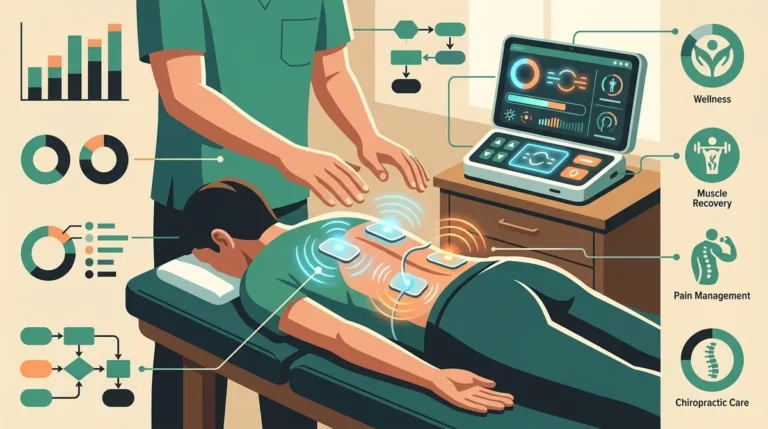
Physical therapists, chiropractors, and auto injury clinicians are asked one question more than almost any other: how does electrotherapy work, and will it actually help my patient? With chronic pain affecting a substantial share of American adults according to the National Institutes of Health, providers need a clear, evidence-based understanding of electrical stimulation before recommending it to patients recovering from whiplash, disc injuries, post-surgical weakness, or musculoskeletal pain. Electrotherapy is not a single treatment but a family of modalities, each using controlled electrical current in distinct ways to influence nerves, muscles, and pain pathways.
This article breaks down the physiological mechanisms behind TENS, NMES, and FES, explains how treatment parameters affect outcomes, and outlines safety considerations every clinic should understand before integrating electrical stimulation into patient care. Whether you run a physical therapy clinic, a chiropractic practice, or an auto accident injury center, understanding these mechanisms allows you to set realistic patient expectations and select the right electrotherapy devices for your caseload.
The Basic Science Behind Electrotherapy
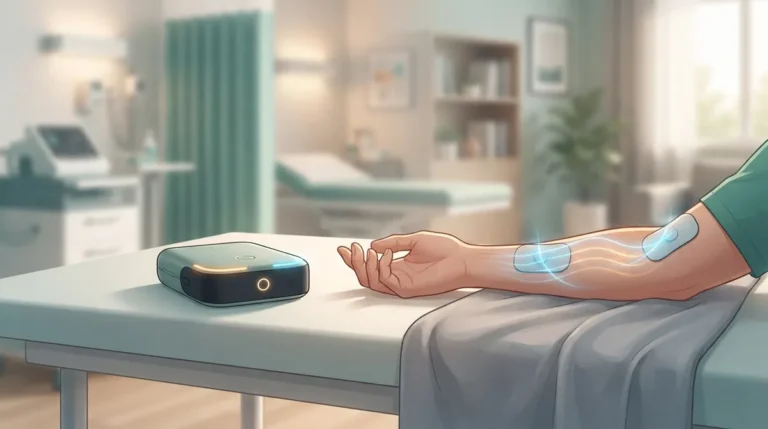
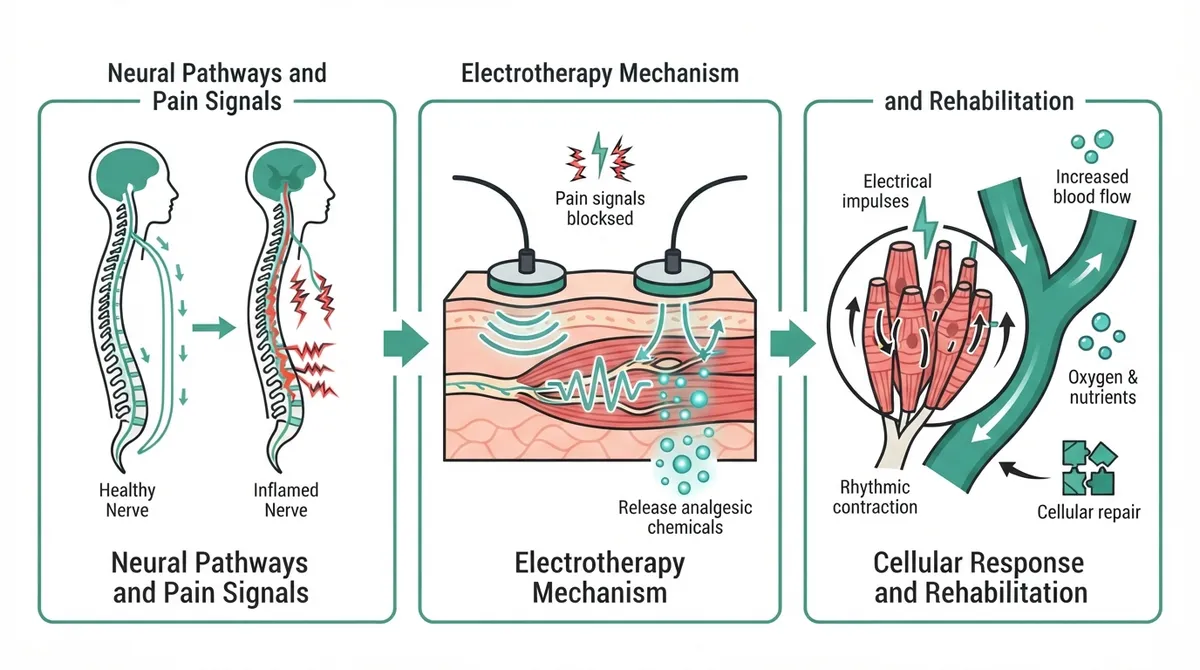
At its core, electrotherapy delivers a controlled electrical current through surface electrodes or specialized probes placed on the skin. This current interacts with peripheral nerves, muscle fibers, and surrounding tissue to produce measurable physiological effects. The nature of those effects depends heavily on several adjustable parameters, including waveform shape, frequency, pulse width, current intensity, electrode placement, and total treatment duration.
Clinicians who understand these variables can fine-tune a device to target sensory nerves for pain relief or motor nerves for muscle activation. This is why generic, one-size-fits-all consumer devices often underperform compared to clinical-grade equipment that allows precise parameter adjustment. Practices seeking clinical-use TENS machines should prioritize units offering a wide range of programmable settings to accommodate diverse diagnoses.
Key Parameters That Determine Treatment Effect
- Frequency (Hz): Low frequencies tend to promote endorphin release, while higher frequencies are typically used for immediate gate-control pain blocking.
- Pulse width: Wider pulses recruit deeper nerve fibers and are often used for motor stimulation.
- Intensity: Determines whether the patient feels a mild tingling sensation or a visible muscle contraction.
- Electrode placement: Positioning directly influences which nerve pathways or muscle groups are activated.
- Treatment duration: Session length affects both symptom relief and the risk of skin irritation or muscle fatigue.
How TENS Relieves Pain Signals
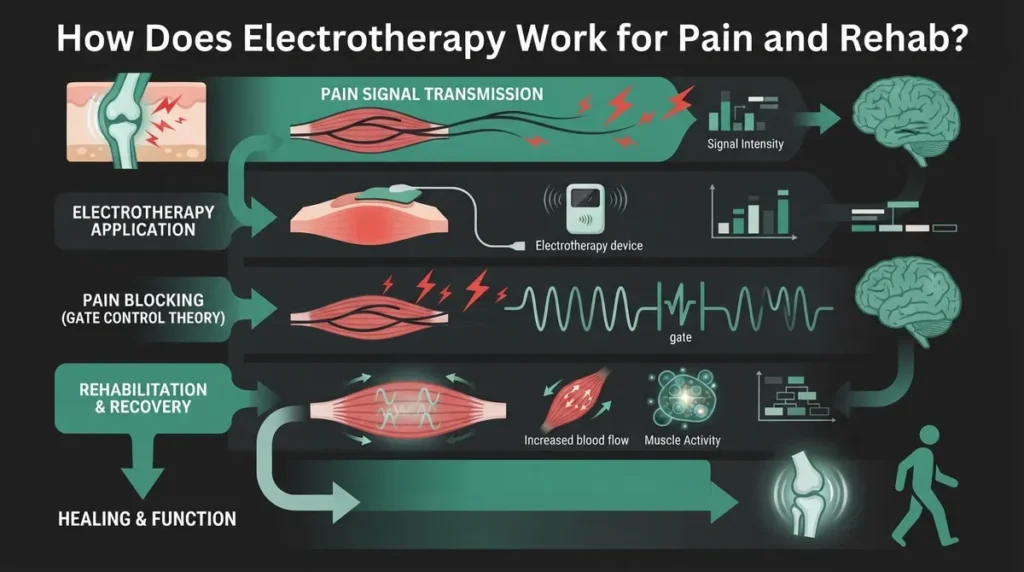
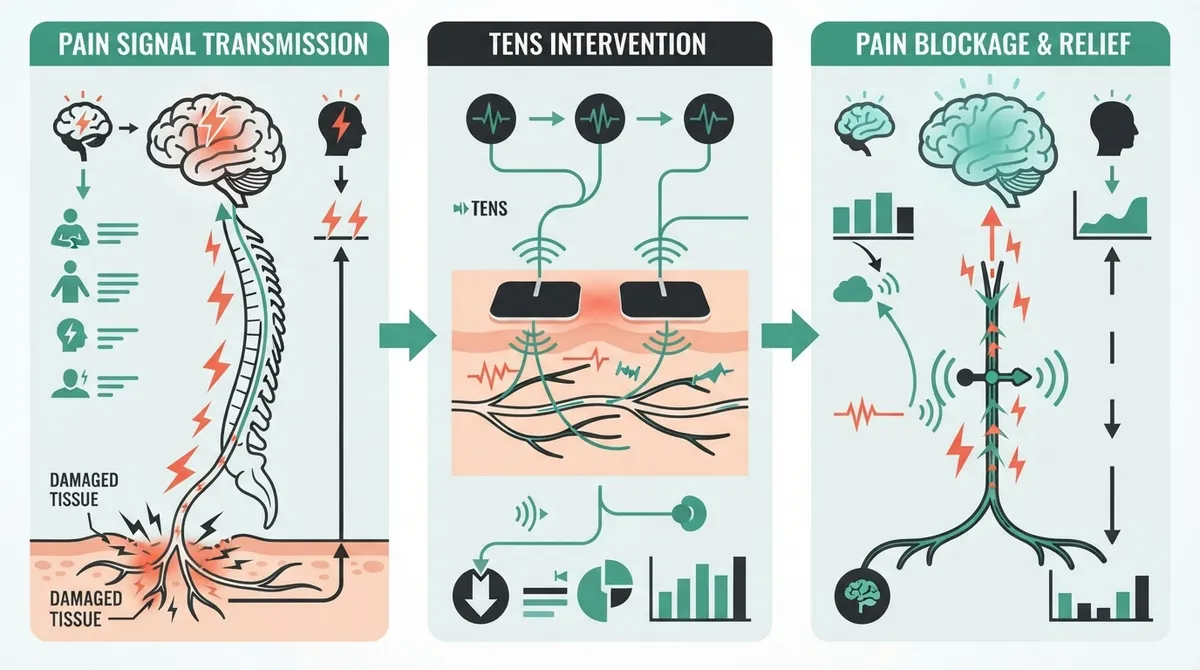
Transcutaneous electrical nerve stimulation, or TENS, is the modality most patients recognize. It primarily targets sensory nerve fibers rather than motor nerves, which is why patients typically report a tingling or buzzing sensation instead of a muscle contraction. According to StatPearls, TENS is believed to reduce pain through several overlapping mechanisms.
- Gate control theory: Stimulating large-diameter sensory fibers can effectively “close the gate” on pain signal transmission at the spinal cord level, reducing the brain’s perception of pain.
- Descending inhibition: TENS is thought to activate descending pathways from the brainstem that suppress pain signals traveling up the spinal cord.
- Neurochemical changes: Some evidence suggests TENS influences the release of endogenous opioids and other pain-modulating chemicals.
A large systematic review and meta-analysis cited by StatPearls found moderate-certainty evidence that pain intensity was lower during or immediately after TENS compared with placebo, with no serious adverse events reported. This makes TENS a valuable, non-pharmacological option, particularly as the FDA and CDC continue to promote non-opioid pain management strategies. Clinics researching how electrotherapy fits into broader treatment protocols can review this clinical guide to electrotherapy for clinics for additional context.
How NMES Builds and Preserves Muscle Function
Neuromuscular electrical stimulation, or NMES, works differently than TENS because it targets motor nerves rather than sensory fibers. When current is applied at sufficient intensity, it triggers an involuntary muscle contraction, similar to what happens during voluntary exercise. This mechanism makes NMES particularly useful for patients who have difficulty activating muscles voluntarily due to pain, injury, or neurological impairment.
A review of NMES for muscle rehabilitation cited a controlled series of 50 patients who reported no adverse effects, supporting its safety profile when used appropriately. Physical therapy clinics frequently use NMES to:
- Maintain muscle mass during post-surgical immobilization
- Support strengthening protocols following ACL or rotator cuff repair
- Re-educate muscles after prolonged disuse
- Complement voluntary exercise programs for patients with limited mobility
Because NMES produces a visible contraction rather than a subtle tingling sensation, patient tolerance and proper intensity calibration are essential. Clinics evaluating EMS devices for better patient outcomes should look for units with adjustable ramp times to improve comfort during contraction onset.
NMES Versus FES: What Is the Difference?
Functional electrical stimulation, or FES, shares the same underlying motor-nerve mechanism as NMES but is applied differently. Rather than producing an isolated contraction, FES is timed to coincide with a purposeful movement, such as stepping during gait training or grasping during hand rehabilitation. This approach is common in neurological rehabilitation settings, helping patients relearn functional movement patterns rather than simply strengthening an isolated muscle.
Comparing TENS, NMES, and FES
| Modality | Primary Target | Typical Sensation | Common Clinical Use |
|---|---|---|---|
| TENS | Sensory nerves | Tingling, no contraction | Acute and chronic pain relief |
| NMES | Motor nerves | Visible muscle contraction | Muscle strengthening, atrophy prevention |
| FES | Motor nerves + functional task | Contraction synced to movement | Gait training, neurological rehab |
What Does Electrotherapy Feel Like?
Patient expectations matter, especially for auto accident injury clinics treating anxious patients unfamiliar with electrical stimulation. TENS typically produces a mild tingling or pins-and-needles sensation as intensity is gradually increased from zero. NMES and FES produce a stronger sensation because they generate an actual muscle contraction, which some patients describe as a tightening or pulsing feeling.
Discomfort usually indicates that intensity has been raised too quickly or that electrode placement needs adjustment. According to the Cleveland Clinic, properly administered TENS should never be painful, and any sharp or burning sensation warrants immediate reassessment of settings or electrode contact.
Common Short-Term Effects
- Tingling or buzzing during active TENS stimulation
- Temporary skin redness at the electrode site
- Mild electrode-site irritation, particularly with prolonged use
- Post-treatment muscle soreness following NMES sessions
The most frequently reported issues are minor local skin reactions such as irritation or rash; burns and other serious complications remain rare when equipment and electrodes are used correctly. This underscores the importance of sourcing quality electrodes and devices from a trusted electrotherapy medical supply company rather than relying on inconsistent, low-cost alternatives.
Session Frequency and Duration Guidelines
There is no universal protocol that applies to every patient, but general clinical patterns have emerged across research and practice. The following steps outline a typical approach clinics use when introducing electrotherapy into a treatment plan.
- Initial assessment: Confirm diagnosis, rule out contraindications, and identify treatment goals, whether pain relief, muscle activation, or functional movement support.
- Parameter selection: Choose waveform, frequency, and pulse width based on whether the goal is sensory-level pain modulation or motor-level muscle contraction.
- Initial trial session: Start at low intensity and gradually increase while monitoring patient tolerance and sensation quality.
- Session duration: Most TENS sessions run 20 to 60 minutes, while NMES sessions are often shorter but more intense, focusing on contraction repetitions.
- Reassessment: Adjust frequency and parameters based on patient-reported outcomes over subsequent visits.
Clinics building structured protocols may find value in this guide to building an effective pain management program, which outlines how electrotherapy fits alongside manual therapy and exercise-based rehabilitation.
Safety Considerations and Contraindications
While electrotherapy carries a strong safety profile when used correctly, certain patient populations require professional evaluation before treatment begins. Research published by the National Library of Medicine outlines specific contraindications that every provider should screen for during intake.
| Condition | Consideration |
|---|---|
| Cardiac pacemaker or ICD | Requires physician clearance; avoid stimulation near the device |
| Pregnancy | Avoid stimulation over the abdomen or lower back without guidance |
| Epilepsy or seizure history | Requires professional evaluation before use |
| Impaired sensation | Increases risk of skin injury from excessive intensity |
| Active cancer or DVT | Avoid stimulation over or near the affected area |
| Damaged or infected skin | Do not place electrodes on compromised tissue |
FDA powered-muscle-stimulator guidance specifically identifies demand pacemakers as a contraindication and advises against stimulation over the carotid sinus, neck, or mouth. Providers should also avoid placing electrodes across the chest, anterior neck, head, eyes, or areas with markedly reduced sensation. Reviewing TENS machine side effects clinicians must know can help staff build thorough intake screening protocols.
Why Treatment Outcomes Vary by Condition
It is important for clinics to communicate honestly with patients: electrotherapy is not a single treatment with one universal success rate. Evidence reviews note substantial variability in TENS research because studies differ in stimulation intensity, electrode placement, pain diagnoses, treatment duration, and outcome measures. A patient with acute post-surgical pain may respond differently than a patient managing chronic lower back pain, and results also depend on how well parameters are matched to the specific diagnosis.
This variability is precisely why individualized assessment matters more than following a generic protocol. According to PubMed, treatment parameters and patient-specific factors significantly influence whether electrical stimulation produces meaningful clinical benefit. Clinics that document outcomes across TENS, NMES, and FES applications can better refine protocols and set appropriate expectations for future patients.
Selecting the Right Device for Your Practice
Because treatment effectiveness depends so heavily on device capability, clinics should carefully evaluate their equipment options rather than defaulting to whatever unit is most affordable. Key considerations include:
- Range of programmable frequencies and pulse widths
- Dual or multi-channel capability for treating multiple areas simultaneously
- Compatibility with conductive garments for hands-free, full-coverage treatment
- Durability and build quality suited to high patient volume
- Insurance billing compatibility, particularly for practices working with PPO/POS plans, workers’ compensation, or auto accident claims
Chiropractic practices pairing electrotherapy with spinal adjustments often benefit from combining devices with back braces for at-home support between visits, extending the therapeutic benefit beyond the clinic walls. As a Tampa-based provider, Liberty Medical Solutions works directly with clinics to customize electrotherapy device selection based on patient population, insurance mix, and treatment goals, helping practices avoid the guesswork of choosing generic equipment.
Supporting Auto Accident and Whiplash Recovery
Auto accident injury clinics face unique challenges, including treating soft tissue injuries, whiplash, and lingering musculoskeletal pain while navigating complex insurance claims. Electrotherapy offers a valuable non-opioid option for these patients, particularly in the acute recovery phase when pain limits participation in active rehabilitation. Clinics can review this dedicated resource on using electrotherapy for auto accident treatment to understand documentation practices that support insurance reimbursement alongside clinical care.
Because many auto accident cases involve third-party liability or PIP claims, providers should also understand how coverage differs from standard commercial plans. Liberty Medical Solutions supports clinics navigating workers’ compensation, auto accident claims, and PPO/POS coverage, helping ensure patients receive necessary equipment without unnecessary administrative delays.
Bringing Electrotherapy Into Your Treatment Protocol
Understanding how electrotherapy works, from gate-control pain relief through TENS to motor-driven muscle activation through NMES and FES, allows clinics to apply these tools with precision rather than guesswork. Proper parameter selection, electrode placement, and patient screening are what separate a well-designed treatment plan from one that under-delivers on clinical results. As demand for non-pharmacological pain management continues to grow, physical therapy clinics, chiropractic practices, and auto injury centers all have an opportunity to strengthen patient outcomes through evidence-informed electrotherapy protocols.
If your practice is ready to expand its electrotherapy offerings with clinically supported, customizable devices, Contact Our Team to discuss equipment options tailored to your patient population and insurance requirements.
FAQs
Q: How does electrotherapy relieve pain?
A: Electrotherapy, particularly TENS, is believed to relieve pain through gate-control mechanisms that block pain signals at the spinal cord, along with activation of descending pain-inhibitory pathways in the brainstem. Some evidence also suggests it influences the release of natural pain-modulating chemicals in the body.
Q: What is the difference between TENS, EMS, NMES, and FES?
A: TENS targets sensory nerves to reduce pain perception without producing a muscle contraction, while NMES and EMS stimulate motor nerves to create involuntary muscle contractions for strengthening or rehabilitation. FES is a specialized form of motor stimulation that is timed with a functional activity, such as walking, rather than producing an isolated contraction.
Q: Can electrotherapy build muscle or prevent muscle atrophy?
A: NMES can support muscle recruitment and help maintain muscle mass when voluntary activation is limited, such as after surgery or injury. It is typically used alongside, not as a replacement for, active exercise and rehabilitation programs.
Q: What does electrotherapy feel like, and should it hurt?
A: TENS typically produces a mild tingling or buzzing sensation, while NMES and FES create a visible muscle contraction that feels like a tightening or pulsing sensation. Properly administered electrotherapy should not be painful, and any sharp or burning sensation indicates that intensity or electrode placement needs adjustment.
Q: Is electrotherapy safe with a pacemaker, during pregnancy, or for people with epilepsy?
A: Patients with pacemakers, implantable defibrillators, epilepsy, or who are pregnant should consult a physician before beginning electrotherapy, as these conditions require professional evaluation and specific precautions. FDA guidance specifically identifies demand pacemakers as a contraindication for powered muscle stimulators.