Key Takeaways
-
TENS provides moderate-certainty evidence for short-term pain relief during or immediately after treatment, especially with strong comfortable stimulation applied near the painful area, making it valuable for helping patients tolerate exercise or manual therapy.
-
Evidence for long-term chronic pain relief is very low quality and inconclusive; TENS works best integrated with structured rehabilitation protocols rather than used as a standalone intervention for chronic conditions.
-
Proper electrode placement close to the pain site, correct stimulation intensity, and patient education are as critical to success as the device itself; clinics reporting best outcomes combine these with active treatment.
-
Screen patients for contraindications including pacemakers, implanted defibrillators, pregnancy, epilepsy, and reduced skin sensation before recommending TENS to ensure safety and appropriate candidacy.
-
Different clinic types report condition-specific success: physical therapists use TENS to enable movement, chiropractors report better tolerance of adjustments, and auto accident clinics find it valuable for acute soft tissue trauma management.
-
Set realistic patient expectations that TENS provides immediate relief rather than a permanent cure, and document pain scores and functional improvements to support insurance authorization and reimbursement.
Patients frequently ask this exact question before committing to electrotherapy, and clinicians hear it just as often from colleagues weighing whether to add TENS units to their treatment menu. The honest answer is nuanced: clinical experience with TENS machines for pain varies significantly based on condition, electrode placement, stimulation intensity, and how the device fits into a broader care plan. For physical therapy clinics, chiropractic practices, and auto accident injury clinics, understanding what real-world and research-based experience actually shows is essential to setting patient expectations and selecting the right equipment.
This article examines what the current evidence says about TENS effectiveness, how clinical experience aligns with published research, and what practical factors determine whether a patient’s experience with TENS will be positive. We also outline practice considerations for providers evaluating TENS devices for their clinical settings, including safety parameters, electrode placement strategies, and realistic outcome expectations grounded in peer-reviewed data.
What the Research Says About TENS Machine Experience
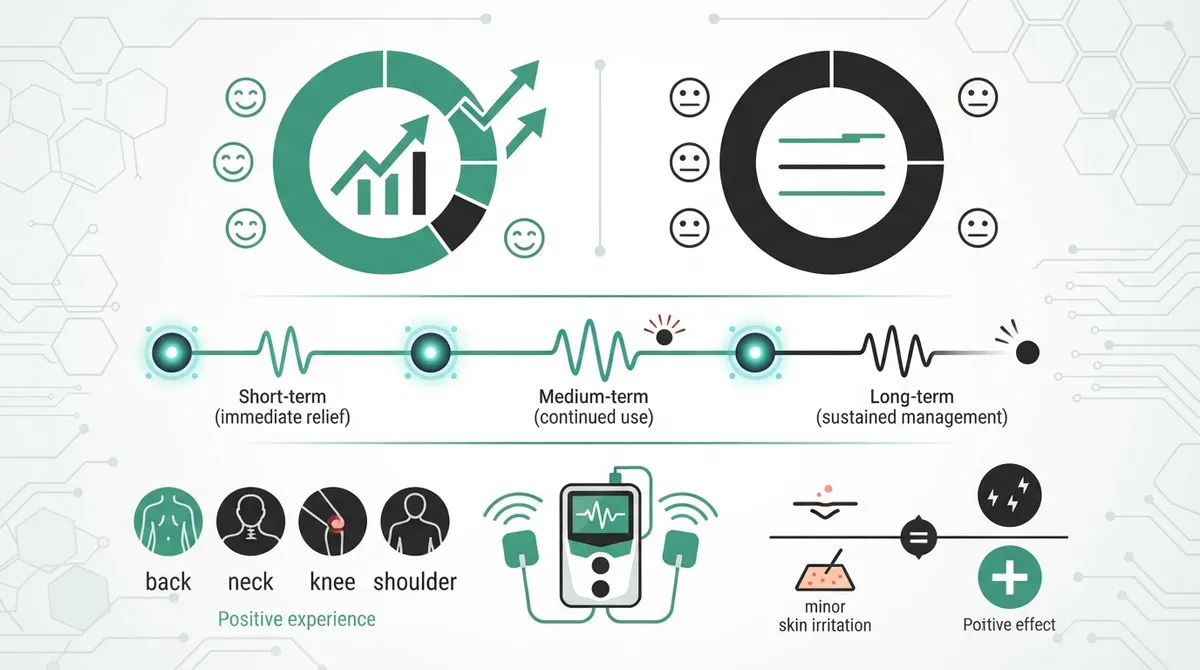
Clinical experience with TENS for pain relief is best understood through the lens of controlled research rather than anecdote alone. A landmark 2022 systematic review and meta-analysis examined 381 randomized controlled trials involving 24,532 participants, making it one of the most comprehensive analyses of TENS efficacy to date, according to Pub Med. The findings offer a balanced picture that matches what many providers observe in practice: TENS tends to work well for immediate, short-term pain reduction but shows less certain benefit for long-term chronic pain management.
Short-Term Pain Relief Findings
Within that same review, 91 randomized trials involving 4,841 participants demonstrated lower pain intensity during or immediately after TENS application compared with placebo. The standardized mean difference was −0.96, with a 95% confidence interval of −1.14 to −0.78, and the certainty of evidence was rated moderate. This is a clinically meaningful signal, particularly for patients who need temporary relief to participate in exercise, stretching, or manual therapy sessions.
A separate analysis of 61 trials involving 3,155 participants found that TENS outperformed standard pharmacological or non-pharmacological care during or immediately after treatment, with a standardized mean difference of −0.72 and a 95% confidence interval of −0.95 to −0.50, though the certainty here was rated low. For chiropractic practices and physical therapy clinics, this suggests TENS can be a valuable adjunct for helping patients tolerate adjustments, manual mobilization, or therapeutic exercise with less discomfort.
Long-Term Chronic Pain Uncertainty
The picture becomes less clear for chronic pain outcomes over extended periods. A Cochrane overview covering 51 discrete TENS-related trials and 2,895 participants concluded that evidence for chronic pain relief, disability improvement, quality of life, medication reduction, and harms was very low quality, according to Cochrane. This does not mean TENS fails for chronic conditions; rather, it means researchers cannot yet draw confident conclusions from existing trial designs.
- A 2021 review of 169 reviews found 69 concluded TENS may be beneficial, while 13 found no benefit and 87 considered evidence inconclusive.
- A 2024 review focused on chronic low-back pain found TENS performed similarly to active and passive controls, with the authors describing clinical recommendations as equivocal.
- Individual patient response varies considerably by condition, pain chronicity, and correct device usage.
This variability is precisely why provider experience and proper patient education matter so much. Clinics that report the best outcomes with TENS typically combine the device with structured rehabilitation protocols rather than using it as a standalone intervention.
How Provider Experience Shapes Patient Outcomes
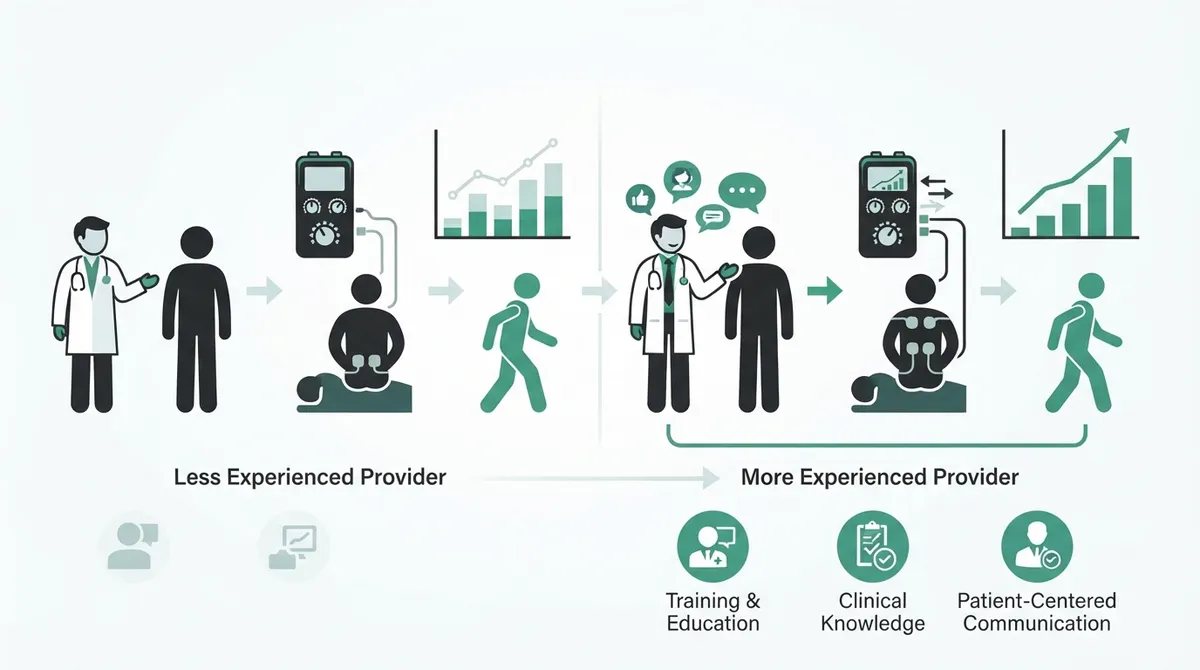
Across physical therapy clinics, chiropractic practices, and auto accident injury clinics, the clinicians who report the most consistent success with TENS share several common practices. Their experience suggests that technique and patient education matter as much as the device itself.
Electrode Placement and Stimulation Intensity
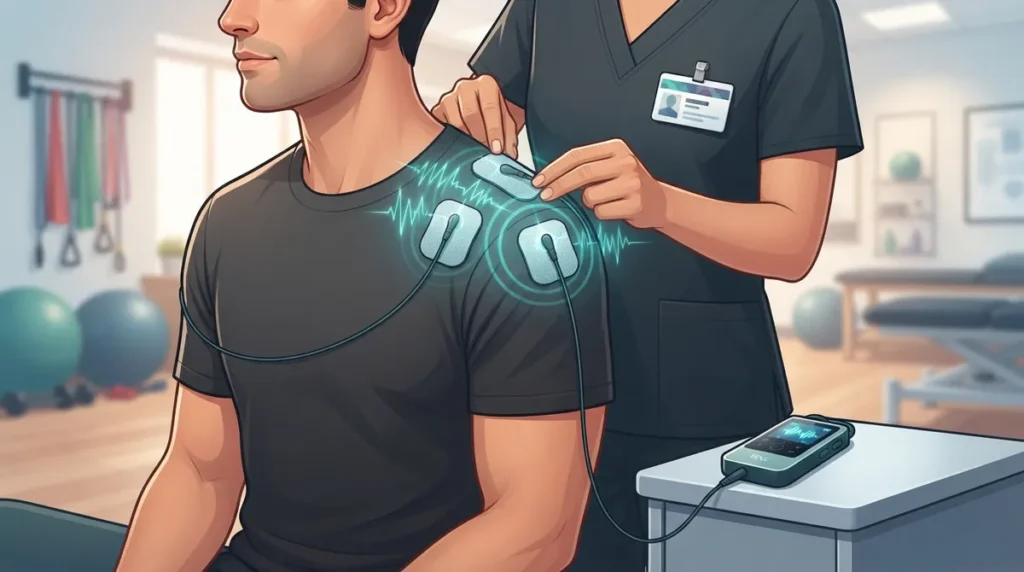
Providers consistently report better outcomes when electrodes are placed close to the painful area and stimulation is set strong but comfortable, never painful. This mirrors the 2022 meta-analysis findings, which specifically noted that stronger, comfortable stimulation applied near the pain site produced the most reliable short-term relief. Clinics using proper TENS unit pad placement techniques tend to report higher patient satisfaction and more consistent symptom relief across visits.
Condition-Specific Experience
Clinical experience with TENS also differs by condition type. Providers treating musculoskeletal pain, arthritis-related discomfort, nerve-related pain, and postoperative pain often report the most favorable short-term results. Chiropractors managing whiplash and lower back strain, physical therapists treating post-surgical rehabilitation patients, and auto accident injury clinics addressing soft tissue trauma each describe TENS as a helpful adjunct for improving patient tolerance during active treatment phases.
| Pain Type | Typical Provider Experience | Common Setting |
|---|---|---|
| Acute musculoskeletal pain | Favorable short-term relief, supports mobility | Physical therapy, chiropractic |
| Whiplash and soft tissue injury | Moderate relief, aids early rehabilitation | Auto accident injury clinics |
| Postoperative pain | Useful adjunct alongside standard care | Physical therapy, orthopedic recovery |
| Chronic low-back pain | Mixed results, variable by patient | Chiropractic, physical therapy |
| Nerve-related pain | Moderate benefit, requires careful placement | Physical therapy, pain management |
Practical Steps for Evaluating TENS in Clinical Practice
For clinics considering whether to expand or upgrade their electrotherapy offerings, provider experience points to several practical steps that improve outcomes and reduce frustration.
- Screen patients for contraindications. Providers with strong TENS experience routinely check for pacemakers, implanted defibrillators, pregnancy, epilepsy, reduced skin sensation, and significant cardiac conditions before recommending treatment.
- Set realistic expectations. Patients respond best when told that TENS may provide meaningful short-term relief rather than a permanent cure, aligning with what the National Library of Medicine research consistently demonstrates.
- Prioritize correct electrode placement. Experience shows that pad positioning close to the pain source, avoiding broken or numb skin, and steering clear of the neck, head, and chest area over the heart, produces safer and more effective sessions.
- Start with gradual intensity increases. Clinicians report fewer adverse reactions when intensity is increased slowly until stimulation feels strong but comfortable.
- Integrate TENS with active rehabilitation. The strongest outcomes come from combining TENS with exercise, manual therapy, or chiropractic adjustment rather than relying on it in isolation.
Safety Considerations Based on Clinical Experience
Adverse events reported in the 2022 meta-analysis were generally minor, including skin irritation, redness, or localized discomfort at the electrode site. Serious adverse events were not reported in that large trial set, which reinforces the safety profile providers have long observed in practice. However, clinics should still instruct patients to stop use if they experience burning, dizziness, unusual symptoms, or significant skin reactions, and to avoid using TENS while driving, operating machinery, bathing, or sleeping unless specifically cleared by a qualified clinician.
- Never place electrodes over broken, infected, or inflamed skin.
- Avoid placement across the front or sides of the neck, over the eyes, or directly over the heart.
- Patients with pacemakers or implanted electronic devices need professional clearance first.
- Pregnant patients and those with epilepsy should consult a clinician before use.
Why Clinic Type Influences TENS Experience
Different provider settings report distinct patterns of experience with TENS, largely shaped by patient populations and treatment goals.
Physical Therapy Clinics
Physical therapists frequently use TENS as a bridge to active movement, applying it before or during therapeutic exercise to reduce guarding and improve range of motion. Clinics that have reviewed how TENS units function in clinical pain management often find that pairing electrical stimulation with progressive loading protocols produces more durable functional gains than either intervention alone.
Chiropractic Practices
Chiropractors commonly report that TENS helps patients tolerate spinal adjustments more comfortably, particularly for those with acute muscle guarding or post-adjustment soreness. Many practices also send patients home with portable units to extend relief between visits, a strategy detailed in guidance on selecting TENS units for chiropractic practices.
Auto Accident Injury Clinics
Providers treating whiplash, back injuries, and soft tissue damage from motor vehicle collisions often describe TENS as a valuable tool for managing acute pain while navigating insurance-driven treatment timelines. Clinics working through electrotherapy protocols for auto accident treatment frequently coordinate with auto insurance claims and third-party liability processes to ensure patients receive consistent access to devices throughout recovery.
Choosing the Right Device Based on Clinical Experience
Provider feedback consistently points to a few features that distinguish a reliable clinical-grade TENS unit from a basic consumer model. Look for adjustable intensity in fine increments, multiple waveform and frequency settings, durable construction for daily clinic use, and clear patient-facing instructions for home use between visits.
Clinics evaluating new equipment should also consider how devices integrate with other modalities, such as conductive garments or back braces, which can extend the benefits of electrical stimulation into daily activity. Liberty Medical Solutions works directly with physical therapy clinics, chiropractic practices, and auto accident injury clinics to match device selection with patient populations and insurance requirements, including commercial PPO/POS plans, workers’ compensation, and auto accident claims.
Documentation and Insurance Considerations
Provider experience with TENS also depends heavily on smooth reimbursement processes. Clinics that document pain scores before and after treatment, track functional improvements, and maintain clear records of medical necessity tend to navigate insurance approvals more efficiently. This is particularly relevant for PPO insurance electrotherapy coverage and workers’ compensation cases, where thorough documentation supports continued authorization for at-home devices.
What Patients Should Know Before Starting TENS
Patient-reported experience tends to align closely with clinician observations when expectations are set correctly from the start. According to the Cleveland Clinic, TENS should be viewed as a complementary tool rather than a replacement for diagnosis and comprehensive medical care. Patients dealing with persistent, unexplained, or worsening pain should always be referred for further clinical assessment rather than relying on electrotherapy alone.
Chronic pain remains a widespread and costly public health concern, with the National Institutes of Health reporting persistently high rates among U.S. adults. Given ongoing efforts by the FDA to expand non-opioid pain management options, TENS occupies an increasingly relevant role in multimodal care strategies recommended by the CDC.
Setting Expectations for New Users
- Relief is often most noticeable during or immediately after a session rather than as a lasting cure.
- Consistent use alongside prescribed exercise or manual therapy tends to produce better outcomes than sporadic use.
- Skin sensitivity, electrode placement errors, and incorrect intensity settings are the most common reasons patients report disappointing results.
- Devices should always be used according to manufacturer instructions and clinician guidance.
Moving Forward with Confidence
Provider and patient experience with TENS machines for pain reflects a consistent theme found throughout the clinical literature: short-term relief is well-supported, while long-term chronic pain benefits require more individualized expectations and integration with broader treatment plans. Clinics that approach TENS as one component of a comprehensive pain management strategy, rather than a standalone fix, tend to report the most satisfied patients and the strongest clinical outcomes.
Liberty Medical Solutions has spent years helping physical therapy clinics, chiropractic practices, and auto accident injury clinics select, implement, and support electrotherapy devices tailored to their patient populations and insurance requirements. Whether you are expanding your current offerings or exploring TENS units for the first time, our team can help identify the right equipment for your clinical goals. Get in touch with our team to discuss customized electrotherapy solutions for your practice.
FAQs
Q: Does a TENS machine really work for pain?
A: Research shows moderate-certainty evidence that TENS reduces pain intensity during or immediately after treatment, particularly when strong but comfortable stimulation is applied near the painful area. Long-term benefits for chronic pain remain less certain, so TENS works best as part of a broader treatment plan rather than a standalone solution.
Q: How long does TENS pain relief typically last?
A: Most clinical evidence supports relief occurring during or immediately following treatment sessions, rather than sustained relief over extended periods. Patients often use TENS strategically before exercise, manual therapy, or daily activities to manage discomfort in the moment.
Q: Is it safe to use a TENS machine every day?
A: For most patients without contraindications, daily use is generally considered safe when following manufacturer instructions and proper electrode placement. However, individuals with pacemakers, implanted devices, pregnancy, epilepsy, or significant heart conditions should consult a clinician before regular use.
Q: Where should TENS electrodes be placed for back or neck pain?
A: Electrodes should be placed close to the painful area on clean, intact skin, avoiding the front or sides of the neck, the head, and areas directly over the chest near the heart. Proper placement, as outlined in clinical placement guides, significantly improves treatment effectiveness and patient comfort.
Q: Who should avoid using a TENS machine?
A: Patients with pacemakers, implanted defibrillators, other implanted electronic devices, epilepsy, significant heart problems, or reduced skin sensation should seek professional guidance before use. Pregnant patients and those with broken, infected, or inflamed skin at the intended electrode site should also avoid TENS until cleared by a clinician.