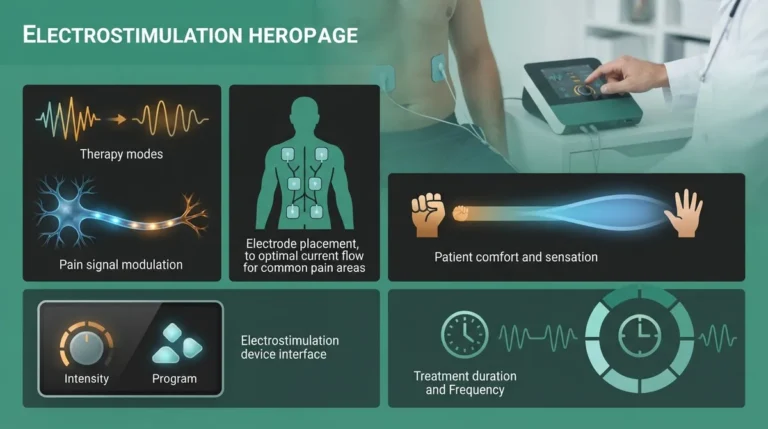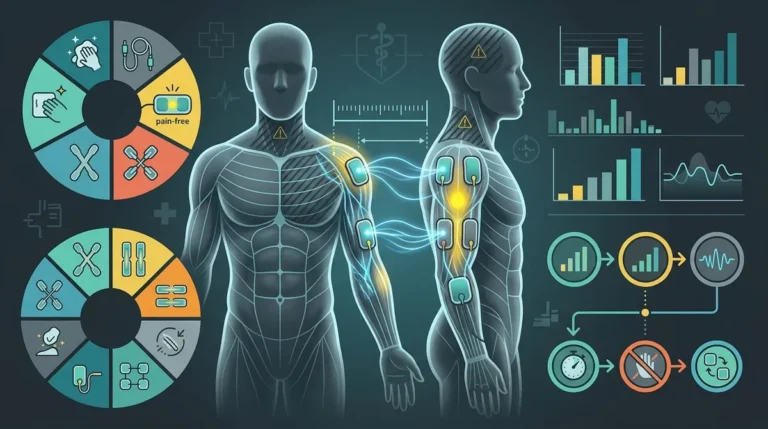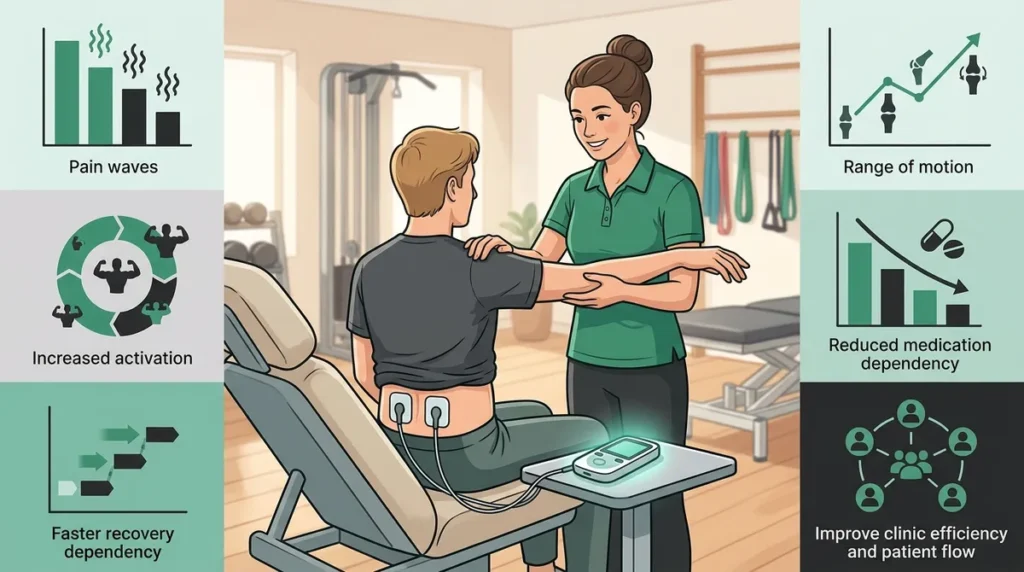
Key Takeaways
-
TENS units provide drug-free, noninvasive pain relief that aligns with FDA guidance to reduce opioid reliance, making them essential for Long Beach clinics serving patients who prefer to minimize pharmaceutical interventions.
-
TENS sessions are time-efficient (10-15 minutes in-clinic) and portable, allowing easy integration into standard therapy appointments and enabling clinics to prescribe home-use devices for extended therapeutic benefit between visits.
-
TENS is most effective as part of a comprehensive, multi-modal rehabilitation program combined with manual therapy, therapeutic exercise, and patient education rather than as a standalone treatment.
-
TENS units have broad clinical applicability across common conditions including chronic low back pain, osteoarthritis, tendinitis, fibromyalgia, and peripheral neuropathy, allowing a single modality to serve many patient cases and improve equipment utilization.
-
Clinics must implement rigorous pre-treatment screening protocols to identify contraindications such as pacemakers, epilepsy history, pregnancy, and cardiac conditions to ensure patient safety and minimize liability.
-
Evidence for TENS effectiveness in long-term chronic low back pain lasting three months or longer is mixed; clinics should position TENS as one component of broader therapeutic strategy rather than a definitive cure to build patient trust.
Physical therapy clinics in Long Beach operate in a competitive, patient-centered environment where treatment outcomes directly impact reputation and retention. As providers seek effective, noninvasive tools to complement hands-on rehabilitation, TENS units for physical therapy clinics in Long Beach have become a cornerstone modality for managing acute and chronic pain. Transcutaneous electrical nerve stimulation (TENS) delivers low-voltage electrical currents through skin-placed electrodes, offering targeted, drug-free pain relief that supports a wide range of rehabilitation programs. Whether a clinic is treating post-surgical patients, athletes recovering from soft tissue injuries, or individuals managing long-term conditions like fibromyalgia or osteoarthritis, TENS technology provides a versatile, evidence-informed option. This article outlines six compelling reasons why Long Beach physical therapy clinics should integrate TENS units into their clinical toolkit — and how doing so positions providers for better patient outcomes and practice growth.
What Is TENS Therapy and How Does It Work?
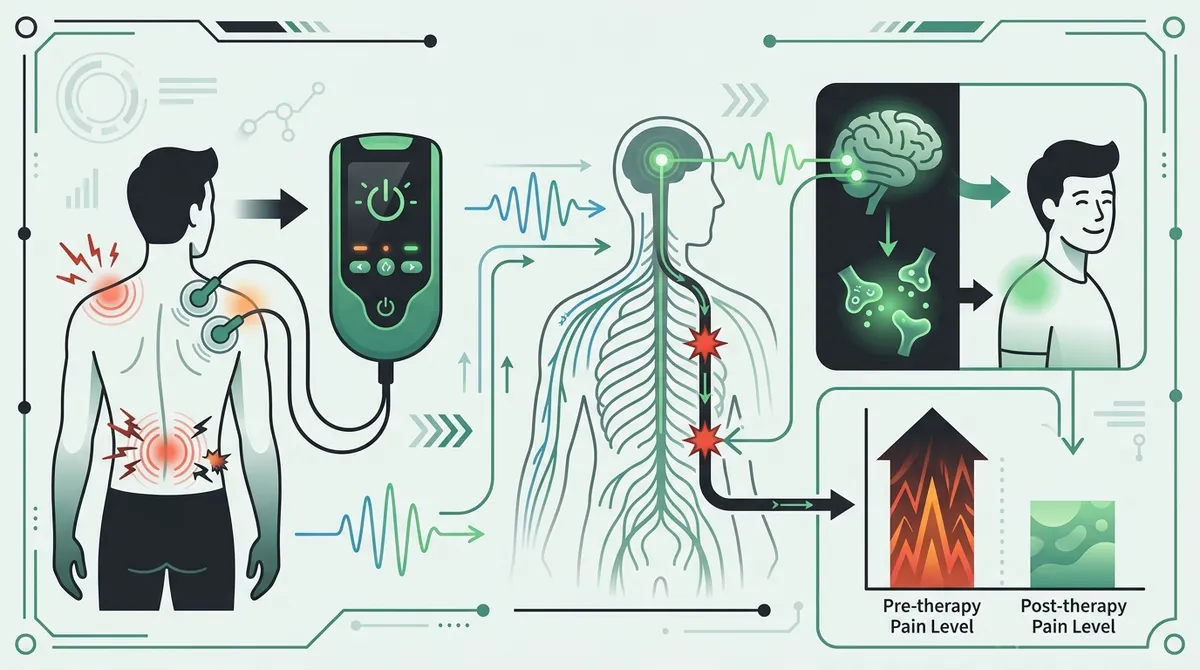
TENS stands for transcutaneous electrical nerve stimulation. It is a noninvasive electrotherapy modality that uses low-voltage electrical impulses delivered through electrodes placed on the surface of the skin. These electrical signals are thought to interfere with pain signal transmission along nerve pathways, reducing the perception of pain in the brain. Some theories also suggest TENS promotes the release of endorphins, the body’s natural pain-relieving chemicals.
According to the Cleveland Clinic, most patients report pain relief beginning almost immediately during a TENS session, though relief may diminish within approximately one hour after the session ends. This positions TENS as an effective adjunct therapy — particularly valuable when used alongside manual therapy, therapeutic exercise, and other rehabilitative interventions. Physical therapy clinics that understand TENS therapy’s mechanism can set realistic patient expectations and integrate sessions strategically within broader treatment plans.
6 Reasons TENS Units Are Essential for Long Beach PT Clinics
1. Noninvasive, Drug-Free Pain Management
One of the most significant benefits of TENS therapy is that it provides pain relief without medication. As national health authorities continue to emphasize reducing opioid reliance, noninvasive alternatives have gained considerable clinical relevance. The FDA has actively issued guidance to expand non-opioid options for chronic pain management, making electrotherapy modalities like TENS an increasingly important part of the clinical conversation. For Long Beach PT clinics treating patients who prefer to minimize pharmaceutical interventions, TENS offers a compelling, evidence-informed alternative.
Clinics can also explore complementary equipment such as Conductive Garments that work with TENS devices to deliver stimulation across broader surface areas, making treatment more comfortable and efficient for patients with widespread pain presentations.
2. Broad Clinical Applicability Across Common Conditions
TENS units are clinically relevant for a wide spectrum of musculoskeletal and neurological conditions commonly seen in outpatient physical therapy settings. Long Beach PT clinics regularly encounter patients presenting with the following conditions that respond well to TENS therapy:
- Chronic and acute low back pain
- Osteoarthritis of the knee, hip, or shoulder
- Tendinitis and overuse injuries
- Fibromyalgia and widespread musculoskeletal pain
- Peripheral neuropathy
- Bursitis and joint inflammation
This breadth of applicability means clinics can use a single modality type across many patient cases, improving equipment utilization and streamlining clinical workflows. Providers treating auto accident injury patients — a common patient population in Southern California — will also find TENS particularly useful for managing whiplash, soft tissue damage, and post-collision back pain during the recovery phase.
3. Efficient In-Clinic Session Integration
TENS sessions are practical and time-efficient. In-clinic sessions typically last between 10 and 15 minutes, according to data from physical therapy providers, though session length can vary based on patient needs and device settings. This makes TENS easy to incorporate into a standard therapy appointment without significantly extending session time or disrupting scheduling workflows.
The table below summarizes typical TENS session parameters for in-clinic use:
| Parameter | Typical Range | Notes |
|---|---|---|
| Session Duration | 10–60 minutes | In-clinic PT sessions often use 10–15 minutes |
| Frequency of Sessions | 1–3 times per day | Varies by condition and provider guidance |
| Electrode Placement | On or near the pain site | Adjusted based on patient anatomy and condition |
| Pain Relief Onset | During or immediately after session | Relief may diminish approximately 1 hour post-session |
| Device Portability | Compact, handheld | Suitable for clinic use and supervised home programs |
Because TENS is portable, clinics can also prescribe home-use devices for patients to continue therapy between appointments, extending the therapeutic benefit beyond clinic walls. For clinics exploring equipment options, the Devices catalog from Liberty Medical Solutions offers a range of clinical-grade TENS units suited to outpatient rehabilitation environments.
4. Supports Multi-Modal Rehabilitation Programs
In physical therapy, TENS is most effective when used as part of a comprehensive, multi-modal rehabilitation program rather than as a standalone solution. Clinics that combine TENS with manual therapy, therapeutic exercise, neuromuscular re-education, and patient education deliver a more complete care experience. This integrated approach aligns with best practices in rehabilitation medicine and helps address both the symptomatic and root-cause dimensions of a patient’s condition.
For clinics that also manage patients with spinal dysfunction or post-injury instability, pairing TENS with supportive equipment such as Back Braces can enhance structural support during recovery. Similarly, patients with cervical complaints may benefit from the addition of cervical traction units to a treatment plan that already incorporates TENS for pain modulation.
The following table outlines how TENS complements other common PT modalities:
| Modality | Primary Role | How TENS Complements It |
|---|---|---|
| Manual Therapy | Joint mobilization, soft tissue work | TENS pre-treatment reduces pain, improving patient tolerance |
| Therapeutic Exercise | Strength, mobility, endurance | TENS post-exercise helps manage soreness and inflammation |
| Cervical Traction | Decompression of cervical spine | TENS reduces accompanying neck or arm pain during traction |
| Back Bracing | Lumbar support and stabilization | TENS addresses pain while brace supports structural recovery |
| Patient Education | Self-management strategies | Home TENS units empower patients between clinic visits |
5. Addressing Long Beach’s Chronic Pain Patient Population
Chronic pain is a significant public health challenge. The National Institutes of Health has reported high rates of persistent chronic pain among U.S. adults, underscoring the need for accessible, effective management strategies. Long Beach, as a large urban city with a diverse patient population, reflects these national trends. Physical therapy clinics in the area regularly treat patients with long-standing musculoskeletal complaints, many of whom are seeking noninvasive options after unsatisfactory results from medication-only approaches.
It is important to note that while TENS is effective for symptomatic relief, evidence for its efficacy in chronic low back pain lasting three months or longer is mixed. The American Academy of Neurology has concluded that TENS has not shown consistent effectiveness for long-term chronic low back pain. Clinicians should communicate this clearly to patients and position TENS as one component of a broader therapeutic strategy rather than a definitive cure. This honest, evidence-based approach builds patient trust and strengthens a clinic’s professional credibility.
Clinics looking to expand their chronic pain management resources can explore related guides such as Why Do LA Physical Therapy Clinics Need TENS Units? and 12 Reasons TENS Units Are Essential for San Diego PT Clinics for regional perspectives on electrotherapy integration.
6. Patient Safety and Appropriate Screening Protocols
A well-run physical therapy clinic ensures that TENS is applied appropriately and safely. Not every patient is a suitable candidate for TENS therapy. Clinicians must screen for contraindications before initiating treatment. The following are the primary patient groups for whom TENS is generally not recommended:
- Patients with implanted electronic devices such as pacemakers or defibrillators
- Individuals with a history of epilepsy
- Pregnant patients, particularly when electrode placement is near the abdomen or lower back
- Patients with certain heart conditions or cardiac arrhythmias
- Individuals with skin conditions or open wounds at the intended electrode site
Establishing standardized screening intake protocols ensures patient safety and minimizes liability. Physical therapy clinics in Long Beach that implement rigorous pre-treatment assessments demonstrate clinical excellence and build confidence among patients and referring providers alike. Documenting contraindication screenings also supports compliance with insurance documentation requirements — a practical consideration for clinics billing through commercial PPO/POS plans, workers’ compensation, or auto accident claims.
Selecting the Right TENS Equipment for Your Long Beach PT Clinic
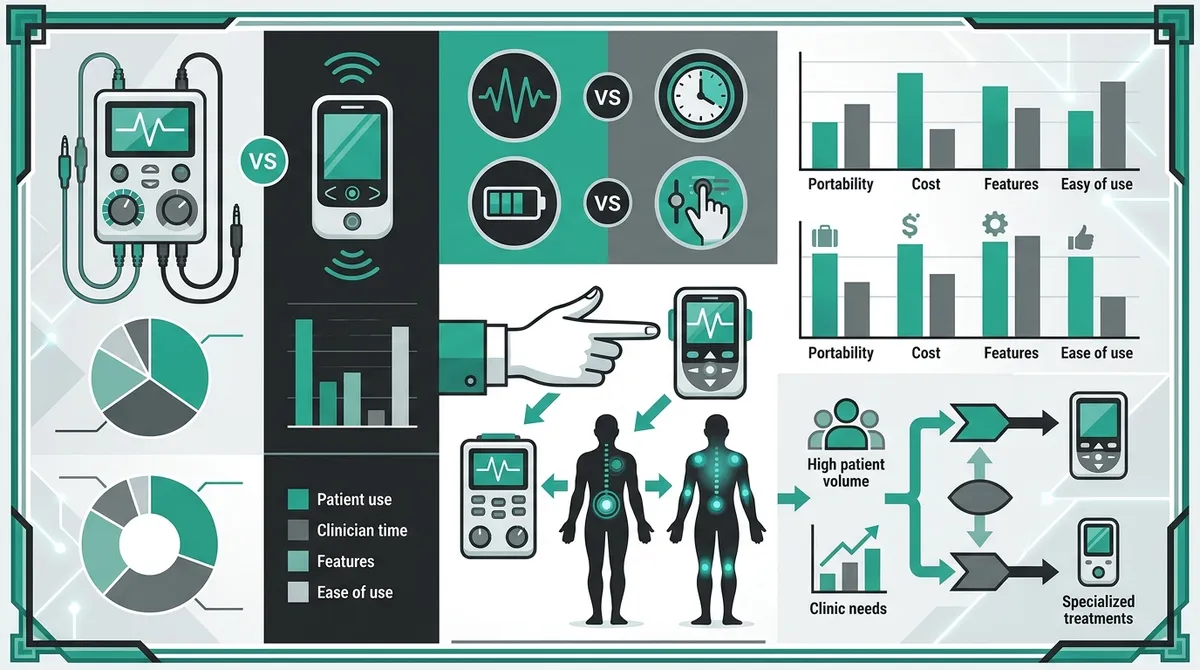
Not all TENS devices are created equal. Physical therapy clinics require clinical-grade equipment with reliable output, adjustable parameters, and durable construction capable of withstanding high-volume daily use. Key features to evaluate when selecting TENS units for physical therapy clinics in Long Beach include pulse width control, frequency range, channel capacity, battery life, and ease of electrode connectivity.
Clinics should also consider whether they plan to use TheraKnit Garments or other conductive accessories alongside their TENS devices, as compatibility between the unit and electrode accessories affects both treatment quality and patient comfort. Sourcing equipment from a specialized electrotherapy provider ensures access to properly matched components and clinical support.

How Liberty Medical Solutions Supports Long Beach PT Clinics
Liberty Medical Solutions is a Tampa-based electrotherapy equipment provider that serves physical therapy clinics, chiropractic practices, and auto accident injury clinics nationwide, including providers throughout Southern California. The company offers a curated portfolio of clinical-grade TENS units, back braces, cervical traction units, and conductive garments designed to meet the diverse needs of rehabilitation providers.
What distinguishes Liberty Medical Solutions is its ability to work directly with insurance plans — including commercial PPO/POS, workers’ compensation, and auto accident claims — to facilitate patient access to electrotherapy equipment. This is particularly relevant for Long Beach PT clinics that serve patients with auto accident injuries or work-related musculoskeletal conditions. Providers interested in expanding their electrotherapy capabilities can explore the full Products catalog or review related clinical guides such as TENS Units for Physical Therapy Clinics in San Jose and TENS Units for Physical Therapy Clinics in Fresno for additional clinical context.
Comparing TENS to Other Common Electrotherapy Modalities
Understanding where TENS fits within the broader electrotherapy landscape helps clinicians make informed equipment decisions. The table below provides a comparative overview of TENS alongside other commonly used electrotherapy modalities in physical therapy settings:
| Modality | Primary Application | Mechanism | Typical Use Case in PT |
|---|---|---|---|
| TENS | Pain relief | Electrical nerve stimulation via skin electrodes | Acute and chronic pain management |
| NMES (Neuromuscular Electrical Stimulation) | Muscle re-education | Motor nerve stimulation to elicit muscle contraction | Post-surgical muscle atrophy recovery |
| Interferential Current (IFC) | Deep tissue pain relief | Two medium-frequency currents intersecting at target tissue | Deeper musculoskeletal conditions |
| Ultrasound Therapy | Tissue healing | Sound wave energy for thermal and mechanical effects | Soft tissue repair and tendon healing |
TENS remains one of the most accessible, cost-effective, and patient-friendly options among these modalities, making it a logical starting point — or continuing staple — for clinics at any stage of practice development. For additional guidance on selecting the right TENS equipment for different clinical environments, resources such as How to Choose TENS Units for Physical Therapy Clinics in Sacramento and How to Choose TENS Units for Physical Therapy Clinics in Schenectady offer practical decision-making frameworks applicable across practice types.
Steps to Successfully Integrate TENS Into Your Long Beach PT Practice
Integrating TENS therapy effectively requires deliberate planning. The following steps outline a structured approach for Long Beach physical therapy clinics looking to add or optimize TENS use in their practices:
- Assess your patient population to identify which conditions would most benefit from TENS therapy and establish clinical priorities.
- Develop standardized intake screening forms that identify contraindications, including questions about implanted devices, epilepsy, pregnancy, and cardiac conditions.
- Source clinical-grade TENS equipment from a reputable electrotherapy provider that can support insurance documentation and equipment customization.
- Train clinical staff on proper electrode placement protocols, device settings, and session documentation requirements.
- Create patient education materials explaining the purpose of TENS therapy, realistic expectations for pain relief duration, and instructions for any prescribed home-use programs.
- Monitor and document outcomes using standardized pain scales and functional assessments to evaluate TENS effectiveness across your patient population.
Conclusion
TENS units for physical therapy clinics in Long Beach represent a proven, versatile, and patient-friendly modality that supports comprehensive rehabilitation care. From drug-free pain management and broad clinical applicability to efficient session integration and multi-modal treatment synergy, TENS technology offers tangible benefits for both providers and patients. By implementing appropriate screening protocols, selecting quality equipment, and positioning TENS within a holistic care framework, Long Beach PT clinics can elevate their standard of care while meeting the growing demand for noninvasive pain management solutions.
To explore clinical-grade TENS units and complementary electrotherapy equipment tailored to your practice’s needs, get in touch with the team at Liberty Medical Solutions and take the next step toward expanding your clinic’s rehabilitation capabilities.
FAQs
Q: What are TENS units used for in physical therapy clinics?
A: TENS units are used in physical therapy clinics to deliver low-voltage electrical impulses through skin electrodes, providing noninvasive pain relief for conditions such as back pain, osteoarthritis, tendinitis, fibromyalgia, and peripheral neuropathy. They are most effective when used as an adjunct to other rehabilitative interventions including manual therapy and therapeutic exercise.
Q: How long does a TENS therapy session typically last in a PT clinic?
A: In a physical therapy clinic setting, TENS sessions commonly last between 10 and 15 minutes, though total duration can range from 10 to 60 minutes depending on the patient’s condition and device settings. Most patients experience pain relief during or immediately after the session, with relief potentially diminishing within approximately one hour post-treatment.
Q: Is TENS therapy safe for all patients in a Long Beach physical therapy clinic?
A: TENS therapy is not appropriate for every patient. Clinicians must screen for contraindications including implanted electronic devices such as pacemakers or defibrillators, a history of epilepsy, pregnancy, and certain heart conditions before initiating treatment. Establishing standardized intake screening protocols is essential to ensure patient safety and clinical compliance.
Q: Can TENS units be used for chronic low back pain in physical therapy?
A: While TENS can provide temporary symptomatic relief for low back pain, evidence for its consistent effectiveness in chronic low back pain lasting three months or longer is mixed. The American Academy of Neurology has noted it has not demonstrated reliable effectiveness for long-term chronic low back pain, making it most appropriate as one component of a comprehensive, multi-modal rehabilitation program.
Q: How can a Long Beach PT clinic source clinical-grade TENS units?
A: Long Beach physical therapy clinics can source clinical-grade TENS units through specialized electrotherapy providers such as Liberty Medical Solutions, which offers a curated portfolio of devices designed for rehabilitation environments. Working with a dedicated provider also facilitates insurance documentation support for patients covered under commercial PPO/POS plans, workers’ compensation, or auto accident claims.