Key Takeaways
-
Sacramento PT clinics should prioritize FDA-compliant TENS units with adjustable parameters (frequency, pulse width, intensity) and multi-channel capability to treat diverse patient populations effectively and support insurance billing.
-
TENS therapy sessions should last minimum 30 minutes and be integrated with therapeutic exercise and manual therapy—not used as standalone treatment—to maximize functional outcomes for chronic pain, osteoarthritis, and post-accident injuries.
-
Clinics managing auto accident and workers' compensation cases benefit significantly from TENS documentation, which supports insurance reimbursement when paired with proper diagnosis codes, physician orders, and functional goal documentation.
-
Screen patients for contraindications (pacemakers, pregnancy, broken skin) and educate them on expected sensations before treatment; maintain hygiene standards using single-patient-use electrodes or anatomically-fitted conductive garments.
-
Combining professional-grade clinical TENS units with prescription home-use devices allows therapists to provide in-clinic treatment while extending therapy between appointments, improving patient engagement and compliance.
-
Work with specialized electrotherapy suppliers offering insurance coordination support to streamline procurement, reduce administrative burden, and ensure access to compliant devices suited for both clinical and home-use programs.
Physical therapy clinics in Sacramento face a growing demand for effective, drug-free pain management solutions. With chronic pain affecting millions of Americans — as documented by the National Institutes of Health — clinicians are under increasing pressure to integrate evidence-based, non-pharmacological modalities into their rehabilitation protocols. TENS units for physical therapy clinics in Sacramento have emerged as a practical, clinically supported tool for achieving that goal. Understanding how to select the right devices, use them appropriately, and source them from a reliable provider can meaningfully improve patient outcomes and clinic efficiency.
What Is a TENS Unit and How Does It Work?
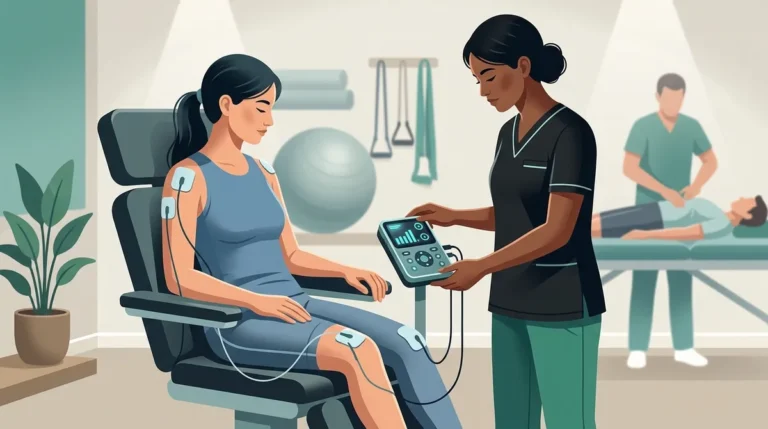
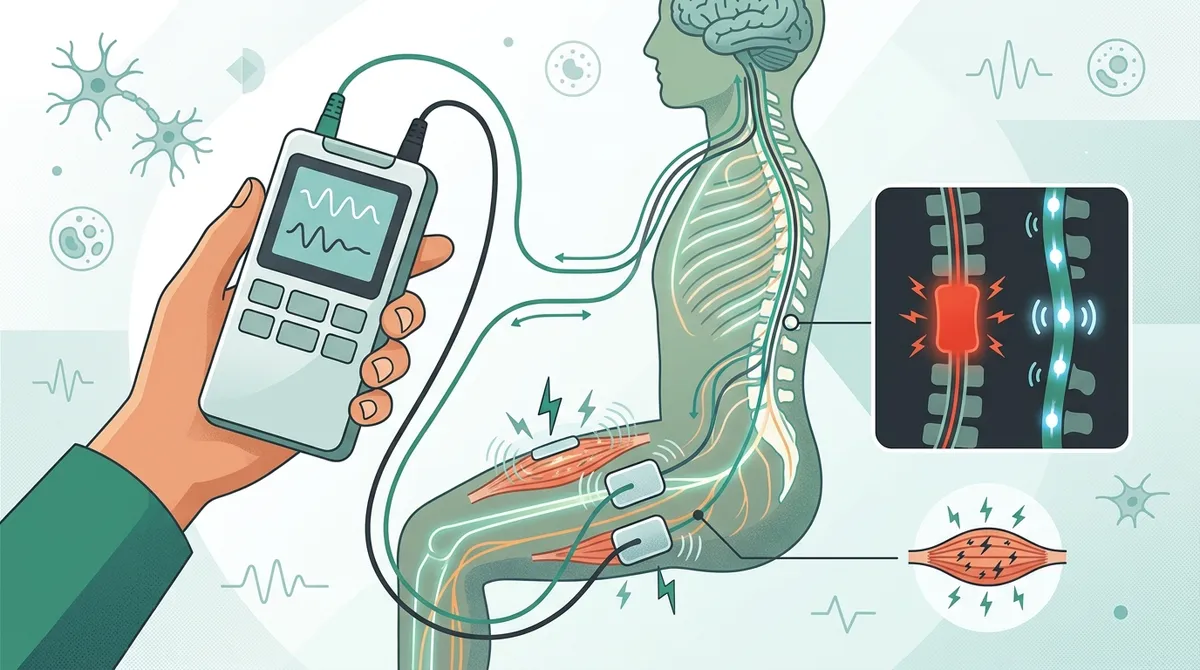
TENS stands for transcutaneous electrical nerve stimulation. The technology delivers low-voltage electrical pulses through adhesive electrodes placed on the skin, targeting the nerve pathways near the area of pain. These electrical signals are designed to interfere with pain transmission, providing relief without medication. The Cleveland Clinic recognizes TENS as a clinically applied modality for conditions including osteoarthritis, fibromyalgia, low back pain, and tendinitis.
It is important to distinguish TENS from other electrical modalities. TENS is specifically focused on pain modulation — it does not generate muscle contractions. That function belongs to neuromuscular electrical stimulation (NMES) or electrical muscle stimulation (EMS). For Sacramento physical therapy clinics building a comprehensive electrotherapy toolkit, understanding this distinction ensures patients receive the right intervention for their condition. For additional clinical guidance, providers can explore the full range of Products available through Liberty Medical Solutions.
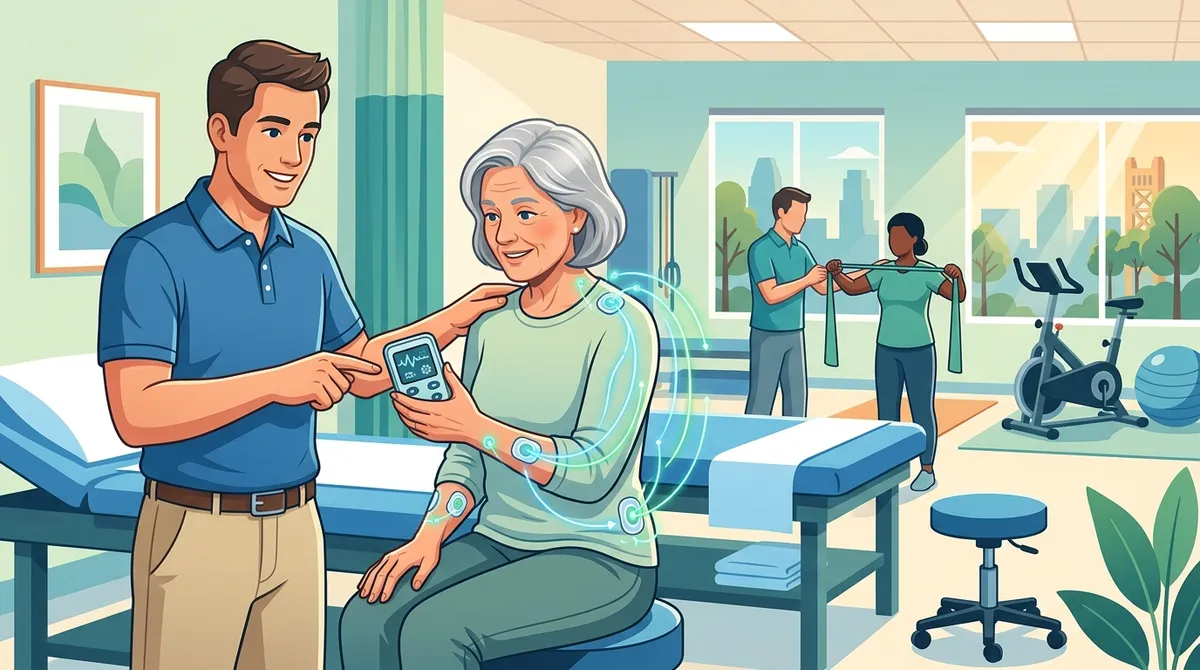
Why Sacramento Physical Therapy Clinics Are Integrating TENS
Sacramento’s patient population spans a wide range of conditions — from post-surgical rehabilitation and sports injuries to auto accident recovery and age-related musculoskeletal conditions. TENS units offer a versatile, non-invasive adjunct that complements manual therapy, therapeutic exercise, and other rehabilitation interventions. Research cited by clinical education platforms such as Hinge Health indicates TENS may reduce pain sufficiently to improve patient tolerance and engagement with rehabilitative exercises, which is a primary functional goal in physical therapy settings.
Clinics treating auto accident injury patients in the Sacramento area also benefit significantly from TENS integration. Soft tissue injuries, whiplash, and back pain related to motor vehicle accidents respond well to electrotherapy modalities, and documentation of TENS use can support insurance billing for those cases. Providers managing workers’ compensation claims and auto accident patients should consider pairing TENS units with supportive equipment such as Back Braces to deliver more complete care plans.
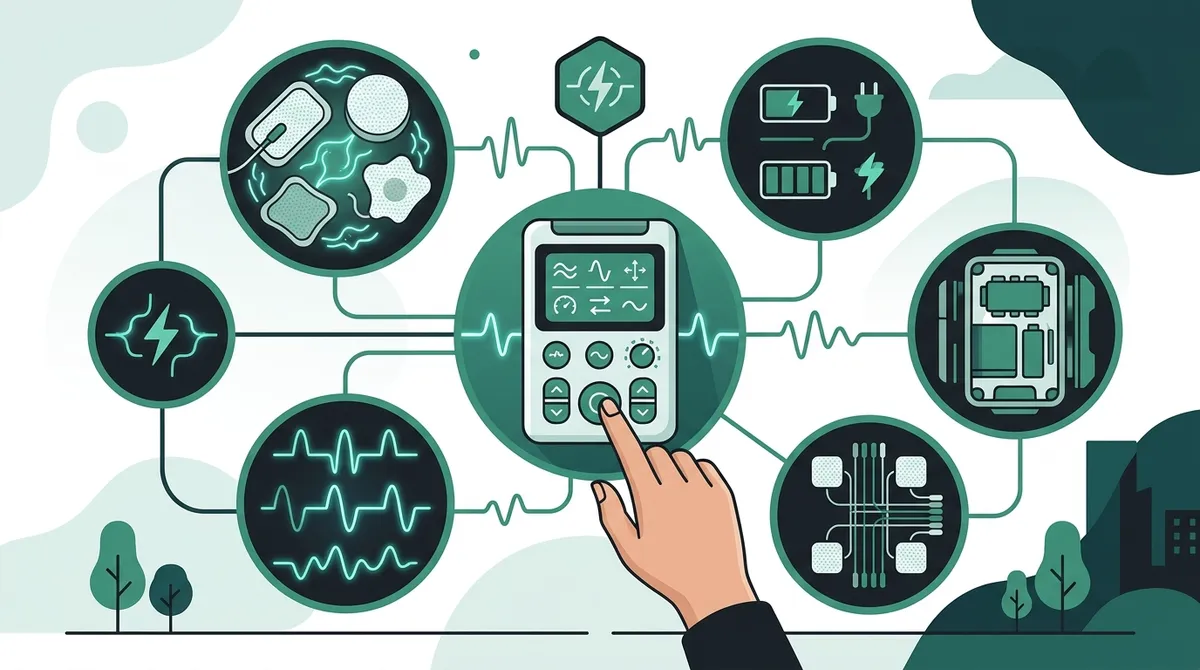
Key Features to Evaluate When Selecting TENS Units
Choosing the right TENS unit for a clinical environment requires more than simply comparing price points. Physical therapy clinics in Sacramento should evaluate devices based on clinical functionality, regulatory compliance, and patient usability. Below is a summary of the essential features to assess.
| Feature | Why It Matters for Clinics | What to Look For |
|---|---|---|
| FDA Compliance | Ensures device safety and legal sale in the U.S. | FDA-cleared or registered device classification |
| Waveform and Frequency Settings | Different conditions respond to different parameters | Adjustable pulse width, frequency, and intensity |
| Number of Channels | Multi-channel units treat multiple areas simultaneously | Dual-channel or four-channel configurations |
| Electrode Compatibility | Affects placement flexibility and treatment areas | Compatibility with various electrode sizes and types |
| Durability and Build Quality | Clinical use requires reliable, robust devices | Reinforced housing, quality cable connections |
| Battery Life and Power Source | Continuous clinical use demands reliable power | Rechargeable battery or standard power options |
All TENS devices sold legally in the United States are regulated by the FDA, which requires manufacturers to meet safety and labeling standards before market entry. Sacramento clinics should verify FDA compliance before purchasing any device and should only source equipment through reputable medical device suppliers.
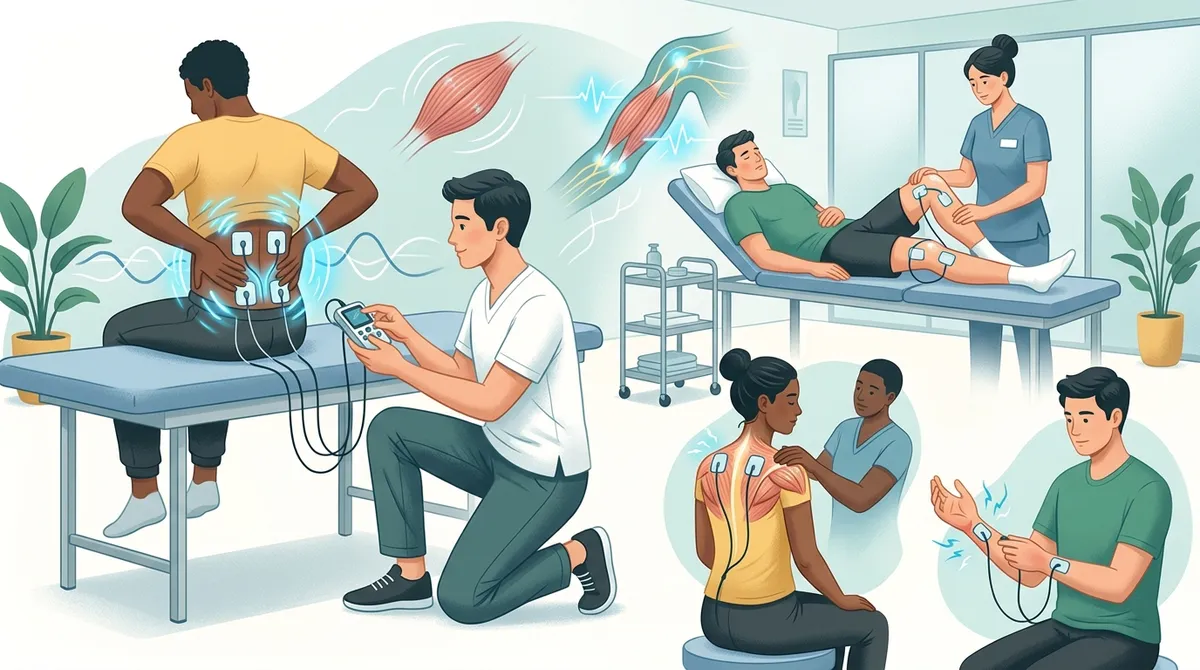
Clinical Conditions Commonly Treated with TENS in PT Settings
Physical therapists in Sacramento regularly encounter patients with a diverse array of pain conditions that respond well to TENS therapy. The following conditions are among the most frequently treated with TENS in clinical rehabilitation settings:
- Chronic low back pain: One of the most prevalent reasons patients seek physical therapy, and a primary application for TENS therapy in both acute and chronic presentations.
- Osteoarthritis: Particularly in knee and hip joints, TENS can reduce pain and support better participation in strengthening exercises.
- Tendinitis and soft tissue injuries: Including rotator cuff issues, Achilles tendinitis, and lateral epicondylalgia.
- Fibromyalgia: TENS is recognized by clinical authorities as a modality that may provide symptomatic relief for diffuse musculoskeletal pain.
- Post-accident soft tissue injuries: Whiplash, thoracic strain, and lumbar injuries commonly seen in auto accident recovery cases.
- Post-surgical pain: As part of a monitored rehabilitation protocol following orthopedic procedures.
For Sacramento clinics also offering cervical care, pairing TENS with cervical traction and appropriate Conductive Garments can offer a more targeted and effective approach to neck and upper back pain management.
How to Implement TENS Therapy Effectively in Your Clinic
Purchasing TENS units is only the first step. Implementing them effectively within a clinical workflow requires attention to proper protocols and patient education. The following step-by-step process provides a framework for Sacramento physical therapy clinics integrating TENS into their practice.
- Conduct a thorough patient assessment: Identify whether TENS is appropriate based on diagnosis, contraindications (such as pacemaker use, pregnancy, or broken skin), and treatment goals.
- Educate the patient on the procedure: Explain what the electrical stimulation will feel like, set appropriate expectations, and address any concerns before initiating the session.
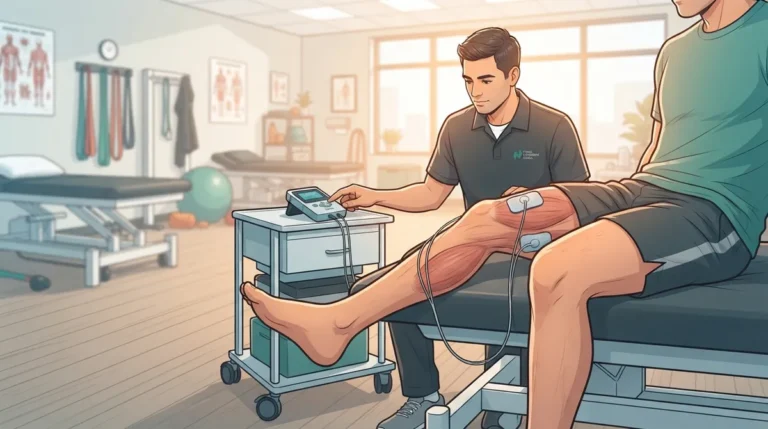
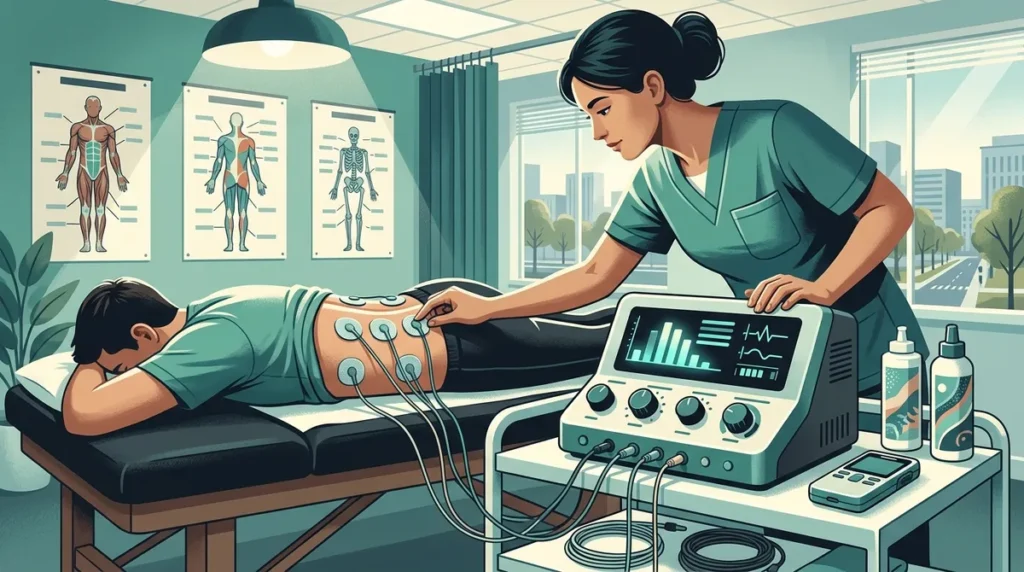
- Prepare the skin and apply electrodes correctly: Clean the treatment area, select the appropriate electrode size, and follow established placement guidelines for the targeted nerve pathway or pain region.
- Set appropriate device parameters: Adjust frequency, pulse width, and intensity to a level that provides a comfortable tingling sensation without discomfort or muscle contraction.
- Monitor the session and document outcomes: Observe the patient during treatment, record session duration (clinical guidance recommends a minimum of 30 minutes for chronic pain), and document patient-reported outcomes for progress tracking.
- Integrate TENS with other interventions: Use TENS as an adjunct to therapeutic exercise and manual therapy for maximum functional benefit, not as a standalone treatment.
For clinicians interested in broadening their electrotherapy knowledge across different clinical settings, resources such as TENS Units for Physical Therapy Clinics in Fresno and TENS Units for Physical Therapy Clinics in San Jose offer region-specific insights applicable across California’s physical therapy landscape.
Comparing TENS Unit Types for Clinical Use
Not all TENS units are designed with clinical use in mind. Understanding the differences between device categories helps Sacramento clinics make informed purchasing decisions that align with their caseload and budget.
| Device Type | Best Suited For | Key Advantages | Considerations |
|---|---|---|---|
| Professional Clinical TENS Units | In-clinic use by licensed therapists | Advanced parameter control, multi-channel output, durable build | Higher upfront cost |
| Prescription Home-Use TENS Units | Patient home therapy programs | Portable, easy-to-use, insurance-eligible | Limited parameter range compared to clinical devices |
| Combination TENS/NMES Units | Clinics treating neuromuscular conditions alongside pain | Dual functionality for pain relief and muscle re-education | Requires staff training on dual modality use |
Many Sacramento clinics elect to maintain a combination of professional-grade clinical units and prescription home-use devices. This allows therapists to administer treatment in the clinic while also providing patients with take-home units to extend their therapy between appointments. Liberty Medical Solutions supports this model by offering FDA-compliant TENS devices suited for both clinical and patient home-use programs, with insurance billing support for qualifying cases.
Insurance and Reimbursement Considerations for Sacramento Clinics
One of the most practical concerns for physical therapy clinics considering TENS integration is reimbursement. Understanding how TENS therapy and related equipment are covered under various insurance frameworks is essential for financial sustainability.
| Insurance Type | Coverage Considerations | Documentation Requirements |
|---|---|---|
| Commercial PPO/POS Plans | May cover TENS units and supplies with out-of-network benefits | Physician prescription, diagnosis codes, clinical necessity notes |
| Workers’ Compensation | Often covers electrotherapy as part of a rehabilitation plan | Work-related injury documentation, treatment plan authorization |
| Auto Accident / Third-Party Liability | Electrotherapy for accident-related injuries commonly covered | Accident report, treating physician orders, functional goals |
Working with a knowledgeable electrotherapy supplier simplifies the reimbursement process considerably. Liberty Medical Solutions works directly with commercial PPO/POS plans, workers’ compensation, and auto accident claims, helping Sacramento clinics and their patients access TENS devices and supplies with appropriate insurance coordination. This support is particularly valuable for clinics managing high volumes of post-accident and occupational injury cases.
Clinics interested in seeing how peer practices across California navigate the same decisions can review resources like Why Do Sacramento Chiropractors Rely on TENS Units? and 9 Reasons SF Physical Therapy Clinics Need TENS Units for additional context. For clinics throughout the broader California region, the guidance at Why Do LA Physical Therapy Clinics Need TENS Units? also provides relevant strategic framing.
Electrode and Accessory Selection for Optimal Outcomes
The effectiveness of TENS therapy is directly influenced by electrode quality, placement, and maintenance. Physical therapy clinics should invest in high-quality electrodes and understand how accessories affect treatment outcomes.
- Electrode size: Larger electrodes are appropriate for broad muscle groups such as the lumbar region, while smaller electrodes offer precision for localized joints or narrow anatomical areas.
- Electrode material: Conductive carbon or graphite electrodes provide even current distribution. Clinics should evaluate compatibility with their TENS units before bulk purchasing.
- Reusability and hygiene: In clinical settings, single-patient-use electrodes are recommended to prevent cross-contamination and maintain hygiene standards.
- Conductive garments as an alternative: For patients requiring consistent, anatomically precise electrode positioning — particularly over the back or knee — TheraKnit Garments offer a practical, comfortable alternative to standard adhesive electrodes.
The CDC actively supports the use of non-opioid therapies for pain management, including electrotherapy modalities, as part of efforts to address chronic pain without reliance on prescription medications. This regulatory and public health context reinforces the clinical value of TENS integration for Sacramento physical therapy practices committed to evidence-based, drug-free care.
Conclusion
Selecting and implementing TENS units for physical therapy clinics in Sacramento is a clinical and operational decision that requires careful consideration of device specifications, patient populations, staff protocols, and insurance processes. When chosen correctly and integrated as part of a comprehensive rehabilitation approach, TENS units enhance pain management outcomes, improve patient engagement with exercise therapy, and expand a clinic’s modality offerings in a cost-effective, drug-free manner.
Sacramento physical therapy clinics that partner with a specialized electrotherapy provider gain access to compliant devices, insurance support, and clinical resources that streamline both procurement and billing. Whether your clinic manages post-surgical cases, chronic pain patients, or auto accident injuries, the right electrotherapy equipment makes a measurable difference in care quality. To explore device options and learn how insurance coordination works for your practice, reach out to our team at Liberty Medical Solutions and take the next step toward a more complete electrotherapy program for your Sacramento clinic.
FAQs
Q: What are TENS units used for in physical therapy clinics?
A: In physical therapy clinics, TENS units are used primarily as an adjunct modality for pain relief. They deliver low-voltage electrical pulses through skin electrodes to modulate pain signals along nerve pathways, helping patients manage discomfort from conditions such as low back pain, osteoarthritis, tendinitis, and soft tissue injuries. This pain reduction often improves a patient’s ability to participate actively in therapeutic exercise and rehabilitation programs.
Q: What is the difference between TENS and NMES or EMS devices?
A: TENS (transcutaneous electrical nerve stimulation) is designed specifically for pain modulation — it does not produce muscle contractions. NMES (neuromuscular electrical stimulation) and EMS (electrical muscle stimulation) are distinct modalities used to trigger muscle contractions and support neuromuscular re-education following injury or surgery. Physical therapy clinics may use both types of devices, but they serve fundamentally different clinical purposes.
Q: How long should a TENS session last in a clinical physical therapy setting?
A: Clinical guidance indicates that TENS sessions for chronic pain management are most effective when administered for a minimum of 30 minutes, ideally while the patient is engaged in some level of activity or therapeutic exercise. Session duration and parameters should be determined by the treating clinician based on the patient’s specific diagnosis, pain presentation, and treatment goals.
Q: Are TENS units safe for all patients in a physical therapy clinic?
A: TENS therapy is generally considered safe for most patients when administered correctly under clinical supervision, but there are important contraindications that clinicians must screen for. Patients with implanted electrical devices such as pacemakers, those who are pregnant, individuals with active malignancy over the treatment area, or patients with compromised skin integrity at the electrode site should not receive TENS therapy without medical clearance. A thorough patient assessment before each session is essential.
Q: Can TENS units be covered by insurance for patients at Sacramento physical therapy clinics?
A: Yes, TENS units and associated supplies may be covered under several insurance types, including commercial PPO/POS plans with out-of-network benefits, workers’ compensation, and auto accident or third-party liability claims. Coverage typically requires a physician prescription, documented clinical necessity, and appropriate diagnosis coding. Working with a specialized electrotherapy supplier that has experience with insurance coordination — such as Liberty Medical Solutions — simplifies the reimbursement process for both clinics and patients.