Key Takeaways
-
TENS units are cost-effective, non-invasive tools for pain management that integrate into comprehensive rehabilitation programs, offering Greeley PT clinics a drug-free alternative to pharmacological pain control.
-
Physical therapists can customize TENS treatment by adjusting electrode placement, pulse frequency, and intensity settings to target specific anatomical regions and match individual patient presentations across diverse diagnoses.
-
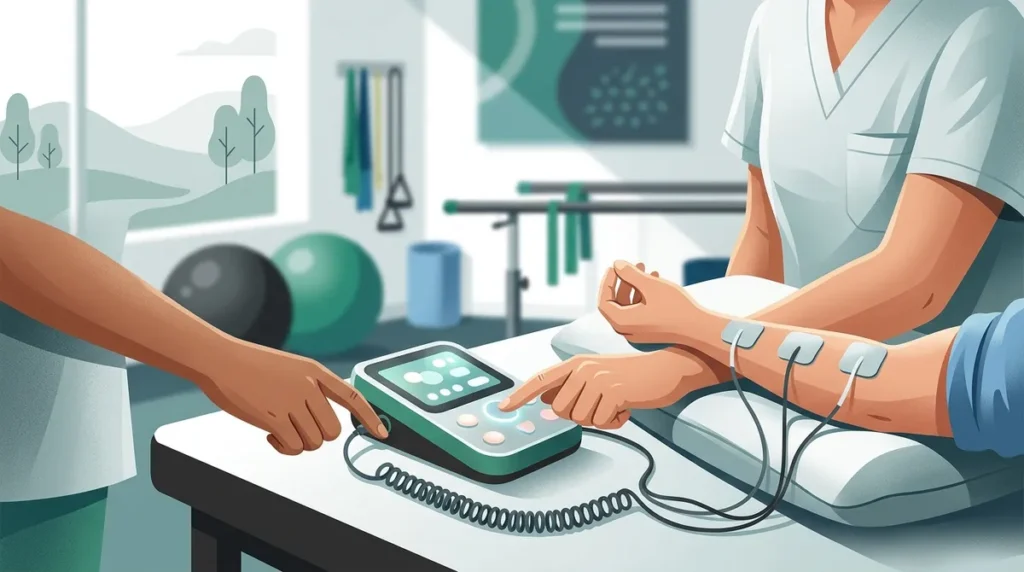
Home TENS programs extend clinical care between sessions and reinforce treatment gains, particularly valuable for chronic pain and post-surgical rehabilitation when patients receive proper electrode placement instruction and documented parameters.
-
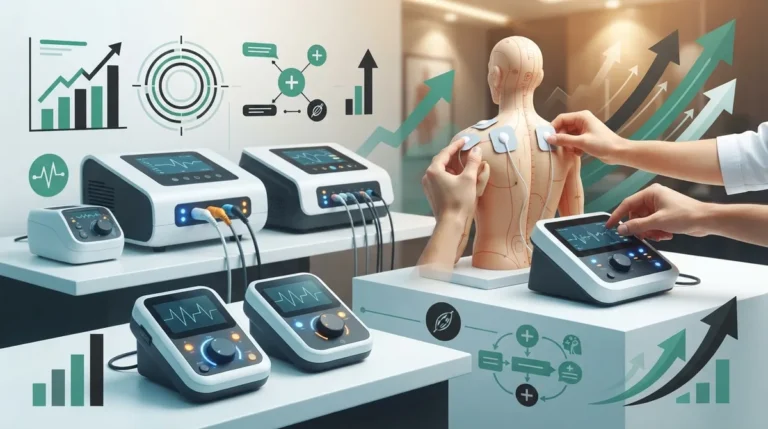
Clinical-grade TENS devices must include multiple channels (2-4), broad frequency range (1-150 Hz), adjustable pulse width (50-300 microseconds), and medical-grade durability to meet daily clinic use demands.
-
TENS differs functionally from EMS: TENS targets sensory nerves for pain reduction (80-150 Hz), while EMS targets motor nerves for muscle contraction and re-education, requiring clinicians to select the appropriate modality for each treatment goal.
-
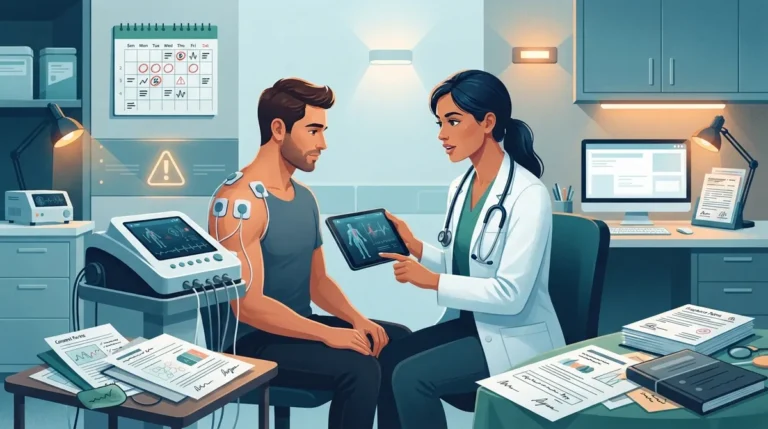
Clinics must screen patients for contraindications including implanted cardiac devices, active malignancy, pregnancy, open wounds, and impaired sensation before TENS application to ensure patient safety.
Physical therapy clinics in Greeley, Colorado, operate in a demanding clinical environment where effective pain management is central to patient outcomes. From post-surgical rehabilitation to chronic musculoskeletal conditions, patients expect measurable relief and functional improvement. TENS units for physical therapy clinics in Greeley represent one of the most practical and cost-effective electrotherapy tools available to meet that demand. Transcutaneous Electrical Nerve Stimulation delivers controlled low-voltage electrical impulses through surface electrodes, modulating pain signals before they reach the brain. The result is a non-invasive, drug-free modality that integrates seamlessly into outpatient rehabilitation programs. For clinic administrators and lead therapists evaluating their equipment inventory, understanding what makes a high-quality TENS unit — and where to source one reliably — is essential to delivering consistent, evidence-informed care to the Greeley patient population.
What Is TENS Therapy and How Does It Work?
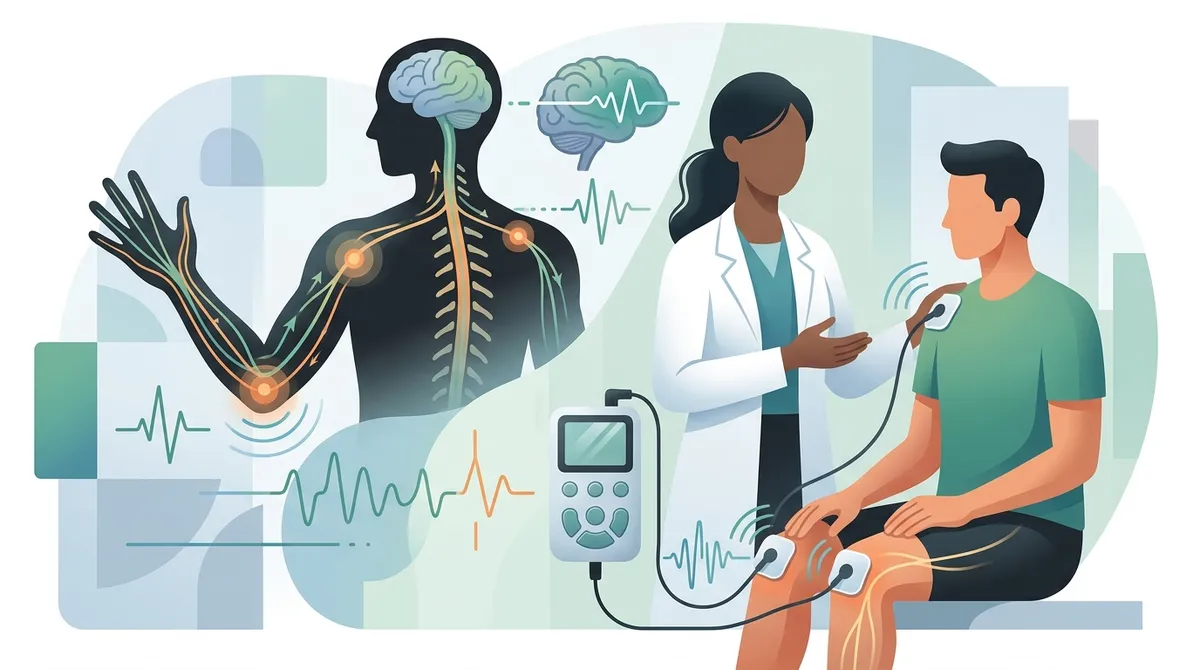
TENS stands for Transcutaneous Electrical Nerve Stimulation, a method of applying low-voltage electrical currents to the body through adhesive surface electrodes. The device stimulates sensory nerve fibers, interfering with pain signal transmission via mechanisms described in gate control theory, where competing nerve input effectively reduces the perception of pain. Secondary effects may include the release of endogenous opioids, contributing to longer-lasting relief in some patients.
According to the Cleveland Clinic, TENS therapy is widely recognized as a non-invasive method for managing both acute and chronic pain, making it a clinically appropriate option across a broad range of rehabilitation diagnoses. Physical therapists in Greeley can apply TENS to target specific anatomical regions by adjusting electrode placement, pulse frequency, and intensity settings to match individual patient presentations.
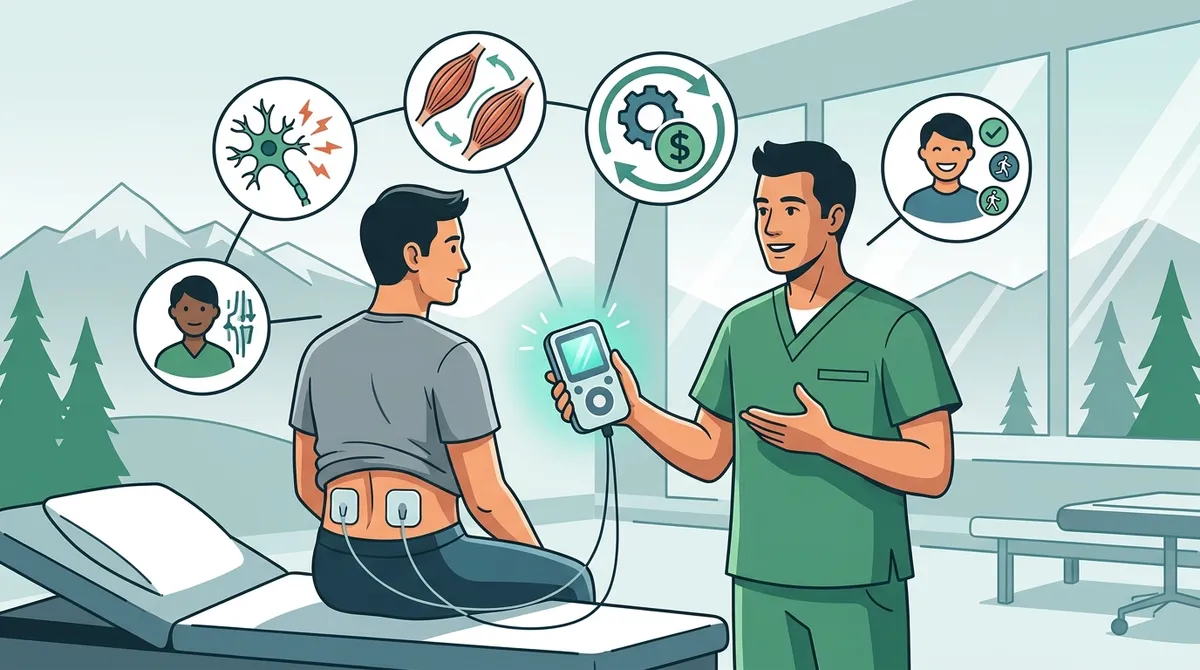
Why Greeley Physical Therapy Clinics Need Quality TENS Equipment
Greeley supports an established rehabilitation landscape that includes providers such as Banner Physical Therapy & Rehabilitation, Select Physical Therapy, UCHealth Rehabilitation Services, and Rocky Mountain Physical Therapy. These clinics serve patients with diverse needs ranging from sports injuries to workplace-related musculoskeletal disorders, post-operative recovery, and auto accident injuries. Equipping these practices with reliable TENS units directly affects the quality and breadth of care they can deliver.
A well-equipped clinic can pair TENS with manual therapy, therapeutic exercise, and patient education to create a comprehensive treatment plan. As noted by WebMD, TENS therapy is not a standalone cure but performs best as part of a multi-modal treatment strategy — precisely the model employed by most outpatient physical therapy practices. Clinics that invest in quality electrotherapy equipment position themselves to achieve better patient retention and satisfaction scores.
Clinical Conditions Commonly Treated with TENS in Greeley PT Settings
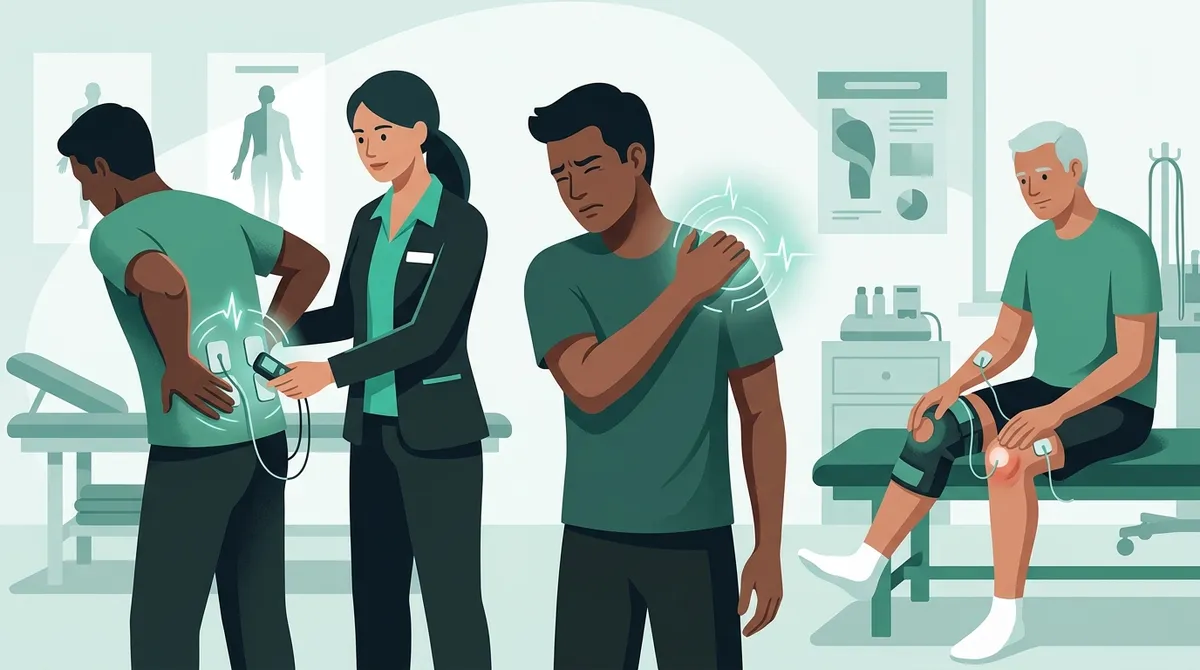
Physical therapists apply TENS across a wide spectrum of diagnoses. The following conditions represent the most common indications seen in outpatient rehabilitation settings throughout Greeley and northern Colorado:
- Chronic low back pain: One of the most prevalent musculoskeletal complaints, often addressed with TENS as a component of a structured rehabilitation program.
- Post-surgical pain management: TENS can reduce dependence on pharmacological pain control following orthopedic procedures such as knee or shoulder surgery.
- Neck pain and cervical conditions: Particularly relevant in combination with cervical traction protocols already in use by many clinics.
- Sports and soft tissue injuries: Acute muscle strains, ligament sprains, and overuse injuries commonly seen in active Greeley patients.
- Auto accident injuries: Whiplash and soft tissue trauma from motor vehicle incidents, a high-volume diagnosis in clinics that work with auto insurance claims.
- Neuropathic pain conditions: Certain peripheral neuropathy diagnoses where conventional pharmacological options are limited or produce undesirable side effects.
The National Institutes of Health reports high rates of persistent chronic pain among U.S. adults, underscoring the importance of accessible, non-opioid pain management options in clinical practice. TENS units offer exactly that flexibility for physical therapy providers.
TENS vs. EMS: Understanding the Difference for Clinical Use
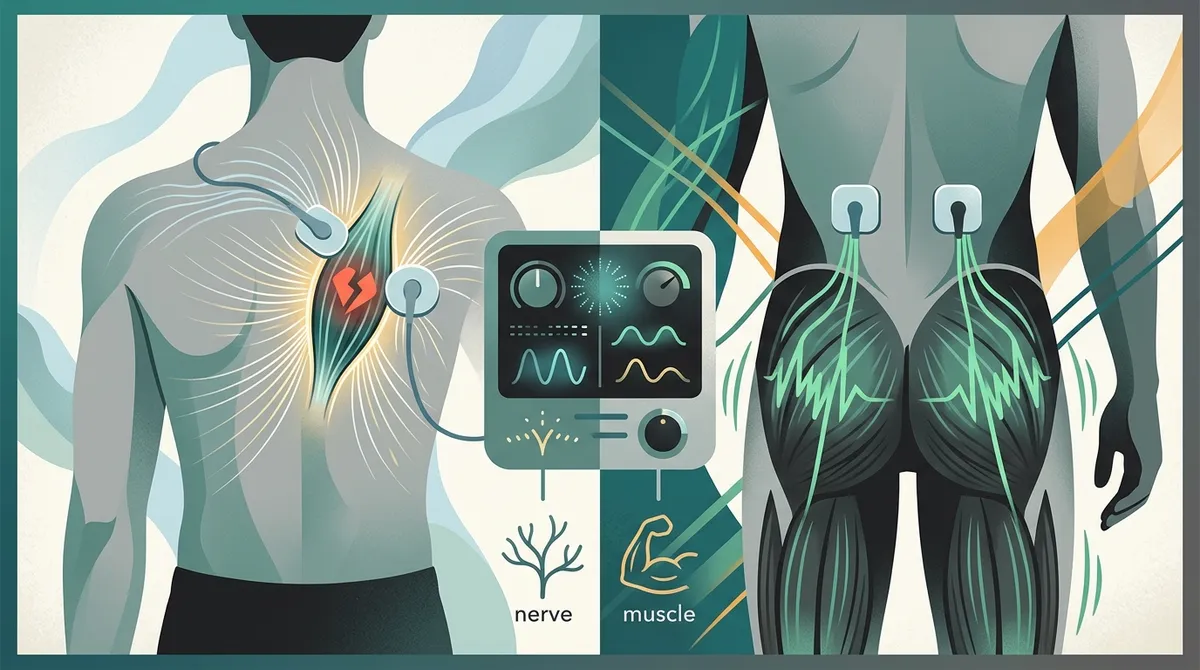
A frequent point of confusion among clinic staff involves the distinction between TENS and Electrical Muscle Stimulation (EMS). While both modalities use electrical current delivered through electrodes, their clinical targets and mechanisms differ significantly. Understanding this distinction ensures that Greeley clinicians select the appropriate device type for each patient and treatment goal.
| Feature | TENS | EMS |
|---|---|---|
| Primary Target | Sensory nerve fibers | Motor nerve fibers / muscle tissue |
| Primary Goal | Pain reduction and relief | Muscle contraction, strengthening, re-education |
| Typical Frequency | 80–150 Hz (high frequency) or 1–10 Hz (low frequency) | Variable, often matched to muscle response needs |
| Clinical Application | Acute and chronic pain management | Post-surgical muscle re-education, atrophy prevention |
| Patient Sensation | Tingling or buzzing sensation | Visible or palpable muscle contraction |
Some advanced clinical devices combine both TENS and EMS capabilities into a single unit, offering clinics greater versatility without requiring multiple devices. For clinics reviewing their electrotherapy product options, combination units can be a cost-effective solution when floor space and budget are both considerations.
Key Features to Look for When Selecting TENS Units for Your Clinic
Not all TENS devices are engineered for clinical use. Consumer-grade units intended for home use often lack the durability, output range, and programmability required in a professional rehabilitation setting. When sourcing TENS units for physical therapy clinics in Greeley, clinic administrators should evaluate the following specifications carefully.
| Feature | Why It Matters for Clinics | Recommended Specification |
|---|---|---|
| Channel Count | Multiple channels allow simultaneous treatment of different body regions | 2–4 independent channels minimum |
| Frequency Range | Broad frequency options support varied treatment protocols | 1–150 Hz adjustable |
| Pulse Width | Controls depth of stimulation and patient comfort | 50–300 microseconds |
| Waveform Options | Different waveforms serve different clinical needs | Symmetrical and asymmetrical biphasic |
| Portability | Supports clinic-to-home continuity of care | Battery-powered with rechargeable option |
| Durability | Clinical devices undergo daily repeated use | Medical-grade housing and components |
| Electrode Compatibility | Flexible electrode options improve clinical versatility | Standard lead connectors, compatible with specialty electrodes |
Clinics that treat a high volume of auto accident or workers’ compensation patients will also benefit from devices that support detailed documentation and consistent reproducibility across sessions. Compatibility with conductive garments and specialty electrode configurations further expands the therapeutic reach of each device.
Extending Care Beyond the Clinic: Home Use TENS Programs
One of the most clinically and operationally valuable attributes of TENS technology is portability. Physical therapists in Greeley can prescribe a patient-use TENS unit as part of a structured home exercise and pain management program, reinforcing clinical gains between sessions. This continuity of care model is particularly valuable for patients managing chronic pain, recovering from injury, or completing post-surgical rehabilitation over extended timelines.
Home TENS programs also create a meaningful touchpoint between the clinic and the patient. When clinicians provide a unit through a trusted electrotherapy supplier and pair it with proper electrode placement instruction, they extend their clinical influence while adding a legitimate service to the patient encounter. Clinical-grade TENS devices designed for patient take-home use maintain the output specifications and safety profiles required for unsupervised use.
The steps below outline a straightforward process for implementing a home TENS program in a Greeley outpatient clinic:
- Assess candidacy: Confirm the patient has no contraindications such as a pacemaker, active implanted device, or pregnancy in the affected region.
- Select appropriate device: Choose a unit with intuitive controls and pre-set programs appropriate for home use while maintaining clinical-grade output.
- Educate on electrode placement: Provide written and demonstrated instructions, including diagrams for the specific diagnosis being managed.
- Define treatment parameters: Set frequency, intensity, and session duration guidelines in writing, aligned with the clinic’s treatment goals.
- Schedule follow-up: Review home TENS use at each subsequent visit and adjust parameters as patient progress dictates.
How Liberty Medical Solutions Supports Greeley PT Clinics
Liberty Medical Solutions is a Tampa-based electrotherapy specialist that provides customized solutions for physical therapy clinics, chiropractic practices, and medical providers across the country. With a product line that includes clinical-grade TENS devices, back braces, TheraKnit garments, and cervical traction units, Liberty Medical Solutions is positioned to serve the full spectrum of electrotherapy needs that Greeley physical therapy clinics encounter.
The company works with commercial PPO/POS plans, workers’ compensation claims, and auto accident cases, making it easier for clinics to coordinate equipment provisioning within existing billing and insurance frameworks. For clinics interested in expanding their electrotherapy protocols or sourcing patient take-home units, Liberty Medical Solutions offers consultative support to match devices to clinical objectives. You can also explore guidance related to regional PT practices by reviewing resources such as why Pueblo physical therapy clinics rely on TENS units and TENS units for chiropractors in Greeley for additional context on Colorado-specific electrotherapy practice.
Compliance, Safety, and Evidence Considerations
Physical therapists are ethically and professionally obligated to apply interventions supported by the best available evidence. It is accurate to acknowledge that TENS research has produced mixed findings across certain conditions, with some systematic reviews noting limitations related to study design and heterogeneous patient populations. This does not diminish TENS as a clinical tool; rather, it reinforces the importance of individualized clinical reasoning when applying the modality.
Safety standards for TENS devices are governed by the FDA, which has issued guidance expanding non-opioid options for chronic pain management — a policy direction that directly supports electrotherapy’s role in modern rehabilitation. Clinics should ensure that all devices they procure carry appropriate regulatory clearance and are sourced from suppliers with documented quality assurance processes.
Standard contraindications that clinicians must screen for include:
- Implanted cardiac devices (pacemakers, defibrillators)
- Active malignancy in the treatment area
- Pregnancy (particularly over the abdomen or lower back)
- Open wounds or skin conditions at electrode placement sites
- Impaired sensation that prevents reliable patient feedback
For clinics reviewing their full electrotherapy protocol, additional resources on related practices — such as how to choose TENS units for physical therapy clinics in Sacramento and TENS units for physical therapy clinics in Fresno — offer parallel guidance applicable to Greeley-area providers.
Making the Right Investment for Your Greeley Clinic
Selecting and sourcing TENS units for physical therapy clinics in Greeley requires a balance of clinical performance, device reliability, patient usability, and supplier support. Clinics that take a strategic approach to electrotherapy procurement — considering both in-clinic and home-use needs, insurance compatibility, and product scalability — are better positioned to serve their patient populations effectively while managing operational costs responsibly.
Whether your practice is building a new electrotherapy program or upgrading existing equipment, working with a specialized provider ensures that the devices you deploy meet the standards your patients and clinical protocols demand. Reach out to our team at Liberty Medical Solutions to discuss your clinic’s specific electrotherapy requirements and explore solutions tailored to the needs of Greeley physical therapy providers.
FAQs
Q: What are TENS units used for in physical therapy clinics?
A: TENS units are used by physical therapists to manage acute and chronic pain as part of a comprehensive rehabilitation plan. They deliver low-voltage electrical impulses through surface electrodes to stimulate sensory nerves and reduce pain signaling, making them suitable for conditions ranging from low back pain to post-surgical recovery and soft tissue injuries.
Q: Do physical therapy clinics in Greeley offer TENS therapy?
A: Many physical therapy clinics in Greeley, including Banner Physical Therapy & Rehabilitation, Select Physical Therapy, UCHealth Rehabilitation Services, and Rocky Mountain Physical Therapy, provide electrotherapy modalities as part of their rehabilitation services. Availability varies by clinic and is typically determined by individual patient evaluation and treatment goals.
Q: Can patients use a TENS unit at home after physical therapy sessions?
A: Yes, physical therapists frequently prescribe portable TENS units for home use to support pain management between clinic visits. Patients receive instruction on electrode placement, treatment parameters, and session frequency to ensure safe and effective independent use that complements their in-clinic program.
Q: How is TENS different from EMS in a clinical setting?
A: TENS targets sensory nerves to reduce pain perception, while Electrical Muscle Stimulation (EMS) targets motor nerves to produce muscle contractions for strengthening or re-education. Physical therapists select each modality based on specific patient goals — TENS for pain management and EMS for neuromuscular rehabilitation.
Q: What should physical therapy clinics in Greeley look for when buying TENS units?
A: Clinics should prioritize devices with multiple independent channels, a broad frequency and pulse width range, adjustable waveforms, medical-grade durability, and portability for patient home use. Sourcing from a specialized electrotherapy supplier ensures regulatory compliance, product quality, and access to compatible accessories such as conductive garments and specialty electrodes.