Key Takeaways
-
TENS units deliver immediate pain relief during sessions, making them valuable pre-treatment tools to reduce discomfort before therapeutic exercise and functional movement training in Thornton clinics.
-
Clinical-grade TENS devices with adjustable frequency, pulse width, and multiple output channels provide therapists precise control needed for treating diverse conditions like post-operative pain, chronic back pain, and peripheral neuropathy.
-
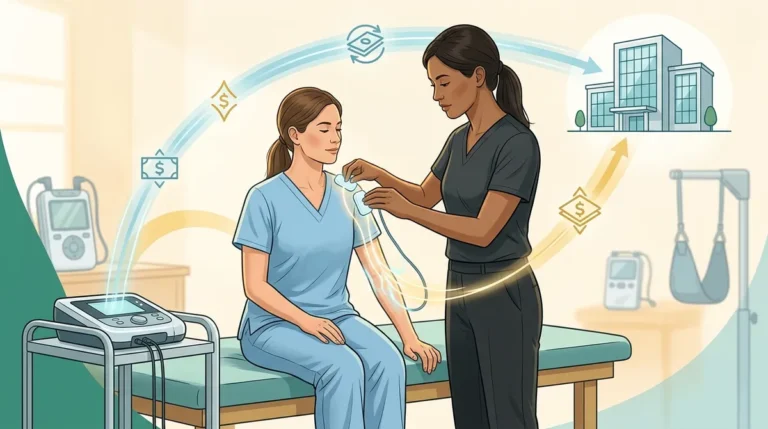
Thornton clinics treating auto accident or workers' compensation patients should partner with suppliers experienced in insurance billing and documentation requirements to secure reimbursement from commercial, workers' comp, and PIP claims.
-
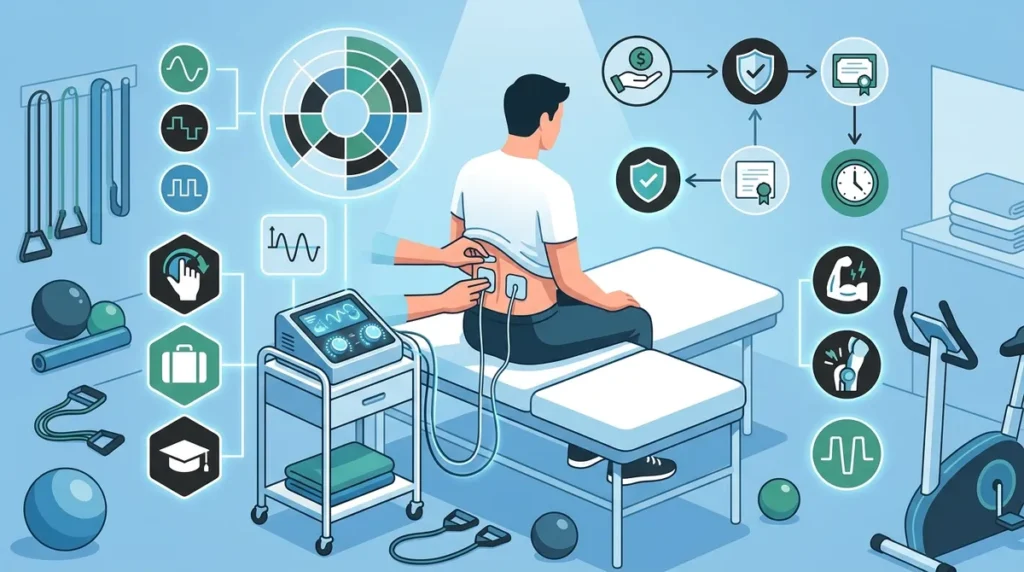
TENS units should always complement—not replace—hands-on care and corrective exercise; pair TENS as a pre-treatment modality, document treatment outcomes systematically, and implement proper contraindication screening protocols for patient safety.
-
Understanding the distinction between TENS (pain modulation via sensory nerves) and NMES (muscle activation via motor nerves) is critical for developing targeted patient care plans and selecting appropriate equipment.
-
Selecting a supplier with specialized electrotherapy expertise, clinical onboarding support, and compatibility with conductive garments ensures your clinic maximizes treatment effectiveness and operational efficiency.
Physical therapy clinics in Thornton are increasingly turning to electrotherapy as a reliable, noninvasive method for managing patient pain. Among the available modalities, TENS units for physical therapy clinics in Thornton have emerged as a particularly effective tool for supporting pain relief across a wide range of musculoskeletal and neurological conditions. Whether your clinic treats post-operative patients, chronic pain sufferers, or individuals recovering from work or auto injuries, integrating the right TENS equipment into your treatment protocols can meaningfully improve patient outcomes. This guide walks you through everything you need to know — from understanding how TENS technology works to evaluating device specifications, selecting the right supplier, and ensuring your clinic meets the highest standard of care. If you are a physical therapist, clinic administrator, or healthcare provider looking to expand your electrotherapy capabilities, this article will help you make a well-informed, confident decision.

What Is TENS and Why Does It Matter for Physical Therapy
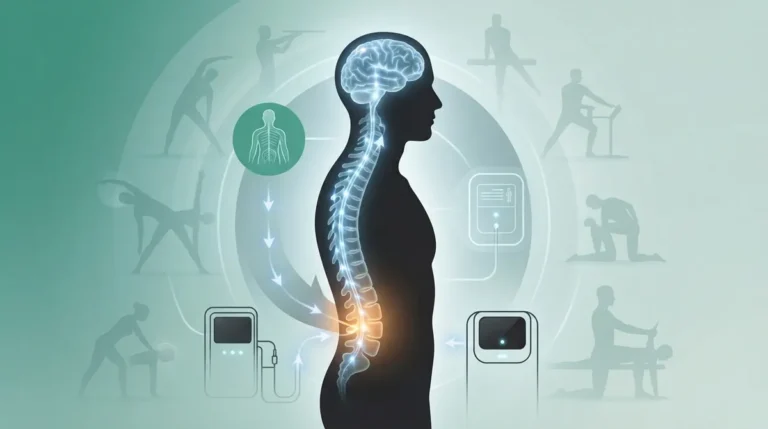
TENS stands for Transcutaneous Electrical Nerve Stimulation. It is a therapy that delivers low-voltage electrical pulses through adhesive electrodes placed on the skin, targeting specific nerve pathways to modulate pain perception. The Cleveland Clinic reports that for many patients, pain relief begins immediately during a TENS session, though effects typically diminish within approximately one hour after treatment ends. This makes TENS a valuable in-clinic modality for reducing discomfort prior to or during therapeutic exercise.
Physical therapists commonly use TENS as an adjunct — not a replacement — for hands-on care, corrective exercise, and rehabilitative movement. The technology is battery-powered, portable, and noninvasive, which makes it straightforward to implement across diverse clinical settings without requiring surgical intervention or pharmacological management. For Thornton-based clinics seeing patients dealing with back pain, neck pain, or post-injury recovery, TENS therapy offers a practical, low-risk option that complements a broader treatment plan.

Conditions Commonly Treated with TENS Therapy in a Clinic Setting
Understanding which patient populations benefit most from TENS will help your clinic develop targeted protocols. The CDC has highlighted noninvasive therapies like electrical nerve stimulation as a meaningful component of reducing reliance on opioid-based pain management — a significant consideration in modern rehabilitation care.
Below is a table summarizing the most commonly treated conditions and the corresponding clinical benefits of TENS therapy:
| Condition | Primary TENS Benefit | Treatment Setting |
|---|---|---|
| Chronic Low Back Pain | Reduces pain intensity, improves mobility | In-clinic and home use |
| Neck Pain / Cervicogenic Pain | Relieves muscle tension, reduces nerve irritation | In-clinic |
| Osteoarthritis | Decreases joint pain, supports participation in exercise | In-clinic and home use |
| Tendinitis | Manages localized pain, supports tissue recovery | In-clinic |
| Fibromyalgia | Provides widespread pain relief during sessions | In-clinic |
| Peripheral Neuropathy | Modulates nerve signaling, reduces burning/tingling | In-clinic and supervised home use |
| Post-Operative Pain | Manages acute pain, supports early mobilization | In-clinic with physician oversight |
Clinics in Thornton that treat auto accident injury patients or workers’ compensation cases will find TENS particularly useful for addressing soft tissue injuries such as whiplash, lumbar strain, and contusions — conditions where pain management is a critical precursor to functional rehabilitation. Explore how TENS units for physical therapy clinics in Arvada are being applied in similar regional settings for reference.
TENS vs. NMES: Understanding the Difference
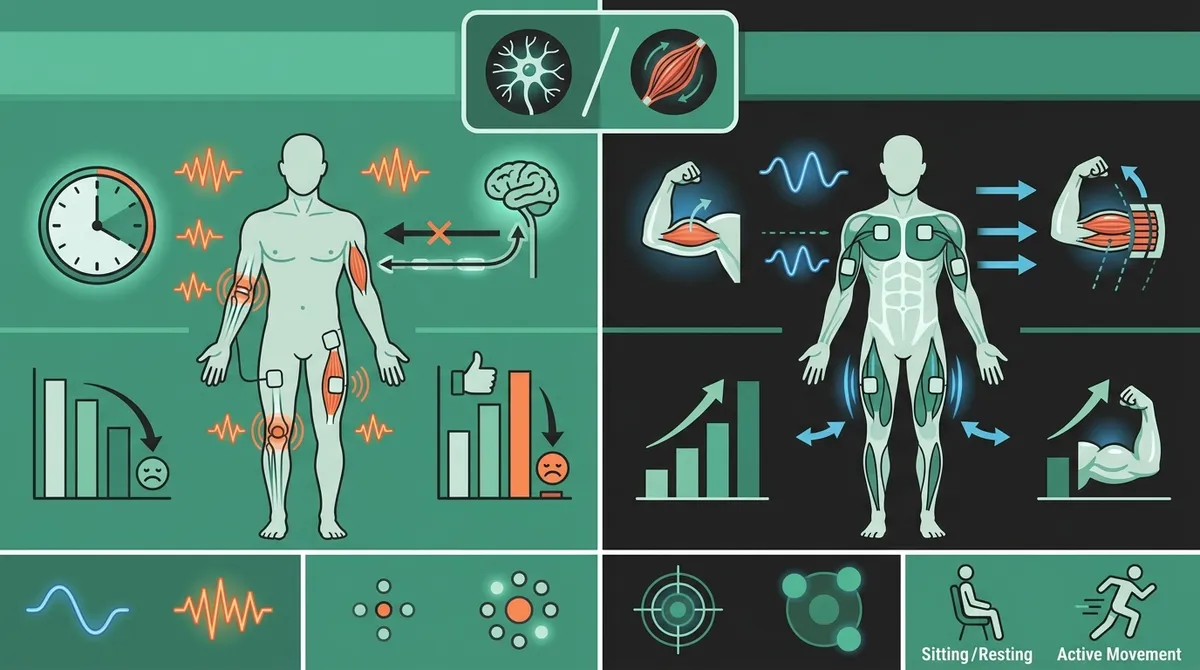
A common source of confusion for clinics evaluating electrotherapy equipment is the distinction between TENS and NMES (Neuromuscular Electrical Stimulation), also referred to as EMS (Electrical Muscle Stimulation). While both modalities use electrical current delivered through electrodes, their clinical applications differ significantly.
| Feature | TENS | NMES / EMS |
|---|---|---|
| Primary Purpose | Pain relief | Muscle activation and strengthening |
| Target Tissue | Sensory nerve fibers | Motor nerve fibers and muscle tissue |
| Mechanism | Modulates pain signal transmission | Triggers muscle contraction |
| Typical Use Case | Chronic and acute pain management | Post-surgical muscle re-education |
| Patient Sensation | Tingling, buzzing sensation | Visible muscle contraction |
Physical therapy clinics in Thornton should ensure their team clearly understands this distinction when developing patient care plans. TENS is the appropriate choice when the primary goal is pain modulation rather than muscle recruitment. For clinics managing patients across both categories, dual-function devices may be worth evaluating as part of a broader electrotherapy product strategy.

How to Evaluate TENS Units for Your Thornton Clinic
Selecting the right TENS unit requires a systematic approach. Not all devices offer the same clinical capabilities, and a unit that performs well in a home setting may not meet the demands of a busy physical therapy clinic. Use the following step-by-step process to evaluate your options:
- Assess Your Patient Volume and Case Mix: Clinics treating high volumes of patients or managing complex cases such as post-operative pain and neuropathy need devices with programmable intensity levels, multiple channel outputs, and diverse waveform options. Understand the conditions you treat most frequently before selecting a device.
- Review Device Specifications: Look for adjustable pulse width, pulse rate (frequency), and amplitude controls. Clinical-grade TENS units typically offer a broader parameter range than consumer-grade devices, giving therapists more precise control over treatment delivery.
- Evaluate Electrode and Accessory Compatibility: The quality and compatibility of electrodes directly impact treatment effectiveness and patient comfort. Consider devices that are compatible with conductive garments and TheraKnit garments, which can improve electrode contact and expand treatment areas.
- Confirm Insurance Billing Compatibility: For clinics that bill through commercial PPO/POS plans, workers’ compensation, or auto accident insurance, ensure your equipment supplier can support documentation and billing requirements. This is an area where working with a specialized provider adds significant value.
- Consider Portability and Durability: In a clinical environment, devices will be used repeatedly throughout the day. Prioritize units with durable construction, rechargeable batteries, and clear digital interfaces that support efficient patient-to-patient transitions.
- Evaluate Supplier Support and Training: The best device selection means little without proper clinical onboarding. Choose a supplier that offers setup guidance, staff training support, and ongoing customer service.
Clinics exploring similar decisions in nearby communities may find resources such as how to choose TENS units for physical therapy clinics in Westminster or TENS units for physical therapy clinics in Greeley helpful for contextual comparison.
Key Device Features to Prioritize
Once you have completed your clinical assessment, the following features should be at the top of your checklist when comparing TENS units for physical therapy clinics in Thornton:
- Multiple output channels to treat more than one body region simultaneously or serve multiple patients efficiently during peak hours
- Adjustable frequency and pulse width to customize therapy for acute versus chronic pain presentations
- Pre-programmed treatment modes that streamline setup for common conditions like back pain and joint pain
- Long battery life or rechargeable battery systems to minimize downtime in a busy clinic environment
- Clear, readable display screens that allow therapists to confirm settings quickly during patient sessions
- Skin-safe electrode adhesives to minimize the risk of contact dermatitis or irritation with repeated use
The National Institutes of Health has documented high rates of persistent chronic pain among U.S. adults, underscoring the growing demand for effective, accessible pain management solutions in clinical settings. Clinics that invest in well-specified TENS equipment are better positioned to meet this demand responsibly and effectively.
Integrating TENS Therapy into Your Clinic’s Treatment Protocols
TENS therapy achieves its greatest value when thoughtfully integrated into a broader rehabilitation program. The following guidelines will help Thornton physical therapy clinics establish effective TENS protocols:
- Conduct a Thorough Patient Assessment: Identify appropriate candidates for TENS therapy based on diagnosis, pain characteristics, and contraindications (e.g., patients with pacemakers, those who are pregnant, or individuals with active skin infections in the treatment area should not receive TENS without medical clearance).
- Set Evidence-Based Treatment Parameters: For most chronic pain conditions, TENS is typically applied in 1–2 hour periods followed by a rest interval. For acute pain, shorter, more frequent sessions may be appropriate. Always individualize parameters based on patient response.
- Pair TENS with Active Rehabilitation: Use TENS as a pre-treatment modality to reduce pain before therapeutic exercise, manual therapy, or functional movement training. This approach maximizes patient participation and accelerates functional recovery.
- Document Treatment Outcomes Systematically: Track pain scores, functional improvements, and session parameters to build a clinical evidence base within your practice. This documentation also supports insurance reimbursement claims and demonstrates value to referring physicians.
For clinics that also provide chiropractic services or work alongside chiropractors, resources such as TENS units for chiropractors in Thornton: A Clinical Guide offer complementary insights for an integrated care model.
Managing Risks and Ensuring Patient Safety
While TENS therapy is widely regarded as safe, clinics must implement appropriate safety protocols to minimize adverse events. The most commonly reported issues include skin irritation from adhesive electrodes, mild discomfort from improper intensity settings, and rare cases of electrode burns from extended or improperly supervised sessions.
Best practices for patient safety include:
- Always inspect the treatment area before electrode placement
- Replace electrodes regularly to maintain consistent conductivity and reduce adhesive irritation
- Train all clinical staff on proper electrode placement techniques and intensity calibration
- Ensure patients are educated on what sensations to expect and how to signal discomfort
- Maintain clear contraindication screening protocols as part of the initial patient intake process
Clinics using clinical TENS devices from established suppliers with proper documentation and device certifications are better positioned to maintain both safety and compliance standards.
Why Supply Source and Supplier Expertise Matter
The quality of your electrotherapy equipment is inseparable from the reliability of your supply partner. For physical therapy clinics in Thornton, working with a supplier that understands the clinical environment — and the insurance landscape — is a meaningful advantage. Liberty Medical Solutions specializes in customized electrotherapy solutions for healthcare providers, including physical therapy clinics, chiropractic practices, and auto injury clinics. Their product range includes TENS units, back braces, cervical traction units, and conductive garments, supported by experience working with commercial PPO/POS plans, workers’ compensation, and auto accident insurance claims.
Selecting a supplier with this depth of specialization ensures that your clinic receives not just the equipment, but the clinical and administrative support needed to deploy it effectively. Similar clinics in the region have benefited from this approach, as illustrated in resources like why Pueblo physical therapy clinics need TENS units and how to choose TENS units for physical therapy clinics in Sacramento.
Insurance and Billing Considerations for Thornton PT Clinics
One of the practical challenges for physical therapy clinics adding TENS therapy to their service offering is navigating insurance billing. Proper documentation of medical necessity, device specifications, and treatment outcomes is essential to secure reimbursement from commercial and government payers.
| Insurance Type | Common Requirements | Key Documentation |
|---|---|---|
| Commercial PPO / POS | Prior authorization may be required for durable medical equipment | Physician prescription, clinical notes, diagnosis codes |
| Workers’ Compensation | Must demonstrate work-related injury and medical necessity | Injury report, functional assessment, treatment plan |
| Auto Accident / PIP | TENS must be tied to injury diagnosis from the accident | Accident documentation, physician referral, session records |
| Third-Party Liability | Documentation supports legal and insurance claim proceedings | Comprehensive clinical records, outcome measures |
Clinics working with patients on auto accident or workers’ compensation claims will find it particularly valuable to partner with a supplier experienced in these billing environments. The FDA has issued guidance supporting the expansion of nonopioid options for chronic pain, which further strengthens the reimbursement case for TENS as a medically justified modality.
Building a Long-Term Electrotherapy Strategy for Your Clinic
Physical therapy clinics in Thornton that approach electrotherapy strategically — rather than as an afterthought — tend to see stronger patient outcomes and greater operational efficiency. A long-term strategy should account for equipment lifecycle planning, staff training continuity, patient education initiatives, and protocol reviews based on emerging clinical evidence.
Staying informed about developments in electrotherapy through resources like peer-reviewed research and clinical association guidelines is equally important. Consistently reviewing and updating your TENS protocols ensures that your clinic delivers evidence-informed care that meets evolving professional standards. You can also explore how physical therapy clinics in Greeley and clinics in Arvada are building similar long-term electrotherapy strategies for regional context.
Conclusion
Choosing and implementing TENS units for physical therapy clinics in Thornton is a decision that carries significant implications for patient care quality, clinical efficiency, and practice growth. By understanding the technology, evaluating devices against clinical needs, integrating TENS thoughtfully into treatment protocols, and working with an experienced supplier, your clinic can leverage electrotherapy as a meaningful differentiator in a competitive healthcare market. The right approach prioritizes patient safety, evidence-informed practice, and administrative preparedness — all of which are achievable with proper planning and expert guidance.
If your Thornton physical therapy clinic is ready to expand its electrotherapy capabilities or upgrade its current TENS equipment, our team is here to help you find the right solution. Reach out to our electrotherapy specialists today to discuss your clinic’s specific needs and discover how Liberty Medical Solutions can support your practice with customized, clinically appropriate equipment and expert guidance.
FAQs
Q: What is a TENS unit used for in a physical therapy clinic in Thornton?
A: In a physical therapy clinic, a TENS unit is used as a noninvasive pain management tool. It delivers low-voltage electrical pulses through skin electrodes to modulate pain signals, helping patients participate more comfortably in rehabilitative exercise and manual therapy.
Q: How long does TENS therapy typically last in a clinical session?
A: According to clinical practice guidelines, TENS is commonly applied in sessions of one to two hours, followed by a rest period. For acute pain presentations, shorter but more frequent sessions may be appropriate depending on the patient’s response and therapist assessment.
Q: Is TENS therapy appropriate for both chronic and acute pain patients?
A: Yes, TENS therapy is used for both chronic and acute pain conditions, though treatment parameters differ. Chronic pain conditions such as fibromyalgia and osteoarthritis may benefit from longer sessions, while acute injuries typically require shorter, more carefully monitored applications.
Q: What is the difference between TENS and NMES for physical therapy purposes?
A: TENS is primarily designed for pain relief by targeting sensory nerve fibers, while NMES (Neuromuscular Electrical Stimulation) targets motor nerves to trigger muscle contractions for strengthening and re-education. Physical therapists select the appropriate modality based on whether the treatment goal is pain management or muscle activation.
Q: Can physical therapy clinics in Thornton bill insurance for TENS unit treatments?
A: Yes, TENS therapy may be billable through commercial PPO/POS plans, workers’ compensation, and auto accident insurance, provided that clinics maintain proper documentation including physician prescriptions, diagnosis codes, and detailed clinical notes demonstrating medical necessity. Working with an experienced electrotherapy supplier can support accurate documentation and billing compliance.