Key Takeaways
-
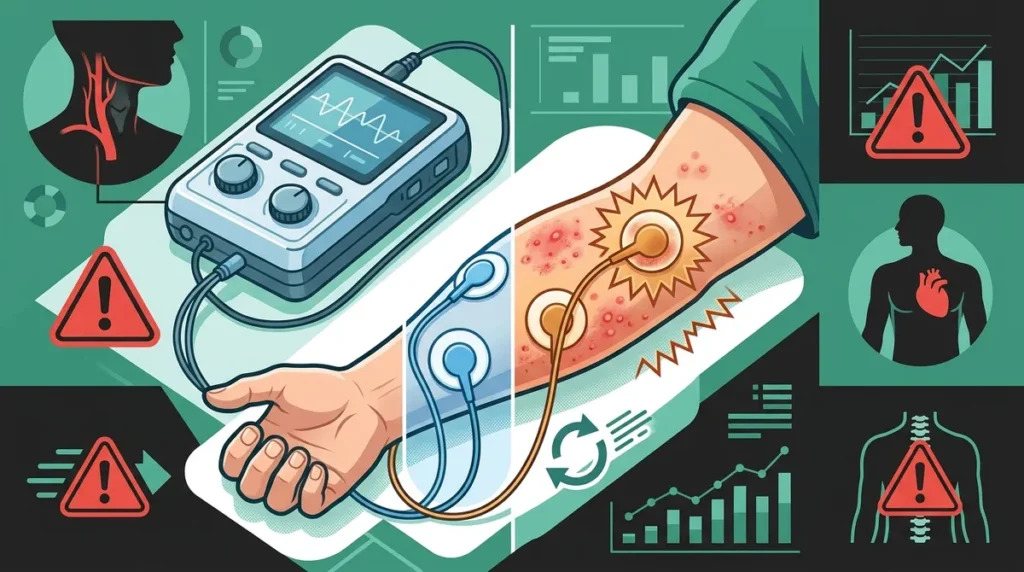
Skin irritation and redness are the most common TENS side effects, typically caused by prolonged electrode contact or adhesive sensitivity; rotate pad placement and properly prepare skin to significantly reduce irritation risk.
-
TENS is contraindicated for patients with cardiac pacemakers, epilepsy, pregnancy, impaired skin sensation, or active cancer in treatment areas; thorough pre-treatment screening is essential to prevent serious adverse events.
-
Never place TENS electrodes on the front of neck, eyes, chest, spine with implants, or damaged skin; improper placement is a leading preventable cause of side effects including burns and cardiac interference.
-
Uncomfortable sensations occur in 30.6% of patients but are manageable; start at lowest intensity and gradually increase based on feedback to minimize discomfort and improve treatment tolerance.
-
Daily TENS use is safe for most patients, but cumulative skin irritation risk increases with frequency; mandatory electrode rotation, regular skin inspection, and periodic clinical reassessment are essential for ongoing regimens.
-
Burns are rare but serious; they result from faulty equipment, high intensity settings, prolonged sessions, or application to damaged skin—using clinically approved equipment and following standardized protocols substantially reduces this risk.
As electrotherapy continues to gain traction in clinical pain management, TENS machines have become a cornerstone treatment tool across physical therapy clinics, chiropractic practices, and auto accident injury centers. The National Institutes of Health has documented high rates of persistent chronic pain among U.S. adults, reinforcing the demand for effective, non-opioid interventions like transcutaneous electrical nerve stimulation. While TENS therapy is widely considered safe and well-tolerated, clinicians have a professional responsibility to understand potential TENS machine side effects thoroughly. Recognizing these effects—and knowing how to prevent or address them—directly impacts patient outcomes, clinical credibility, and liability management. This guide provides a clinically grounded overview of TENS side effects, contraindications, and best practices to help healthcare providers deliver this therapy with confidence and precision.
Understanding How TENS Machines Work
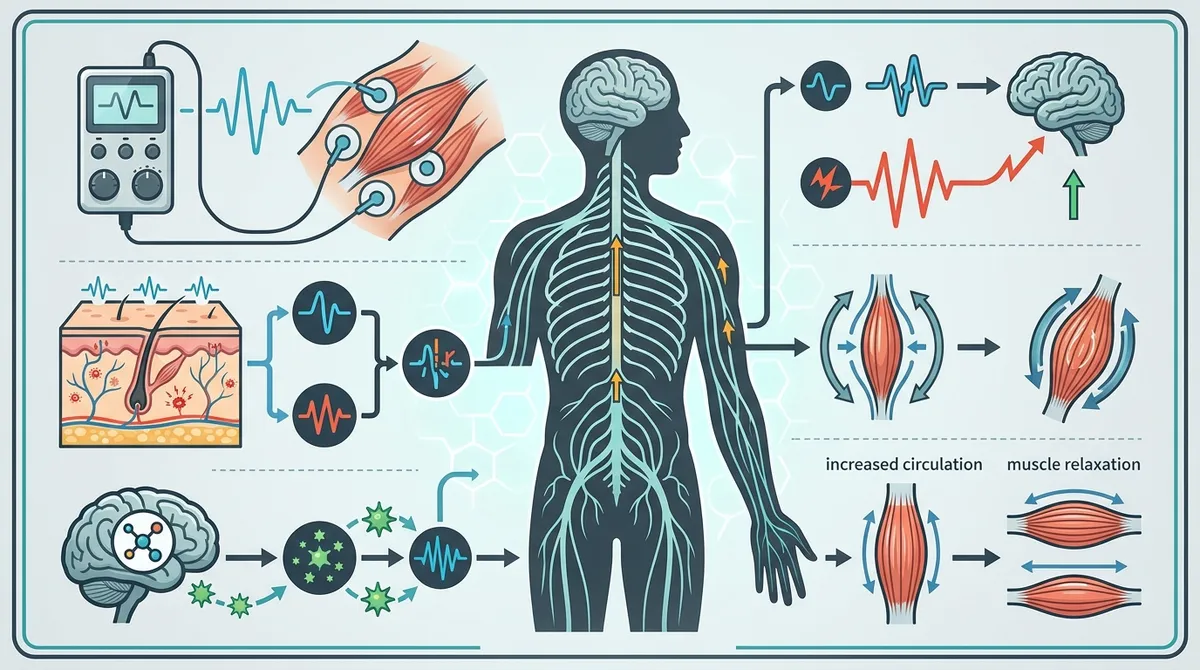
A TENS machine delivers low-voltage electrical impulses through electrodes placed on the skin, targeting nerve pathways to interrupt pain signals and stimulate the release of endorphins. The therapy is non-invasive and drug-free, making it an attractive option for managing acute and chronic musculoskeletal pain. Clinicians can explore the full range of electrotherapy devices available for clinical use to match specific patient needs.
Understanding the mechanism behind TENS helps explain why most side effects occur. Electrical current passing through skin and tissue can cause local reactions, and improper electrode placement or intensity settings amplify this risk. A clear clinical understanding of the technology is the first step toward safe, effective application.

Most Common TENS Machine Side Effects
For the majority of patients, TENS therapy is well-tolerated with minimal adverse reactions. However, clinicians should proactively educate patients about what to expect. According to the Cleveland Clinic, serious issues are uncommon, with most reported effects limited to adhesive allergy, uncomfortable sensations, or rare burns.
Skin Irritation and Redness
The most frequently reported TENS machine side effect is mild skin irritation or redness at the electrode site. This typically results from prolonged electrode contact, excessive moisture, or sensitivity to the adhesive backing. The reaction is usually temporary and resolves within a few hours after the session ends.
Clinicians should inspect electrode sites after each session and rotate pad placement to avoid cumulative skin stress. Proper skin preparation—including cleansing the area and allowing it to dry—significantly reduces irritation risk.
Uncomfortable Sensations
Some patients describe the electrical stimulation as tingling, prickling, buzzing, or stinging rather than painful. These sensations are generally manageable and often normalize as patients acclimate to therapy. Starting at lower intensity settings and gradually increasing to the therapeutic range helps minimize discomfort.
A chronic pain study found that unpleasant sensations at or away from the TENS site occurred in 30.6% of participants, with headaches reported in 8.2%, muscle aches in 6.1%, and nausea in 3.1%. While these figures underscore the importance of patient monitoring, they also reflect that the majority of patients tolerate TENS without significant distress.
Allergic Reactions to Electrode Adhesive
Some patients develop contact dermatitis or allergic reactions to the adhesive component of standard electrode pads. Symptoms include localized redness, itching, swelling, or a rash that extends beyond the electrode boundary. This is distinct from simple irritation and may require the patient to discontinue that specific electrode brand.
Switching to hypoallergenic electrodes is an effective clinical solution. Providers can review specialized conductive garments and TheraKnit garments that offer alternative delivery methods for patients with adhesive sensitivities.
Burns from Electrodes
Though rare, burns represent the most serious skin-level side effect associated with TENS therapy. They typically result from faulty or degraded electrodes, excessively high intensity settings, prolonged sessions without breaks, or placing electrodes over broken or irritated skin. Using high-quality, clinically approved equipment substantially reduces this risk.
| Side Effect | Frequency | Severity | Primary Cause |
|---|---|---|---|
| Skin irritation/redness | Most common | Mild | Prolonged electrode contact, adhesive sensitivity |
| Uncomfortable sensations | Common (30.6%) | Mild to moderate | High intensity settings, patient sensitivity |
| Allergic reaction to adhesive | Occasional | Mild to moderate | Adhesive chemical components |
| Headaches | Less common (8.2%) | Mild | Incorrect pad placement, high intensity |
| Muscle aches | Less common (6.1%) | Mild | Overstimulation |
| Burns | Rare | Moderate to severe | Faulty equipment, damaged skin, excessive duration |
When TENS Can Make Pain Worse
TENS is designed to relieve pain, but improper application can occasionally worsen it. Clinicians working in physical therapy and electrotherapy settings should be alert to the scenarios most likely to produce negative outcomes.
The following conditions increase the risk of adverse effects or worsened pain:
- Placing electrodes incorrectly over bony prominences or near joints without adequate padding
- Using intensity levels that are too high for patient tolerance
- Applying TENS for sessions that exceed recommended durations without adequate breaks
- Using electrodes on damaged, broken, infected, or inflamed skin
- Ignoring patient feedback about increasing discomfort during a session
Reviewing placement techniques and clinical protocols is essential. Resources such as the clinical guide for electrotherapy electrodes provide evidence-based placement recommendations that directly reduce adverse outcomes.
Contraindications: Who Should Not Use TENS
Patient screening is a non-negotiable component of safe TENS therapy delivery. The FDA has emphasized the importance of appropriate patient selection for non-opioid pain therapies, and TENS is no exception. Clinicians must identify contraindications before initiating treatment.
| Contraindication | Reason for Caution | Clinical Recommendation |
|---|---|---|
| Cardiac pacemaker or implantable device | Electrical interference risk | Do not use without cardiologist clearance |
| Epilepsy | Risk of seizure provocation | Contraindicated without specialist approval |
| Pregnancy | Risk near abdomen/lower back | Avoid unless directed by physician |
| Active cancer in treatment area | Potential stimulation of tumor cells | Contraindicated in affected regions |
| Impaired skin sensation | Inability to detect burns or irritation | Use with extreme caution; monitor closely |
In addition to absolute contraindications, clinicians should exercise caution with patients who have deep vein thrombosis, open wounds, or severe cardiovascular disease. A thorough intake assessment ensures that TENS is delivered only to appropriate candidates.
Safe Electrode Placement: Areas to Avoid
Electrode placement is one of the most critical factors in determining both the efficacy and safety of TENS therapy. Improper placement is a leading cause of preventable TENS machine side effects. Clinical staff must be trained on placement protocols and updated regularly as new evidence emerges.
Areas where TENS electrodes should never be placed include:
- The front of the neck or carotid sinus area — Risk of blood pressure changes, laryngospasm, or cardiac arrhythmia
- Directly over the eyes or face — Risk of retinal damage and uncontrolled muscle stimulation
- Over the spine — Particularly in patients with spinal cord injuries or implanted devices
- Across the chest — Risk of cardiac interference, particularly in patients with arrhythmia
- On damaged, broken, or infected skin — Increases burn risk and risk of worsening tissue damage
- Over active malignancies — Avoidance required unless under oncologist direction
For clinicians integrating TENS into spinal rehabilitation programs alongside back braces and other orthopedic supports, understanding these restrictions is especially important for patient safety compliance.
Best Practices to Minimize TENS Side Effects in Clinical Settings
Effective side effect management begins with standardized protocols. Clinicians who follow evidence-based practices consistently report higher patient satisfaction and fewer adverse events. The best TENS machines for clinical use also incorporate safety features that further reduce risk when paired with proper clinical technique.
Recommended Clinical Protocols
- Conduct a thorough intake assessment to identify all contraindications and skin conditions before initiating therapy.
- Start at the lowest effective intensity and increase incrementally based on patient feedback, never exceeding comfortable tolerance thresholds.
- Inspect and rotate electrode placement sites at each session to prevent cumulative skin irritation or breakdown.
- Use high-quality electrodes and replace them according to manufacturer guidelines to maintain conductivity and reduce burn risk.
- Document patient responses at every session, noting any new or worsening symptoms for immediate clinical review.
| Best Practice | Benefit | Applicable Setting |
|---|---|---|
| Pre-treatment skin inspection | Reduces burn and irritation risk | All clinical settings |
| Hypoallergenic electrode selection | Prevents adhesive allergic reactions | Patients with sensitive skin |
| Incremental intensity adjustment | Reduces discomfort and adverse sensations | New patients, elderly, hypersensitive patients |
| Electrode rotation and site variation | Prevents cumulative skin irritation | Long-term TENS users |
| Patient education on sensations | Improves compliance and outcome reporting | All patient populations |
Daily Use: Is It Safe to Use TENS Every Day?
Many patients in chronic pain management programs ask whether daily TENS use is safe. For most individuals without contraindications, daily use is considered acceptable when sessions are appropriately timed and intensity is properly managed. However, the risk of skin irritation increases with frequency, making electrode site rotation and skin monitoring essential components of any ongoing regimen.
Clinicians should reassess patients on long-term TENS programs periodically to ensure the therapy continues to provide benefit without contributing to skin breakdown or habituation effects. For guidance on selecting the most appropriate devices for ongoing clinical programs, explore resources on how to choose the best TENS unit for your clinical practice.
TENS Side Effects in Auto Accident and Workers’ Compensation Cases
For auto accident injury clinics and workers’ compensation providers, TENS therapy is frequently integrated into treatment protocols for whiplash, soft tissue injuries, and back pain. The CDC actively encourages non-opioid therapies for pain management, and TENS fits squarely within these recommendations.
In these clinical-legal environments, thorough documentation of any TENS machine side effects takes on added significance. Insurance carriers and legal representatives may scrutinize treatment records, making accurate, consistent documentation of patient responses, side effects, and adjustments to therapy critically important for claim integrity and provider protection.
Liberty Medical Solutions works directly with commercial PPO/POS plans, workers’ compensation cases, and auto accident claims, making it a practical partner for clinics managing complex insurance environments alongside their electrotherapy programs. To learn more about how your clinic can integrate safe, effective electrotherapy solutions, reach out to our team today.
Conclusion
TENS therapy is a clinically valuable, non-invasive tool for pain management, and its side effect profile is generally mild when therapy is administered correctly. The most common TENS machine side effects—skin irritation, uncomfortable sensations, and adhesive reactions—are manageable with proper technique, high-quality equipment, and attentive patient monitoring. Serious adverse events such as burns remain rare and are largely preventable through standardized clinical protocols.
For physical therapy clinics, chiropractic practices, and auto accident injury centers, understanding these side effects is not just about patient safety—it is a professional imperative that supports better outcomes, stronger documentation, and higher clinical standards. Whether you are new to electrotherapy or looking to refine your existing protocols, equipping your practice with the right knowledge and the right equipment makes all the difference. Contact Liberty Medical Solutions to explore customized electrotherapy solutions designed for the clinical demands of your practice.
FAQs
Q: What are the most common TENS machine side effects?
A: The most frequently reported TENS machine side effects are mild skin irritation or redness at the electrode site, uncomfortable tingling or buzzing sensations, and occasional allergic reactions to the electrode adhesive. These effects are generally temporary and resolve shortly after the session ends when proper protocols are followed.
Q: Who should not use a TENS machine?
A: TENS therapy is contraindicated for individuals with implanted cardiac pacemakers or other electronic devices, epilepsy, and pregnancy without physician approval. Patients with impaired skin sensation, active malignancies in the treatment area, or severe cardiovascular conditions should also be evaluated by a qualified clinician before undergoing TENS therapy.
Q: Can a TENS unit make pain worse?
A: Yes, improper use of a TENS unit can exacerbate pain rather than relieve it. This typically occurs when electrodes are incorrectly placed, intensity is set too high, sessions exceed appropriate durations, or therapy is applied to contraindicated areas. Following evidence-based clinical protocols significantly reduces this risk.
Q: Where should TENS electrodes not be placed?
A: TENS electrodes should never be placed on the front of the neck or carotid sinus area, over the eyes, directly across the chest, over the spine in patients with implanted devices, or on damaged, broken, or infected skin. Placement in these areas increases the risk of cardiac interference, burns, and other serious adverse events.
Q: Is it safe to use a TENS unit every day?
A: For most patients without contraindications, daily TENS use is generally considered acceptable when sessions are properly timed and intensity is managed appropriately. However, increased frequency raises the risk of cumulative skin irritation, making regular skin inspection, electrode rotation, and periodic clinical reassessment essential components of any daily TENS regimen.