Key Takeaways
-
TENS units should be selected with adjustable frequency ranges (1–150 Hz), multi-channel capability, and FDA clearance to ensure clinical effectiveness and safety in Oakland PT clinics.
-
Oakland physical therapists should integrate TENS as an adjunctive modality during active exercise and manual therapy rather than standalone treatment to maximize patient participation and functional rehabilitation outcomes.
-
Workers' compensation and auto accident injury cases in Oakland have high insurance coverage likelihood for TENS devices, making proper documentation of occupational injuries or accident claims essential for reimbursement.
-
TENS therapy is clinically applicable across common Oakland PT conditions including chronic low back pain, osteoarthritis, post-operative recovery, and peripheral neuropathy, supported by the CDC as a nonopioid pain management strategy.
-
Patient safety requires screening for absolute contraindications including cardiac pacemakers, pregnancy, active malignancy, and open wounds before TENS application in Oakland clinics.
-
Selecting a TENS equipment supplier with insurance billing support, FDA-cleared inventory, and responsive customer service reduces administrative burden and ensures consistent access to replacement electrodes and clinical support.
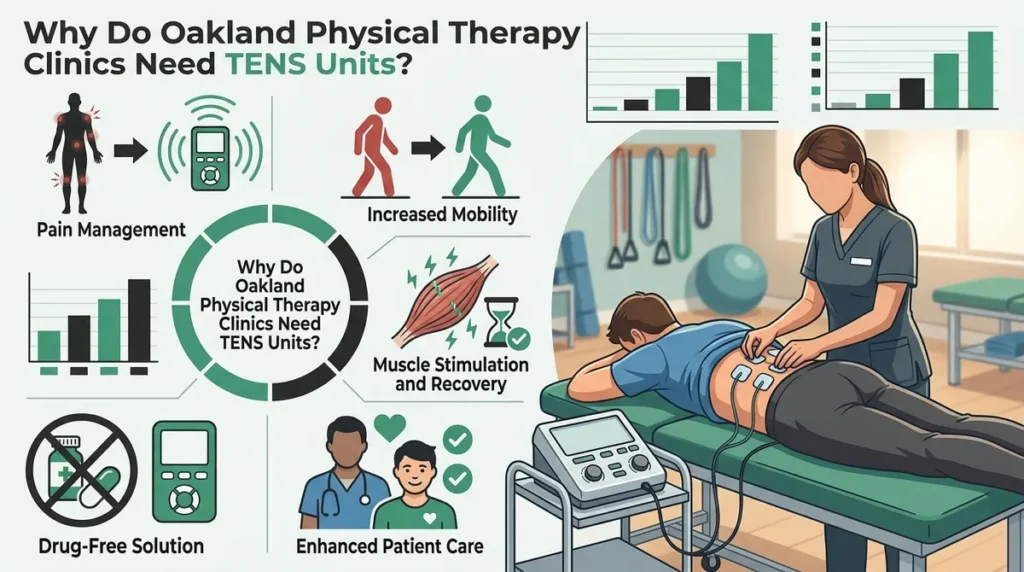
Physical therapy clinics in Oakland operate in a demanding healthcare environment where patient outcomes, treatment efficiency, and pain management quality are under constant scrutiny. As practitioners seek evidence-based, noninvasive tools to complement manual therapy and exercise rehabilitation, TENS units for physical therapy clinics in Oakland have become an increasingly valued clinical asset. Transcutaneous electrical nerve stimulation (TENS) offers a drug-free, portable, and patient-friendly approach to pain modulation — one that integrates seamlessly into rehabilitation protocols for a wide spectrum of musculoskeletal and neurological conditions. With Oakland’s diverse patient population presenting complex pain cases ranging from post-surgical recovery to occupational injuries and chronic conditions, the demand for reliable electrotherapy solutions is significant. This article explores why TENS therapy belongs in every Oakland physical therapy clinic, how it works clinically, and what providers should consider when selecting the right equipment for their practice.
What Is TENS Therapy and How Does It Work?
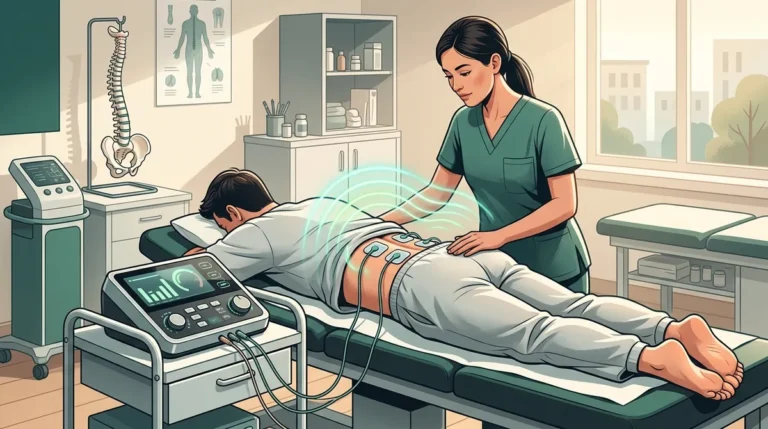
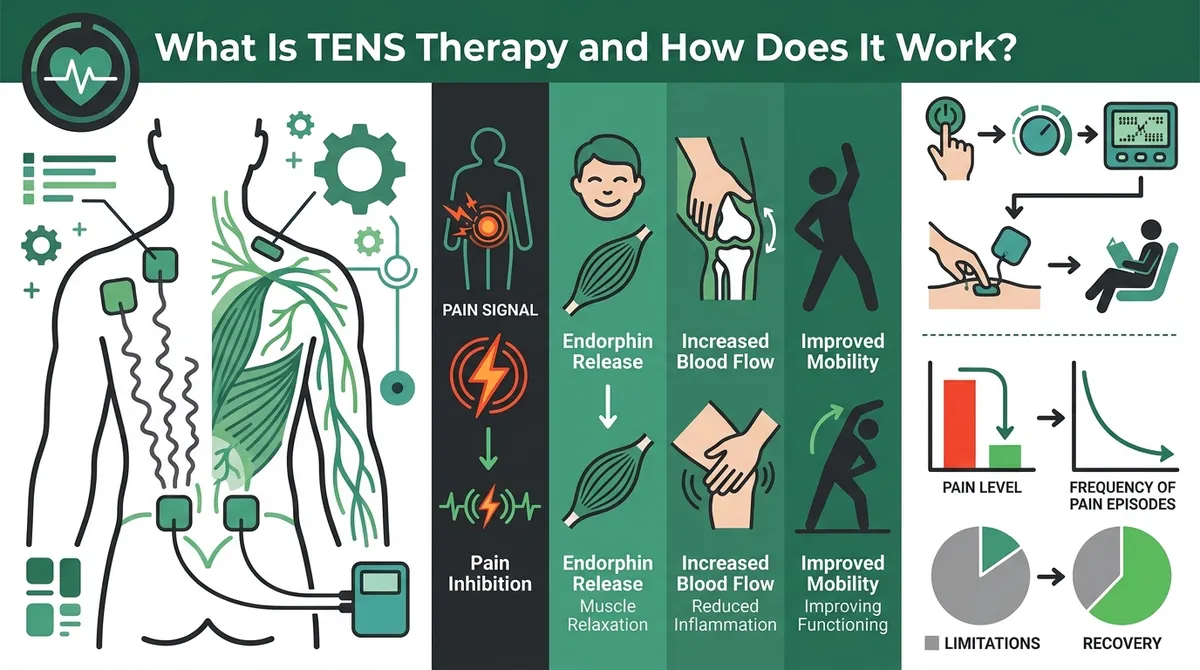
TENS stands for transcutaneous electrical nerve stimulation. It is a noninvasive electrotherapy modality that delivers low-voltage electrical impulses through surface electrodes placed directly on the skin near the painful area or relevant trigger points. These electrical signals work by stimulating sensory nerve fibers, which in turn may inhibit pain signal transmission to the brain — a mechanism often explained through the gate control theory of pain. According to the Cleveland Clinic, pain relief from TENS typically begins during the session itself, though it usually subsides within one hour after the session ends.
TENS devices are battery-powered, making them highly portable for in-clinic use and suitable for home use under provider guidance. Physical therapists typically use TENS as an adjunct modality rather than a standalone treatment, leveraging pain relief to improve patient participation and engagement during therapeutic exercise. This adjunctive role is central to its value in Oakland’s rehabilitation settings, where practitioners often manage complex, multi-layered cases that require comprehensive care strategies.

Clinical Conditions Treated with TENS in Oakland PT Clinics
Oakland physical therapy providers serve a wide range of patients with diverse pain and rehabilitation needs. TENS therapy is applicable across many of the most common diagnoses encountered in outpatient and orthopedic PT settings. Understanding the clinical scope of TENS helps practitioners identify when and how to incorporate it into individualized care plans.
Common conditions addressed with TENS therapy include:
- Acute and chronic low back pain — one of the most prevalent reasons patients seek physical therapy in Oakland
- Osteoarthritis of the knee, hip, and shoulder — TENS may reduce pain intensity, supporting improved function and exercise tolerance
- Tendinitis and soft tissue injuries — common among workers in physically demanding occupations and active individuals
- Post-operative pain management — used to support recovery following orthopedic surgeries, including joint replacements and spinal procedures
- Fibromyalgia and chronic widespread pain — TENS may offer temporary relief to support participation in active rehabilitation
- Peripheral neuropathy — electrical stimulation may help modulate nerve pain signals in affected extremities
- Whiplash and auto accident injuries — frequently seen in clinics treating motor vehicle accident patients
It is important to note that while TENS is widely used, the evidence base is context-dependent. Approximately seven to eight major Cochrane reviews have examined TENS across various conditions, with many noting that evidence quality has been inconsistent. Despite this, TENS remains a first-line adjunct modality in clinical practice due to its favorable safety profile, patient acceptance, and practical utility in supporting active rehabilitation. The CDC supports the use of nonopioid pain management strategies, of which TENS is a recognized option.
How Physical Therapists Integrate TENS into Rehabilitation Protocols
In Oakland PT clinics, TENS is typically employed as one component of a broader, multimodal rehabilitation program. Skilled physical therapists use TENS strategically to lower a patient’s pain threshold before or during therapeutic exercise, manual therapy, or functional movement training — not as a replacement for these evidence-based interventions.
A standard clinical integration approach follows these steps:
- Patient assessment and goal setting — Identify pain location, intensity, and nature to determine TENS suitability and electrode placement strategy
- Electrode placement and parameter selection — Place surface electrodes near the pain site or along the nerve pathway; set frequency, pulse width, and intensity based on patient tolerance and condition type
- Session initiation and monitoring — Begin TENS delivery with sessions typically lasting 10 to 30 minutes, up to 2-3 times per day as clinically appropriate; monitor for skin irritation or discomfort
- Concurrent or post-TENS exercise — Use the period of pain relief to engage the patient in active exercise, functional training, or manual therapy
- Home use instruction — Educate patients on safe, independent TENS use between clinic visits to support continuity of care and self-management
This integrative approach is what makes TENS particularly valuable in high-volume Oakland PT environments. By reducing pain enough for patients to actively participate in rehabilitation, TENS contributes directly to better functional outcomes and improved patient satisfaction scores.
TENS Unit Features Physical Therapy Clinics Should Prioritize
Not all TENS devices are created equal, and selecting the right unit for a physical therapy clinic requires careful evaluation of clinical performance, reliability, and patient usability. Oakland PT providers should assess devices across several key parameters before making procurement decisions.
| Feature | Why It Matters for PT Clinics | Recommended Specification |
|---|---|---|
| Frequency Range | Different frequencies target acute vs. chronic pain mechanisms | 1–150 Hz adjustable range |
| Pulse Width Control | Affects depth and comfort of stimulation | 50–300 microseconds |
| Channel Output | Multi-channel units treat multiple areas simultaneously | Dual or quad channel preferred |
| Portability | Supports in-clinic and at-home use for patients | Lightweight, battery-powered design |
| Electrode Compatibility | Variety of electrode sizes for different body regions | Standard snap connectors; varied pad sizes |
| Safety Certifications | Ensures regulatory compliance and patient safety | FDA-cleared devices only |
| Ease of Use | Reduces training time and patient confusion | Intuitive interface with preset programs |
Clinic administrators should also consider the availability of complementary accessories such as conductive garments and TheraKnit garments, which can enhance electrode-to-skin contact for patients with irregular body contours or those requiring prolonged TENS application. These accessories improve treatment consistency and patient comfort during extended sessions.
Comparing TENS to Other Electrotherapy Modalities
Oakland physical therapy clinics often have access to multiple electrotherapy options. Understanding how TENS compares to other modalities helps practitioners make informed decisions about when each technology is most appropriate.
| Modality | Primary Mechanism | Best Clinical Use Case | Invasiveness |
|---|---|---|---|
| TENS | Nerve signal modulation via skin electrodes | Acute and chronic pain management | Noninvasive |
| Neuromuscular Electrical Stimulation (NMES) | Muscle contraction via motor nerve stimulation | Muscle re-education, atrophy prevention | Noninvasive |
| Interferential Current (IFC) | Deeper tissue stimulation via crossed currents | Deep joint pain, edema reduction | Noninvasive |
| Iontophoresis | Drug delivery via electrical current | Localized anti-inflammatory treatment | Minimally invasive |
TENS remains one of the most versatile and accessible electrotherapy options available to physical therapy clinics. Its broad applicability, strong safety record, and ease of patient self-administration make it a foundational tool in the electrotherapy toolkit. Research published in PubMed continues to explore TENS applications across conditions, supporting its ongoing relevance in clinical practice. For clinics looking to expand their full electrotherapy offering, browsing available products from specialized suppliers provides a clear picture of the full range of devices and accessories available.
Safety Considerations and Contraindications
TENS therapy has a well-established safety profile, but physical therapists must be aware of specific contraindications and precautions to ensure appropriate patient selection and safe device application.
Key safety considerations include:
- Pacemakers and implanted electronic devices — TENS is generally contraindicated in patients with cardiac pacemakers or implantable cardioverter-defibrillators due to the risk of device interference
- Pregnancy — TENS should not be applied over the abdomen or pelvic region during pregnancy without physician guidance
- Active malignancy — Avoid electrode placement directly over known tumor sites
- Open wounds or skin irritation — Do not place electrodes over broken skin, rashes, or areas of compromised integrity
- Cognitive impairment — Patients who cannot communicate discomfort or respond reliably require close supervision during TENS application
Monitoring for mild side effects such as skin redness or tingling sensations beneath electrodes is routine. These effects are typically transient and managed by adjusting intensity settings or electrode placement. Proper patient education before initiating home use is essential to maintaining safety outside the clinic setting.
Insurance and Reimbursement for TENS in Oakland Clinics
For Oakland physical therapy providers, understanding payer coverage for TENS therapy and TENS unit supply is a practical clinical and administrative concern. TENS units are frequently covered under various insurance categories, particularly for patients with documented chronic pain, post-surgical needs, or occupational injuries.
| Insurance Type | TENS Coverage Likelihood | Common Documentation Requirements |
|---|---|---|
| Commercial PPO/POS Plans | Often covered with prior authorization | Diagnosis codes, physician prescription, functional assessment |
| Workers’ Compensation | High coverage likelihood for occupational injuries | Injury report, treatment plan, medical necessity documentation |
| Auto Accident / PIP Claims | Frequently covered for soft tissue injuries | Accident documentation, clinical notes, prescribed treatment plan |
| Medicare | Limited; home use TENS for chronic low back pain has faced restrictions | Specific diagnosis criteria; consult current CMS guidelines |
Oakland clinics treating workers’ compensation patients or auto accident injury cases have particularly strong grounds for TENS unit prescriptions. The National Institutes of Health has documented high rates of persistent chronic pain among U.S. adults, reinforcing the clinical and societal need for accessible, nonopioid pain management tools like TENS. Providers interested in expanding their electrotherapy program and navigating insurance billing for TENS devices can benefit from working with an experienced equipment supplier that understands the full insurance landscape. Liberty Medical Solutions works directly with commercial PPO/POS plans, workers’ compensation carriers, and auto accident claims to help ensure that clinics and their patients can access customized electrotherapy solutions with minimal financial barriers.
Choosing the Right TENS Unit Supplier for Your Oakland PT Clinic
Selecting the right equipment supplier is as important as selecting the right device. Oakland physical therapy clinics should evaluate suppliers based on product quality, clinical support, insurance processing capability, and the availability of a complete product ecosystem including back braces and TENS devices designed for clinical settings.
Key criteria for evaluating a TENS unit supplier include:
- FDA-cleared product inventory — All devices must meet regulatory standards for clinical and patient use
- Insurance billing support — Suppliers who assist with documentation and claims processing reduce administrative burden significantly
- Clinical customization options — Look for suppliers offering conductive garments, multiple electrode configurations, and accessories for complex patient presentations
- Responsive customer service — Reliable post-sale support ensures continuity of care and rapid resolution of equipment issues
- Transparent pricing and supply management — Consistent access to replacement electrodes, cables, and accessories keeps your clinic running efficiently
For Oakland PT clinics exploring their options in other California markets, resources such as How to Choose TENS Units for Physical Therapy Clinics in Sacramento and 9 Reasons SF Physical Therapy Clinics Need TENS Units provide additional context and guidance for regional PT providers navigating the electrotherapy equipment marketplace. Similarly, TENS Units for Physical Therapy Clinics in Fresno and Why Do LA Physical Therapy Clinics Need TENS Units? offer valuable parallel insights for California-based providers.
Conclusion
TENS units for physical therapy clinics in Oakland represent a clinically sound, patient-centered investment in noninvasive pain management and rehabilitation quality. From managing chronic low back pain and post-surgical discomfort to supporting workers’ compensation and auto accident injury recovery, TENS therapy addresses the real-world needs of Oakland’s diverse patient population. When selected and integrated thoughtfully, TENS devices enhance the effectiveness of existing PT protocols, improve patient engagement, and contribute to measurable functional gains.
Oakland physical therapy providers that prioritize evidence-based electrotherapy will be better positioned to meet the growing demand for nonopioid pain solutions, satisfy payer requirements, and deliver exceptional patient care. Whether you are equipping a new clinic or expanding the capabilities of an established practice, partnering with an experienced electrotherapy solutions provider makes all the difference. Reach out to our team at Liberty Medical Solutions to explore customized TENS unit solutions, insurance-compatible equipment programs, and clinical support designed specifically for physical therapy providers in Oakland and across California.
FAQs
Q: What conditions do TENS units help treat in Oakland physical therapy clinics?
A: TENS units are used in Oakland PT clinics to address a wide range of conditions including chronic and acute low back pain, osteoarthritis, tendinitis, post-surgical discomfort, fibromyalgia, peripheral neuropathy, and soft tissue injuries from auto accidents or workplace incidents. The modality is particularly effective as an adjunct to active rehabilitation, helping reduce pain enough to allow meaningful patient participation in therapeutic exercise.
Q: Are TENS units safe for patients with pacemakers or implanted electronic devices?
A: TENS therapy is generally contraindicated for patients with pacemakers or implantable cardioverter-defibrillators, as the electrical impulses may interfere with device function. Physical therapists should conduct thorough patient screenings and review all implanted device histories before initiating TENS treatment.
Q: Can patients use a TENS unit at home after receiving instruction from their Oakland physical therapist?
A: Yes, TENS units are designed to be portable and safe for home use under proper provider guidance. Oakland physical therapists typically instruct patients on electrode placement, intensity settings, session duration, and safety precautions before prescribing home TENS use as part of a comprehensive self-management program.
Q: How should Oakland physical therapy clinics choose a TENS unit for clinical use?
A: Clinics should prioritize FDA-cleared devices with adjustable frequency and pulse width settings, multi-channel output capability, compatibility with varied electrode types, and an intuitive user interface. Working with a reputable electrotherapy supplier that offers insurance billing support, clinical customization options, and responsive customer service is equally important for long-term program success.
Q: Does insurance typically cover TENS units for physical therapy patients in Oakland?
A: Coverage varies by payer, but TENS units are frequently covered under commercial PPO/POS plans, workers’ compensation policies, and auto accident injury claims when supported by appropriate clinical documentation. Oakland PT providers should ensure proper diagnosis coding, physician prescriptions, and medical necessity documentation are in place to support successful insurance claims for TENS devices.