Key Takeaways
-
TENS units provide noninvasive, FDA-supported pain management that enables Colorado Springs PT clinics to reduce opioid reliance and differentiate themselves in a highly competitive market with established providers like Gorman Medical and UCHealth.
-
Colorado Springs clinics can generate direct and indirect revenue by billing in-clinic TENS sessions and prescribing take-home devices through commercial PPO/POS, workers' compensation, and auto accident insurance claims, with Liberty Medical Solutions facilitating coverage.
-
TENS therapy integrates seamlessly into multimodal treatment protocols alongside exercise, manual therapy, ultrasound, and dry needling, making a single device valuable across orthopedic, neurological, and post-surgical patient populations.
-
Colorado Springs' high volume of auto accident injury cases creates a specific clinical opportunity, as TENS is particularly effective for whiplash, cervical strain, and soft tissue damage that can be billed through auto insurance claims.
-
Patients prescribed take-home TENS devices report higher treatment adherence and satisfaction scores because measurable pain relief reinforces physical therapy value and maintains treatment continuity between clinic visits.
-
FDA-cleared TENS units with adjustable parameters, multi-channel output, and compatibility with conductive garments ensure clinically precise treatment while addressing contraindications including cardiac implants, DVT, pregnancy, and open wounds.
Physical therapy clinics in Colorado Springs operate in one of the most active rehabilitation markets in Colorado, serving a diverse patient base that includes military personnel, athletes, auto accident injury survivors, and individuals managing chronic musculoskeletal conditions. In this demanding clinical environment, offering a full spectrum of therapeutic modalities is not optional — it is essential. TENS units for physical therapy clinics in Colorado Springs have become a cornerstone treatment tool, enabling providers to deliver noninvasive, evidence-supported pain management alongside manual therapy, exercise, and other modalities. This article outlines seven compelling reasons why Colorado Springs PT clinics should prioritize TENS technology in 2026, along with practical guidance on selection, application, and sourcing.
What Is a TENS Unit and How Does It Work?
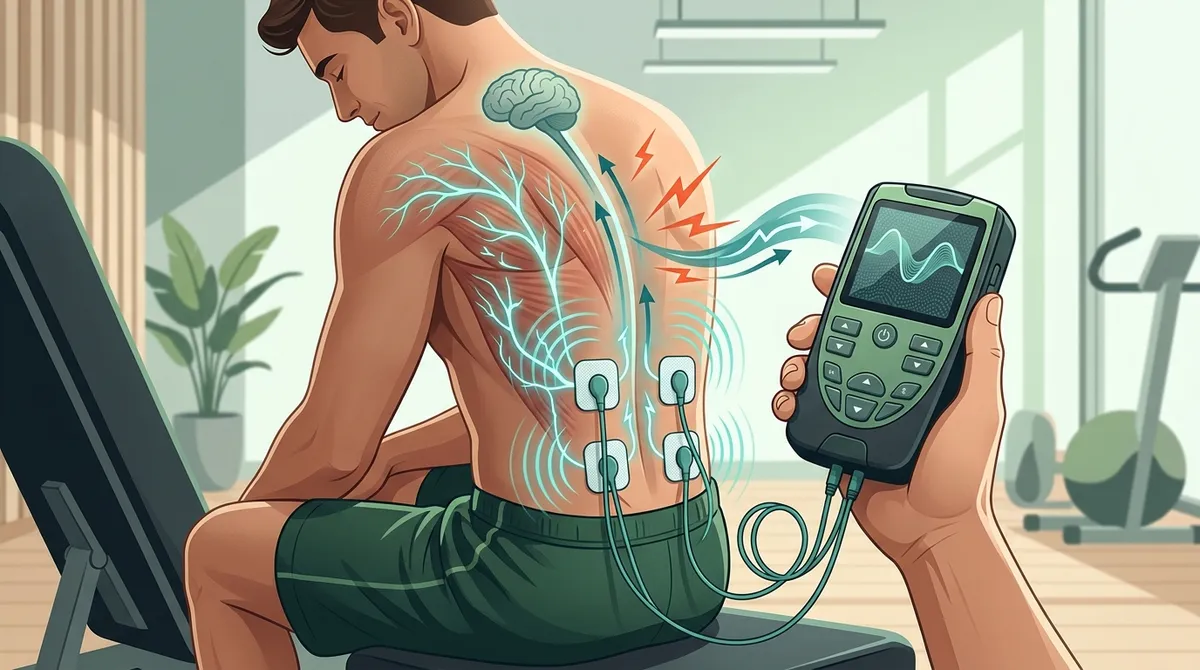
Transcutaneous electrical nerve stimulation, commonly referred to as TENS, involves delivering low-voltage electrical currents through electrodes placed directly on the skin. These mild electrical pulses interfere with pain signal transmission along nerve pathways, stimulating the release of endorphins and reducing the perception of pain at the cortical level. The Cleveland Clinic recognizes TENS as a clinically accepted modality for pain management across a range of conditions.
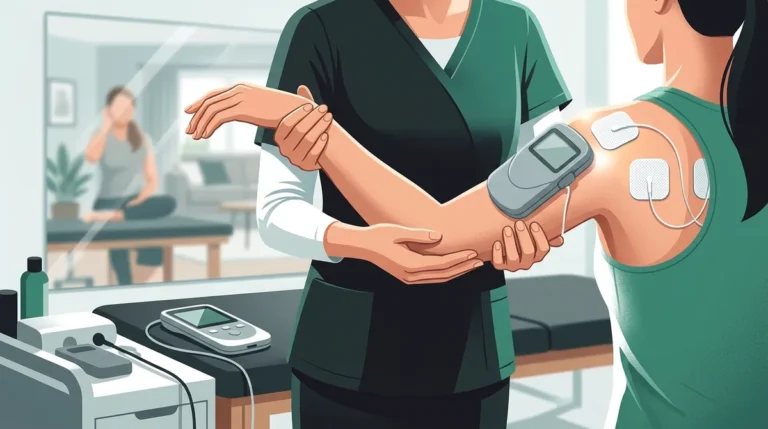
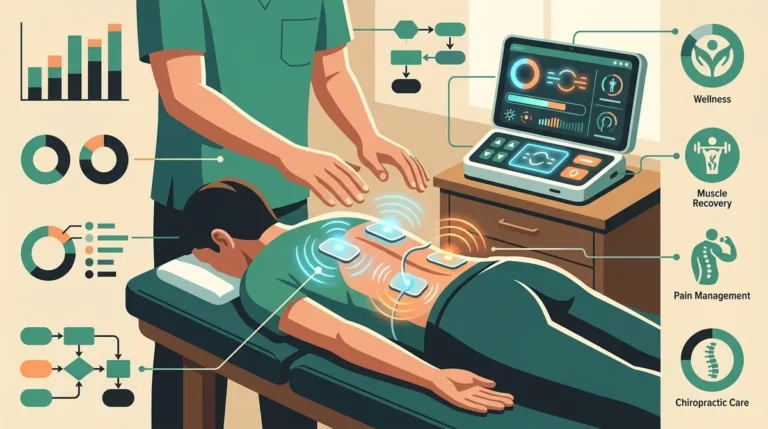
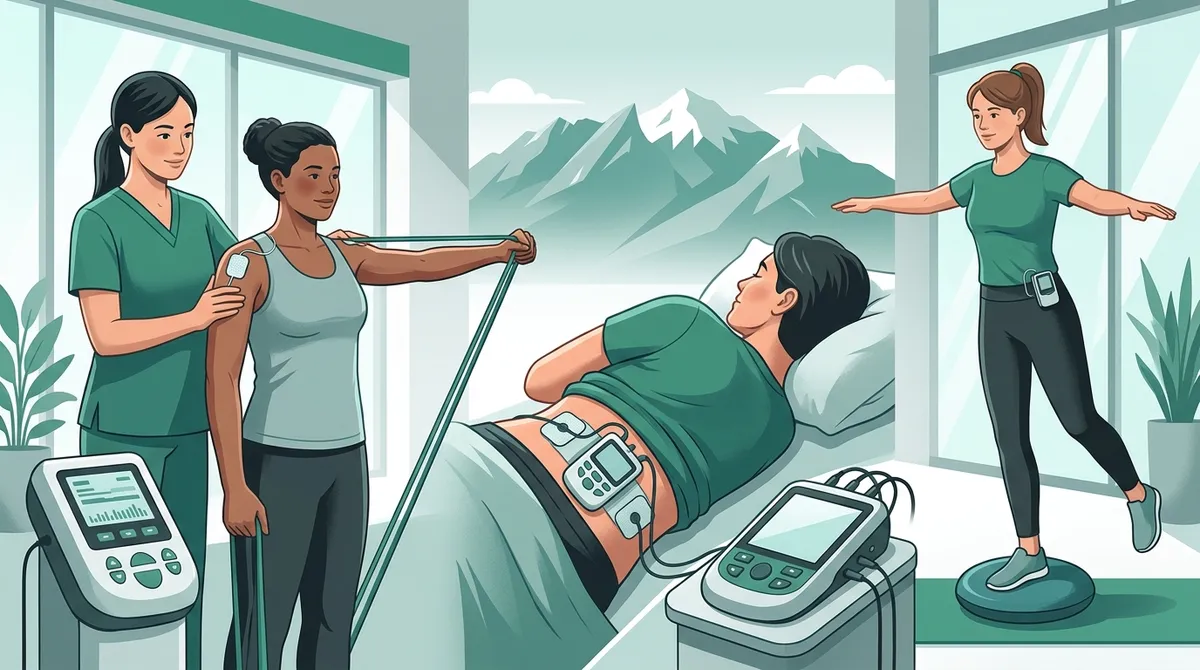
In a physical therapy setting, TENS is typically applied as part of a multimodal approach. Colorado Springs clinics commonly integrate it alongside exercise therapy, manual therapy, ultrasound, dry needling, and thermal modalities. This combination maximizes therapeutic outcomes and addresses both the symptomatic and functional dimensions of patient care.

The Colorado Springs Rehabilitation Landscape in 2026
Colorado Springs supports a robust outpatient rehabilitation market. Established providers such as Gorman Medical, Colorado Center of Orthopaedic Excellence, CommonSpirit Physical Therapy Nevada (4925 N Nevada Ave), UCHealth Physical Therapy and Rehabilitation – Woodmen (4150 E. Woodmen Road, Suite 200), and FYZICAL all offer physical therapy services within the metro area. With this level of competition, clinics must continually elevate their service offerings to attract and retain patients.
The National Institutes of Health reports high rates of persistent chronic pain among U.S. adults, underscoring the demand for effective, nonpharmacological pain management solutions. Colorado Springs PT clinics that invest in TENS technology position themselves at the forefront of this growing need. For additional context on how similar markets have adopted TENS, review why Pueblo physical therapy clinics need TENS units.
7 Reasons Colorado Springs PT Clinics Need TENS Units
1. Effective, Noninvasive Pain Management
TENS therapy provides clinicians with a powerful, drug-free tool for managing acute and chronic pain. The FDA has issued guidance specifically supporting the expansion of nonopioid treatment options for chronic pain, making TENS a strategically aligned choice for forward-thinking clinics. For patients recovering from auto accidents, surgical procedures, or repetitive strain injuries, TENS provides immediate relief without systemic side effects.
2. Versatile Applications Across Patient Populations
TENS units address a wide spectrum of clinical needs. According to local clinic documentation, electrical stimulation therapy in Colorado Springs is used to manage pain, reduce swelling, decrease muscle spasms, improve range of motion, enhance circulation, support neuromuscular re-education, and prevent muscle atrophy. This versatility makes a single device type useful across orthopedic, neurological, and post-surgical patient profiles.
- Chronic low back and neck pain management
- Post-operative pain and edema control
- Sports injury recovery and soft tissue rehabilitation
- Whiplash and auto accident injury treatment
- Neuromuscular re-education after stroke or nerve injury
3. Supports Multimodal Treatment Protocols
TENS therapy integrates seamlessly with established physical therapy protocols. Colorado Springs providers consistently use electrical stimulation alongside exercise programs, manual therapy, ultrasound, and dry needling. This integration enhances overall patient outcomes, reduces reliance on analgesics, and supports faster functional recovery. Clinics interested in complementary electrotherapy modalities may also explore the full range of electrotherapy products available for clinical use.
4. Strengthens Auto Accident Injury Treatment Programs
Colorado Springs has a significant volume of auto accident injury cases, many of which involve whiplash, cervical strain, lumbar injuries, and soft tissue damage. TENS units are particularly effective for these presentations and can be billed through auto accident insurance claims. Providers who structure their TENS programs correctly can also facilitate at-home device prescriptions for patients, extending care continuity between clinic visits. For guidance on building comprehensive auto injury programs, see why Colorado Springs chiropractors choose TENS units.
5. Enhances Revenue and Service Differentiation
Adding TENS to a clinic’s modality portfolio creates both direct and indirect revenue opportunities. Direct billing for in-clinic electrotherapy sessions, combined with the potential to prescribe take-home TENS devices through insurance channels, expands the financial scope of patient care. Colorado Springs PT clinics that work with commercial PPO/POS plans, workers’ compensation, and auto accident claims can leverage TENS prescriptions to increase per-patient revenue. Liberty Medical Solutions specializes in working with insurance plans including commercial PPO/POS, workers’ compensation, and auto accident claims to ensure patients and providers can access electrotherapy devices with minimal financial barriers.
6. Improves Patient Satisfaction and Adherence
Patients who experience measurable pain relief during clinic sessions are more likely to remain adherent to their full course of treatment. TENS therapy offers rapid, perceivable pain reduction that reinforces the value of physical therapy in a patient’s recovery journey. For clinics that also prescribe take-home TENS devices, patients maintain treatment continuity and report higher satisfaction scores. The TENS units for physical therapy clinics in Greeley resource provides parallel insights applicable to the Colorado Springs market.
7. Aligns with Evidence-Based Practice Standards
Modern physical therapy practice is grounded in evidence. TENS therapy has been studied extensively, with research published in the PubMed database supporting its efficacy for various pain conditions. Clinics that adopt FDA-cleared, professionally administered TENS units demonstrate a commitment to evidence-based care, which strengthens their clinical credibility and supports favorable outcomes in peer reviews and payer audits.
Comparing TENS to Other Electrical Stimulation Modalities
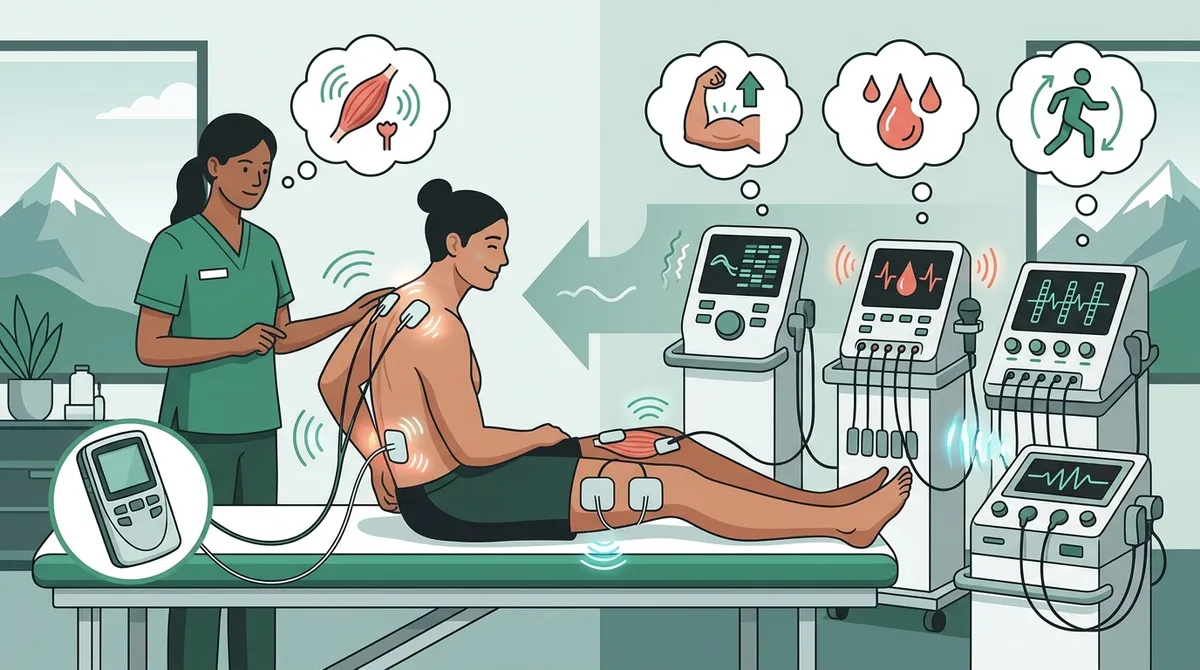
Not all electrical stimulation therapies are identical. Understanding the distinctions allows clinicians to select the appropriate modality for each patient presentation.
| Modality | Primary Use | Mechanism | Typical Patient Profile |
|---|---|---|---|
| TENS | Pain management | Nerve stimulation / endorphin release | Chronic and acute pain patients |
| NMES | Muscle re-education / atrophy prevention | Motor nerve and muscle fiber stimulation | Post-surgical, neurological patients |
| IFC (Interferential Current) | Deep tissue pain relief / edema reduction | Crossing medium-frequency currents | Orthopedic, post-injury patients |
| Microcurrent | Tissue healing / wound management | Subsensory electrical stimulation | Soft tissue injury, wound care patients |
Understanding these distinctions helps Colorado Springs PT clinics build modality menus that address a full range of patient conditions. Conductive garments can further enhance TENS delivery by ensuring consistent electrode contact across larger treatment areas such as the back or thigh.
Clinical Contraindications to TENS Therapy
While TENS is considered safe for most patients when administered by a qualified health professional, certain contraindications must be observed. Colorado Springs clinics should screen all patients prior to initiating TENS treatment and document contraindication assessments in the patient record.
| Contraindication Category | Specific Conditions | Clinical Action |
|---|---|---|
| Cardiac | Implanted pacemakers, cardiac defibrillators | Do not apply TENS; consult physician |
| Vascular | Deep vein thrombosis (DVT), thrombophlebitis | Avoid affected area; physician clearance required |
| Reproductive | Pregnancy (especially abdominal/lumbar area) | Avoid TENS unless specifically cleared by OB/GYN |
| Neurological | Impaired cognition, inability to communicate sensation | Caution required; supervised application only |
| Integumentary | Open wounds, skin infections at electrode site | Relocate electrodes or defer treatment |
Key Device Features Colorado Springs Clinics Should Prioritize
When evaluating TENS units for clinical use, physical therapy providers in Colorado Springs should assess the following features to ensure devices meet both clinical and operational requirements.
- FDA Clearance: Only select devices that have been FDA cleared for clinical use. Commercially available consumer devices may lack the precision and safety standards required in a clinical setting.
- Adjustable Parameters: Clinically effective TENS units offer adjustable pulse width, frequency, and intensity settings, allowing therapists to customize treatment for each patient presentation.
- Multiple Channel Output: Dual or multi-channel devices allow simultaneous treatment of multiple sites, improving throughput in busy clinical environments.
- Compatibility with Conductive Garments: Devices compatible with TheraKnit garments and standard conductive garments expand the range of treatment applications available to therapists.
- Durability and Portability: Clinical-grade devices should withstand repeated daily use, while portable units enable treatment in multiple clinic rooms or patient home prescriptions.
Insurance and Reimbursement Considerations
One of the most important operational factors for Colorado Springs PT clinics is understanding how TENS therapy fits within their payer mix. The following table summarizes common coverage scenarios.
| Payer Type | Coverage Likelihood for TENS | Notes |
|---|---|---|
| Commercial PPO/POS (with out-of-network benefits) | High | Often covers in-clinic and take-home devices with prior authorization |
| Workers’ Compensation | High | Strong coverage for work-related injury treatment; documentation essential |
| Auto Accident / Third-Party Liability | High | Frequently covers TENS for soft tissue and spinal injury claims |
| Medicare / Medicaid | Variable | Coverage depends on diagnosis; billing codes and documentation must be precise |
For clinics serving patients through workers’ compensation or auto accident claims, partnering with a knowledgeable electrotherapy supplier is critical. Back braces and cervical traction units are frequently prescribed alongside TENS for these patient populations, creating comprehensive billing opportunities. Clinics in neighboring markets can find additional operational guidance through resources such as how to choose TENS units for physical therapy clinics in Aurora and TENS units for physical therapy clinics in Lakewood.
What to Expect During a TENS Treatment Session
Educating patients on what to expect during TENS treatment improves compliance and reduces anxiety. A standard in-clinic TENS session follows a structured protocol.
- Patient Assessment: The therapist reviews the patient’s history, confirms the absence of contraindications, and identifies the target treatment area.
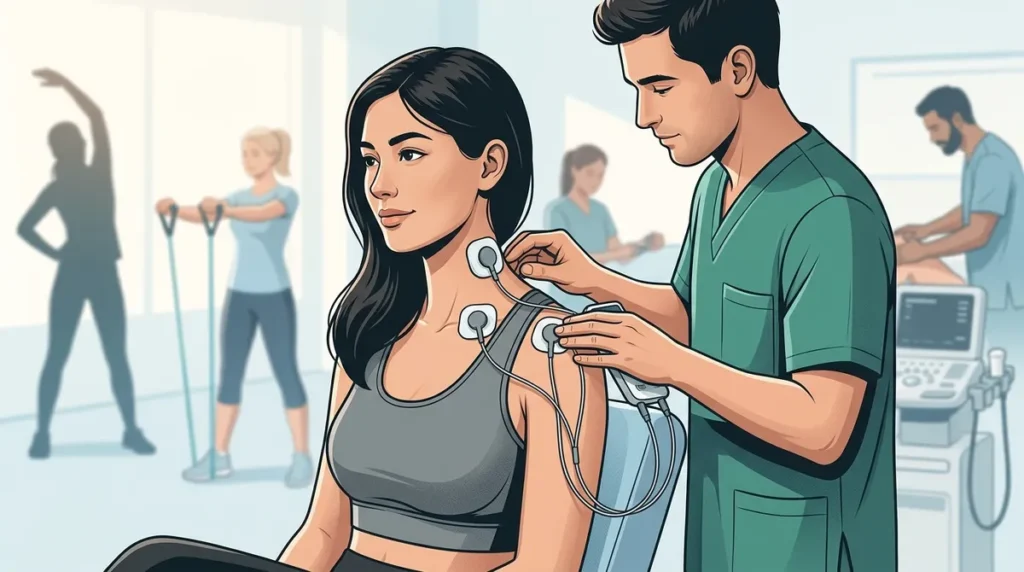
- Electrode Placement: Electrodes are positioned at or near the pain site, or along associated nerve pathways, depending on the clinical objective.
- Parameter Setting: The therapist adjusts pulse frequency, width, and intensity to the patient’s comfort threshold and therapeutic target.
- Treatment Delivery: Sessions typically last 15 to 30 minutes. The patient experiences a tingling or pulsing sensation. There should be no discomfort or sharp pain.
- Post-Treatment Assessment: The therapist evaluates the patient’s response, adjusts parameters for future sessions, and documents outcomes in the clinical record.
Home TENS Units: Extending Care Beyond the Clinic
Many Colorado Springs PT clinics enhance patient outcomes by prescribing take-home TENS devices for between-visit use. This approach is particularly effective for patients with chronic low back pain, cervical conditions, or post-surgical pain who require continuous pain management support. The TENS units resource for Fort Collins physical therapy clinics offers comparable strategies for home prescription programs that can be adapted to the Colorado Springs market.
When prescribing home units, clinicians should ensure devices are FDA cleared, provide adequate patient education on proper electrode placement, and coordinate with their electrotherapy supplier to navigate insurance coverage for home device provision. Liberty Medical Solutions supports this process by working directly with commercial insurance plans, workers’ compensation carriers, and auto accident claims to facilitate device access for qualifying patients.
Conclusion
TENS units for physical therapy clinics in Colorado Springs represent a high-value investment in clinical effectiveness, patient satisfaction, and revenue optimization. From managing chronic pain and supporting auto accident injury recovery to aligning with evidence-based practice standards and expanding insurance billing opportunities, TENS therapy delivers measurable benefits across the full spectrum of outpatient rehabilitation. As the Colorado Springs rehabilitation market continues to grow in 2026, clinics that offer sophisticated electrotherapy programs will distinguish themselves as comprehensive, patient-centered providers.
Whether you are expanding your modality menu, exploring take-home device programs, or navigating insurance reimbursement for electrotherapy, the experienced team at Liberty Medical Solutions is ready to assist. Reach out to our team today to learn how customized TENS solutions can elevate your Colorado Springs physical therapy practice.
FAQs
Q: What is a TENS unit and how is it used in physical therapy clinics?
A: A TENS unit delivers low-voltage electrical currents through skin-placed electrodes to interrupt pain signals and stimulate endorphin release. In physical therapy clinics, TENS is administered as part of a multimodal treatment plan that may include manual therapy, exercise, and ultrasound to achieve comprehensive pain management and functional recovery.
Q: Which conditions do Colorado Springs physical therapy clinics commonly treat with TENS?
A: Colorado Springs PT clinics use TENS for a broad range of conditions, including chronic low back pain, cervical strain, post-operative pain, sports injuries, whiplash from auto accidents, and musculoskeletal conditions requiring neuromuscular re-education. Its versatility across diagnoses makes it a standard modality in outpatient rehabilitation settings.
Q: Is TENS therapy covered by insurance for physical therapy patients in Colorado Springs?
A: TENS therapy is frequently covered under commercial PPO/POS plans with out-of-network benefits, workers’ compensation, and auto accident insurance claims. Proper diagnosis documentation and billing codes are essential to maximize reimbursement for both in-clinic sessions and take-home device prescriptions.
Q: Are there patients who should not receive TENS therapy?
A: Yes. TENS therapy is contraindicated for patients with implanted pacemakers or cardiac defibrillators, active deep vein thrombosis, pregnancy (particularly in the abdominal or lumbar area), and those with impaired cognition or an inability to communicate sensory feedback. All patients should be screened thoroughly before TENS treatment is initiated.
Q: How does TENS differ from NMES in a clinical physical therapy setting?
A: TENS primarily targets sensory nerves to reduce pain perception and stimulate endorphin release, while NMES (neuromuscular electrical stimulation) activates motor nerves to produce muscle contractions for re-education and atrophy prevention. Physical therapists select between these modalities based on whether the primary goal is pain relief or muscle activation.