Key Takeaways
-
Clinical-grade TENS units with adjustable parameters, multiple channel outputs, and broad electrode compatibility are essential for Fort Collins clinics treating diverse patient populations with high volumes.
-
TENS therapy effectively treats common PT referrals including back pain, osteoarthritis, tendinitis, and diabetic neuropathy, and can help reduce patient opioid dependency during rehabilitation.
-
Fort Collins clinics should invest in complementary electrotherapy products like back braces, cervical traction units, and conductive garments to create multimodal treatment protocols that align with CDC evidence-based pain management guidelines.
-
Proper patient screening is critical before TENS application, with contraindications including implanted pacemakers, pregnancy, impaired sensation areas, and adhesive sensitivity requiring careful assessment.
-
Partnering with specialized electrotherapy suppliers who understand insurance workflows, offer clinical support, and provide equipment customization delivers operational advantages for high-volume injury-referral clinics.
-
Pain relief from TENS typically begins during sessions and lasts up to one hour, making it practical for in-clinic use and home-use transitions as part of structured discharge planning.
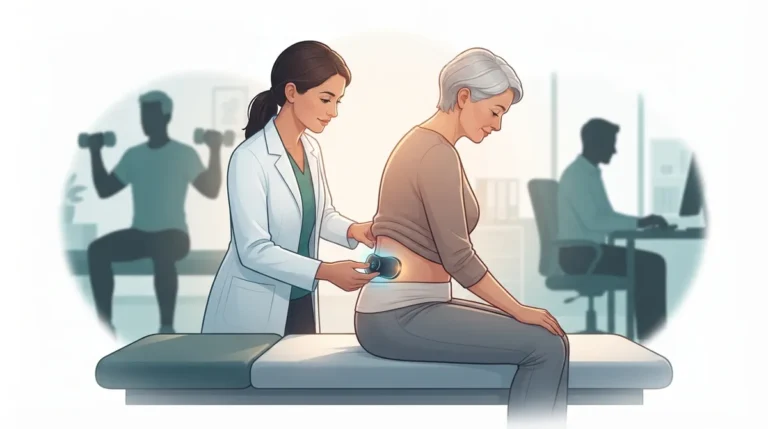
Physical therapy clinics in Fort Collins face a growing challenge: delivering effective, noninvasive pain relief to a diverse patient population managing everything from acute sports injuries to chronic musculoskeletal conditions. As the demand for drug-free rehabilitation tools continues to rise, transcutaneous electrical nerve stimulation (TENS) has become one of the most clinically valued modalities in outpatient care. According to the National Institutes of Health, chronic pain affects a significant proportion of U.S. adults, making effective, accessible treatment options more critical than ever. For Fort Collins clinics looking to expand their electrotherapy capabilities and improve patient outcomes, understanding the full scope of TENS technology is essential.
What Is a TENS Unit and How Does It Work?
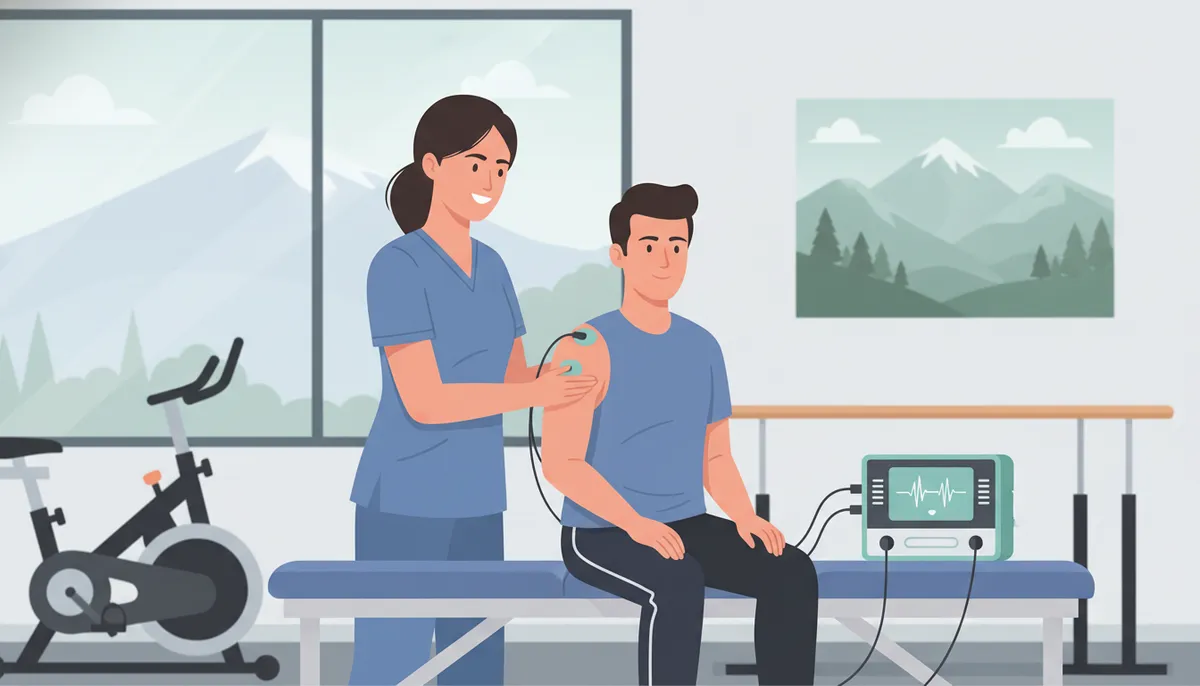
TENS stands for transcutaneous electrical nerve stimulation. It delivers low-voltage electrical currents through electrode pads placed directly on the skin to interrupt pain signals traveling to the brain. The mechanism is rooted in the gate control theory of pain, which holds that non-painful stimulation can block or reduce the perception of painful stimuli. According to Cleveland Clinic, pain relief typically begins during the session and may last up to one hour afterward, making TENS a practical in-clinic and transitional home-use tool.
TENS devices are non-invasive, portable, and can be used alongside other treatment modalities and pain management medications without adverse interactions. These characteristics make them particularly suitable for integration into the structured rehabilitation programs common at Fort Collins outpatient clinics.
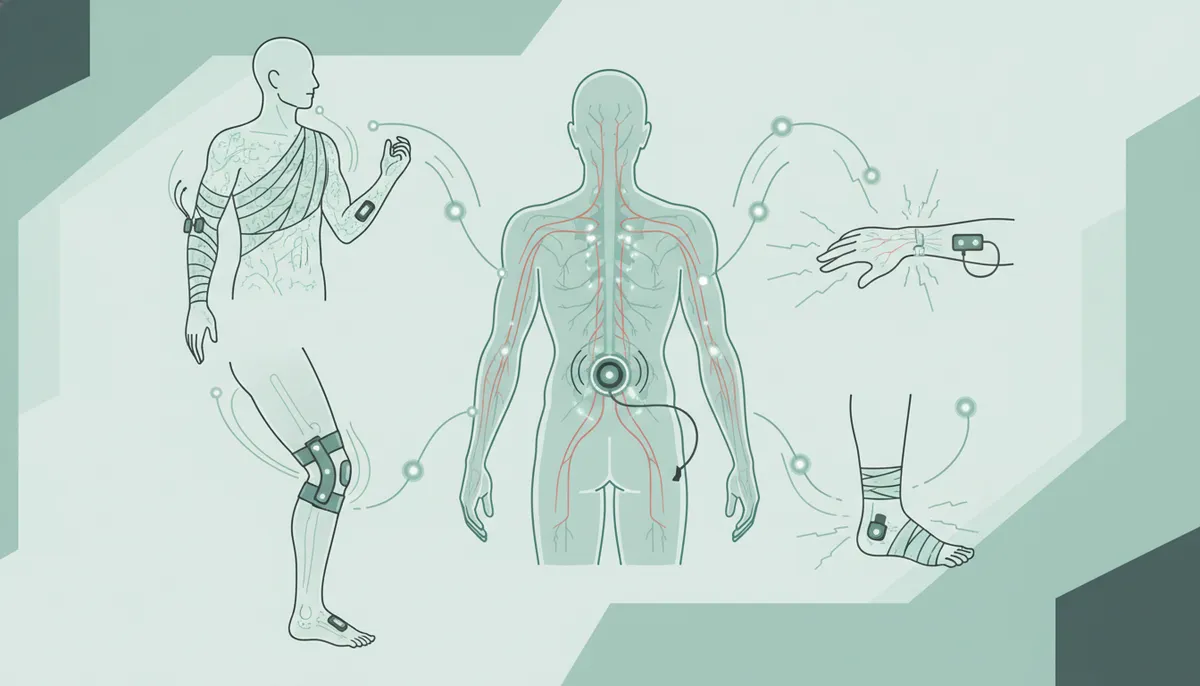
Conditions Treated with TENS in Physical Therapy Settings
Physical therapists in Fort Collins work with a wide range of patient presentations, and TENS units are versatile enough to address many of them. Understanding which conditions respond well to TENS therapy helps clinicians make more informed treatment decisions and helps clinics justify equipment investment.
- Acute and chronic back pain — one of the most common referral diagnoses in outpatient PT settings
- Osteoarthritis — particularly affecting the knee, hip, and spine in older adult populations
- Fibromyalgia — widespread musculoskeletal pain requiring gentle, non-pharmacological intervention
- Tendinitis and bursitis — common among active patients and athletes in the Fort Collins area
- Diabetic neuropathy and peripheral artery disease — conditions requiring careful electrotherapy application
- Chronic pelvic pain — an emerging application for TENS in specialized PT programs
For clinics like those in Fort Collins that treat post-surgical patients, work-related injuries, and sports rehabilitation cases, TENS units offer a flexible modality that can be tailored to individual patient needs without medication dependency. Some clinics note that TENS may help patients reduce or avoid reliance on prescription pain medication during the rehabilitation process, which aligns with broader public health goals outlined by the FDA to expand non-opioid pain management options.
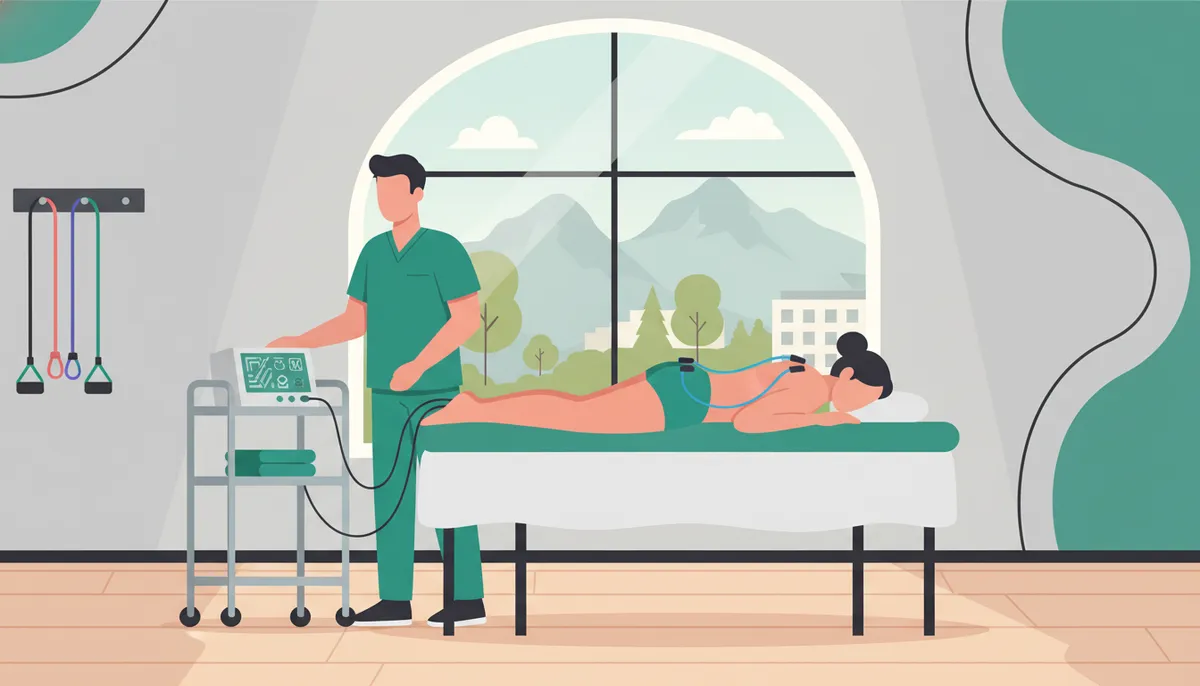
How Fort Collins Clinics Are Using TENS Therapy
Several established physical therapy providers in the Fort Collins area have incorporated electrical stimulation into their service offerings. Performance Physical Therapy, which has served Fort Collins residents since 1997, Select Physical Therapy, Rocky Mountain Physical Therapy, Colorado In Motion, and UCHealth Physical Therapy and Rehabilitation Clinic all include electrical stimulation modalities as part of their treatment protocols.
Rocky Mountain Physical Therapy specifically identifies TENS as one of the electrical stimulation modes used in patient care across its multiple Fort Collins-area locations. Select Physical Therapy’s Fort Collins clinic maintains extended weekday hours from 7:00 AM to 6:00 PM, reflecting the high demand for accessible outpatient rehabilitation services in the region. These clinics represent the standard of care that other providers in the area should consider emulating by incorporating reliable electrotherapy equipment.
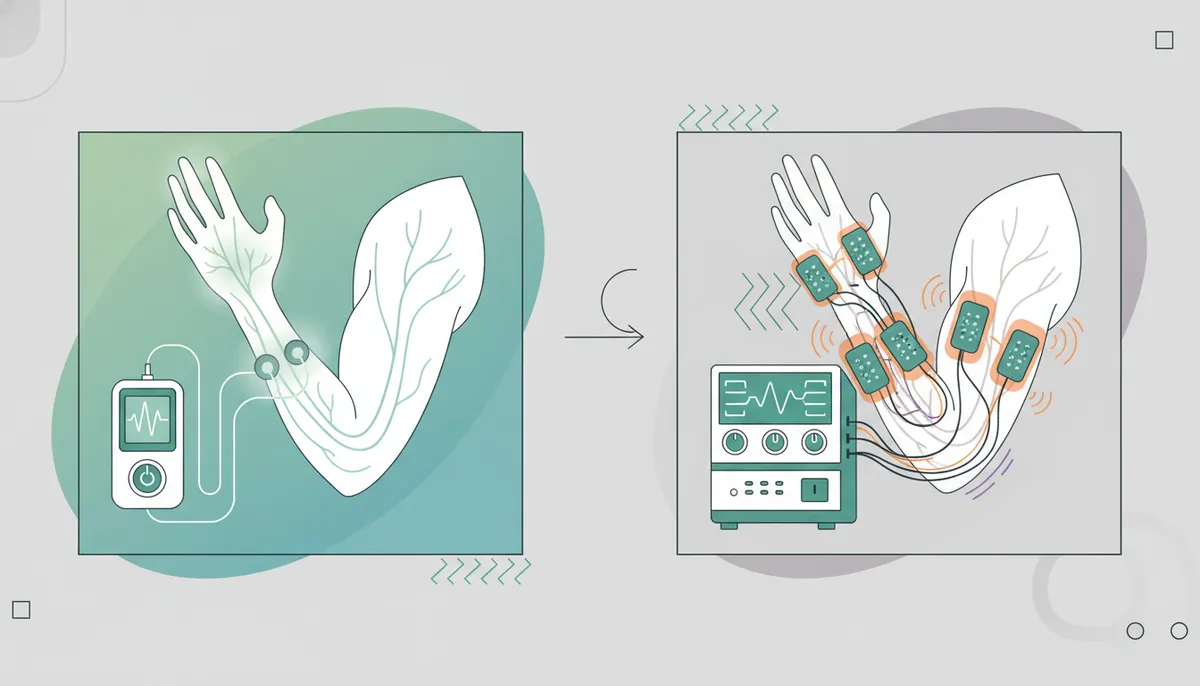
Comparing TENS to Other Electrical Stimulation Modalities
Understanding how TENS differs from other electrotherapy options helps clinicians and clinic administrators make better procurement decisions. The table below provides a structured comparison of common electrical stimulation modalities used in physical therapy settings.
| Modality | Primary Use | Mechanism | Clinical Application |
|---|---|---|---|
| TENS | Pain relief | Gate control / endorphin release | Chronic and acute pain management |
| NMES (Neuromuscular Electrical Stimulation) | Muscle re-education | Motor nerve stimulation | Post-surgical rehab, muscle atrophy |
| IFC (Interferential Current) | Deep tissue pain relief | Two medium-frequency currents | Joint pain, edema reduction |
| Russian Stimulation | Muscle strengthening | High-frequency burst stimulation | Athletic recovery, quadriceps re-education |
TENS remains the most widely applied electrical stimulation modality because of its ease of use, low risk profile, and adaptability across patient populations. For clinics evaluating TENS devices, the key is selecting equipment that offers programmable parameters, durable electrode compatibility, and consistent waveform delivery.
Key Features to Look for When Selecting TENS Units for a Clinic
Not all TENS devices are created equal. For a Fort Collins physical therapy clinic serving high patient volumes with diverse diagnostic profiles, equipment quality directly impacts treatment outcomes and operational efficiency. The following features should guide procurement decisions.
- Adjustable frequency and pulse width — Allows therapists to customize stimulation parameters for different conditions and pain thresholds
- Multiple channel outputs — Enables simultaneous treatment of multiple body areas or bilateral application for improved patient throughput
- Durable construction and battery reliability — Clinical-grade devices must withstand repeated daily use across multiple patient sessions
- Compatibility with a range of electrode types — Including standard adhesive pads, conductive garments, and specialty electrodes for targeted anatomical areas
- Clear digital interface — Reduces therapist setup time and allows for accurate, repeatable treatment protocols
Clinics should also consider whether the device supplier offers ongoing clinical support, warranty coverage, and training resources. Liberty Medical Solutions specializes in providing customized electrotherapy devices to physical therapy clinics and healthcare providers, including TENS units, back braces, cervical traction units, and conductive garments designed to meet clinical-grade standards.
TENS Unit Specifications: Clinical vs. Home-Use Devices
Physical therapy clinics must distinguish between clinical-grade and consumer-grade TENS units when evaluating equipment. The table below outlines the primary differences that inform purchasing decisions for professional settings.
| Feature | Clinical-Grade TENS | Consumer/Home-Use TENS |
|---|---|---|
| Output intensity range | Higher, with precise control | Limited, preset programs |
| Parameter customization | Fully adjustable by trained clinician | Fixed or minimally adjustable |
| Channel outputs | 2–4 channels | 1–2 channels |
| Electrode compatibility | Broad — pads, garments, specialty | Standard adhesive pads only |
| Durability | Built for repeated daily clinical use | Designed for occasional personal use |
| Regulatory compliance | FDA-cleared, medical-grade | Varies by manufacturer |
For clinics in Fort Collins that manage workers’ compensation cases, auto accident injury referrals, or complex chronic pain presentations, investing in clinical-grade equipment ensures both treatment efficacy and regulatory compliance. Providers interested in how other Colorado clinics are addressing this need can also review resources on TENS units for physical therapy clinics in Greeley and TENS units for physical therapy clinics in Pueblo.
TENS and Complementary Electrotherapy Products for Fort Collins Clinics
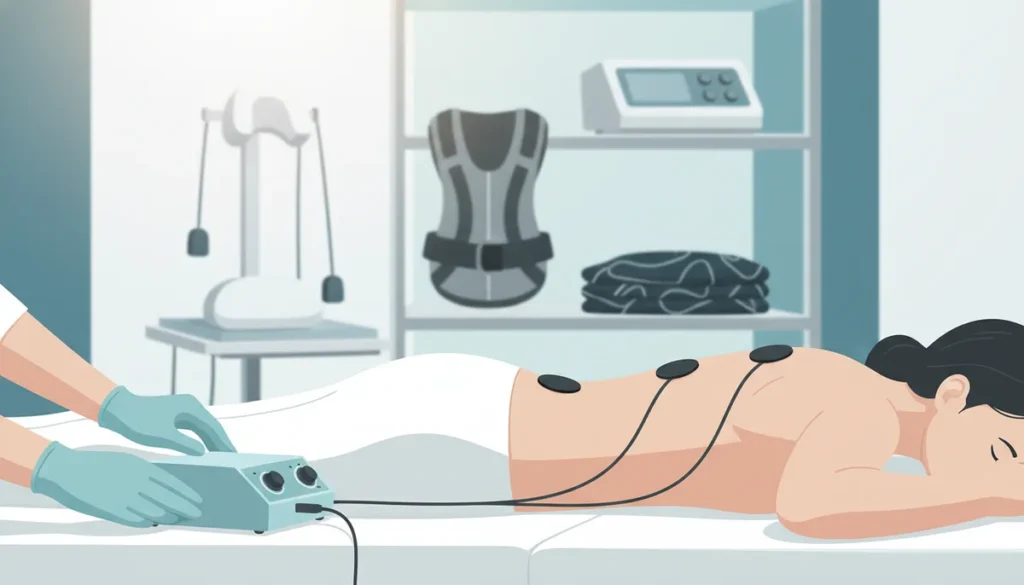
A well-equipped physical therapy clinic does not rely solely on TENS units. Integrating complementary electrotherapy and supportive products creates a more complete treatment environment for patients recovering from complex injuries or managing long-term conditions. Clinics should consider the following additional modalities alongside their TENS units.
- Back braces — Provide structural support during active rehabilitation for lumbar and thoracic conditions
- Cervical traction units — Used for decompression of cervical spine structures in neck pain and radiculopathy cases
- TheraKnit garments — Specialty conductive garments that integrate electrical stimulation delivery with comfortable anatomical coverage
- Conductive electrode garments — Improve electrode contact and stimulation distribution for patients with irregular skin surfaces or sensitivity issues
According to CDC guidance on nonopioid therapies for pain management, multimodal approaches that combine physical modalities are among the most effective strategies for managing both acute and chronic pain. Fort Collins clinics that invest in a complete electrotherapy product suite are better positioned to deliver these evidence-based, comprehensive care protocols.
Insurance and Billing Considerations for TENS in PT Clinics
For physical therapy clinics handling workers’ compensation claims, auto accident cases, and commercial PPO/POS insurance patients, understanding the billing landscape for electrotherapy is essential. The table below summarizes common insurance considerations relevant to TENS unit use in outpatient PT settings.
| Insurance Type | TENS Coverage Considerations | Documentation Required |
|---|---|---|
| Commercial PPO/POS | Often covered with out-of-network benefits | Diagnosis codes, treatment frequency, clinical notes |
| Workers’ Compensation | Generally approved for work-related musculoskeletal injuries | Injury report, functional limitations, treatment plan |
| Auto Accident / Third-Party Liability | Covered under medical payment or liability claim | Accident documentation, physician referral, progress notes |
Liberty Medical Solutions works with commercial PPO/POS plans, workers’ compensation cases, and auto accident claims to help patients and clinics access electrotherapy equipment efficiently. For clinics managing high volumes of injury-related referrals in Fort Collins, partnering with a supplier that understands insurance workflows is a significant operational advantage. Clinics interested in TENS implementation strategies across Colorado can also reference the guide on TENS units for physical therapy clinics in Arvada and how to choose TENS units for physical therapy clinics in Thornton for additional regional context.
Safety Considerations and Patient Screening for TENS Therapy
While TENS is widely regarded as safe and well-tolerated, Fort Collins clinicians must conduct appropriate patient screening before initiating treatment. Cleveland Clinic notes several potential side effects and contraindications that should be addressed during the initial clinical assessment.
- Adhesive sensitivity or skin reactions at electrode placement sites
- Uncomfortable tingling or burning sensations, particularly at higher intensities
- Contraindication for patients with implanted cardiac devices such as pacemakers
- Caution required in patients who are pregnant, particularly around the abdominal and pelvic regions
- Avoidance over areas of impaired sensation, open wounds, or active inflammation
Proper patient education is also critical when TENS units are prescribed for home use following clinic sessions. Therapists should provide clear instructions on electrode placement, intensity settings, and session duration to ensure safe self-administration. Resources on TENS units for physical therapy clinics in Lakewood and how to choose TENS units for physical therapy clinics in Westminster offer further guidance on integrating safe home-use protocols into clinic discharge planning.
Why Fort Collins Clinics Should Partner with a Specialized Electrotherapy Supplier
Selecting the right equipment partner is as important as selecting the right device. Physical therapy clinics in Fort Collins benefit most from suppliers who understand the clinical environment, offer products across the full electrotherapy spectrum, and provide reliable support for insurance billing and device customization. Generic procurement channels rarely offer the clinical expertise or product tailoring that professional rehabilitation settings require.
A specialized electrotherapy solutions provider brings product knowledge, regulatory expertise, and an understanding of how devices integrate into actual clinical workflows. For clinics managing diverse patient caseloads — from post-operative rehabilitation to chronic pain management — this expertise translates directly into better patient outcomes and more efficient clinic operations. You can explore the full range of electrotherapy products designed for clinical settings to identify the solutions that best match your practice’s needs.
Conclusion
TENS units are not merely a supplemental treatment option — they are a clinically validated, evidence-based modality that Fort Collins physical therapy clinics can leverage to deliver superior patient care across a broad spectrum of conditions. From acute injury recovery to chronic pain management, TENS therapy offers a noninvasive, cost-effective, and patient-friendly solution that integrates seamlessly into existing rehabilitation programs. When supported by a comprehensive electrotherapy product suite including back braces, cervical traction units, and conductive garments, TENS becomes part of a genuinely transformative clinical toolkit.
Equipping your Fort Collins clinic with the right TENS devices and complementary electrotherapy solutions starts with working with a knowledgeable, specialized supplier. Reach out to the Liberty Medical Solutions team today to discuss how customized electrotherapy equipment can elevate your clinic’s treatment capabilities and patient outcomes.
FAQs
Q: What is a TENS unit used for in physical therapy?
A: A TENS unit delivers low-voltage electrical stimulation through skin electrodes to reduce pain perception, making it a widely used noninvasive modality in physical therapy for conditions including back pain, osteoarthritis, fibromyalgia, tendinitis, and neuropathy. Physical therapists use TENS as part of comprehensive rehabilitation programs to help patients manage both acute and chronic pain without reliance on pharmacological interventions.
Q: How do physical therapy clinics in Fort Collins use TENS therapy?
A: Physical therapy clinics in Fort Collins incorporate TENS as part of their electrical stimulation treatment protocols, applying it alongside manual therapy, therapeutic exercise, and other modalities. Established clinics such as Rocky Mountain Physical Therapy and Performance Physical Therapy include electrical stimulation options — including TENS — in their standard care offerings for patients with musculoskeletal and neurological conditions.
Q: Is TENS therapy effective for chronic pain management?
A: TENS therapy is recognized as an effective noninvasive option for managing chronic pain, with clinical evidence supporting its use for conditions such as osteoarthritis, fibromyalgia, and diabetic neuropathy. The CDC and FDA both acknowledge the value of nonopioid modalities like TENS in reducing dependence on prescription pain medications during long-term pain management programs.
Q: When should a patient not use a TENS unit?
A: TENS is contraindicated for patients with implanted cardiac devices such as pacemakers, and should be used with caution in individuals who are pregnant, have impaired skin sensation, or have open wounds at the intended electrode placement sites. A qualified physical therapist should conduct a thorough patient screening before initiating TENS therapy to ensure safety and appropriateness of treatment.
Q: Can patients use TENS units at home after their clinic sessions?
A: Yes, many physical therapy clinics prescribe TENS units for supervised home use as part of a patient’s ongoing pain management plan following in-clinic treatment. Patients should receive detailed instruction from their therapist on proper electrode placement, intensity settings, and session duration to ensure safe and effective self-administration between clinic visits.