Key Takeaways
-
TENS is most effective as an adjunct within multimodal care plans rather than a standalone treatment; evidence supports short-term pain reduction with a standardized mean difference of -0.96 compared to placebo across 381 studies.
-
Clinics must screen for contraindications before every treatment, particularly pacemakers, ICDs, implanted electronic devices, pregnancy, seizure disorders, and areas with reduced skin sensation to prevent serious complications.
-
Precise electrode placement and stimulation settings directly affect outcomes; clinics should standardize placement protocols by diagnosis (e.g., paraspinal for back pain, dermatomal for neck pain) and set intensity to strong but comfortable levels.
-
Clinical-grade TENS devices differ significantly from consumer units in waveform options, durability for daily use, programmability, and FDA clearance, making them essential investments for high-volume clinics.
-
Insurance coverage for electrotherapy varies by plan type; clinics should establish intake procedures for insurance verification and maintain documentation of baseline pain, functional status, and treatment response for reimbursement purposes.
-
TENS demonstrates a favorable safety profile with no serious adverse events in reviewed evidence; mild side effects like temporary skin irritation are minimized by ensuring electrodes are placed only on clean, dry, intact skin.
Patients arrive at physical therapy clinics, chiropractic offices, and auto injury centers searching for relief that does not depend solely on pharmaceuticals. Electrotherapy pain management, particularly transcutaneous electrical nerve stimulation (TENS), has become a foundational tool for providers who want to offer evidence-informed, noninvasive options alongside manual therapy, exercise, and rehabilitation protocols. Yet not all clinics apply this modality with the same precision, and not all TENS devices are built for demanding clinical environments.
According to the National Institutes of Health, chronic pain affects a substantial share of U.S. adults, underscoring why clinics need reliable, adjunctive tools that support multimodal care plans. For physical therapists, chiropractors, and auto accident injury clinics, understanding how electrotherapy pain management actually works, what the evidence shows, and how to select appropriate equipment is essential to delivering measurable outcomes. This article breaks down eight critical facts every clinical provider should know before recommending or purchasing electrotherapy equipment for patient care.
1. Electrotherapy Pain Management Relies on Controlled Electrical Stimulation, Not Guesswork
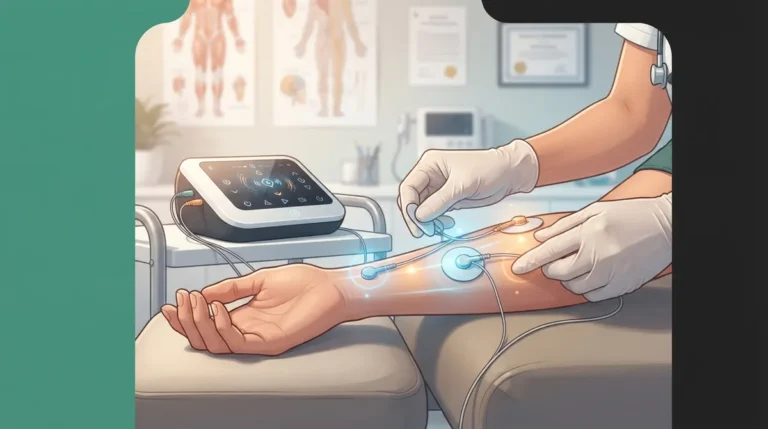
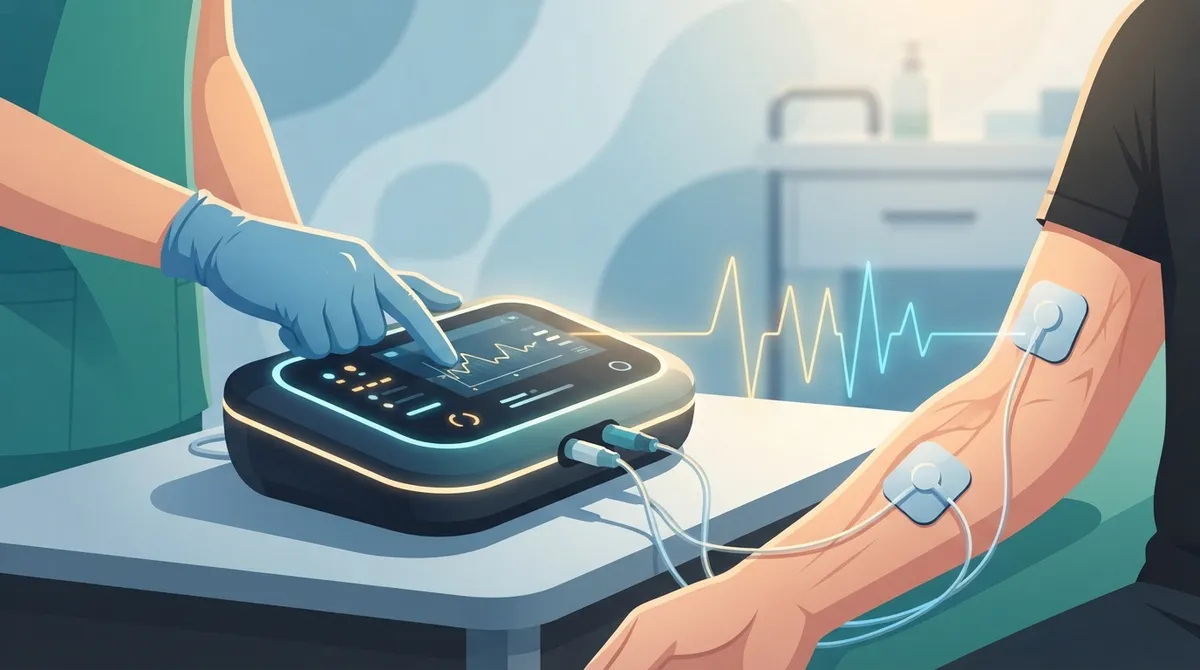
At its core, electrotherapy pain management refers to the noninvasive delivery of electrical current through the skin to modulate pain signals. TENS remains the most widely used modality, but related technologies such as interferential current (IFC), neuromuscular electrical stimulation (NMES), and percutaneous electrical nerve stimulation (PENS) serve distinct clinical purposes. Each modality differs in waveform, depth of penetration, and intended application, which is why clinics benefit from understanding the mechanism before integrating any device into a treatment plan.
TENS is generally applied through adhesive electrodes placed on or near the painful region at an intensity that is strong but comfortable. The Cleveland Clinic explains that this stimulation is believed to interrupt pain signal transmission to the brain while also encouraging the body’s natural release of endorphins. For providers building rehabilitation protocols, this dual mechanism is why TENS is frequently paired with manual therapy and therapeutic exercise rather than used as a standalone treatment.

2. The Evidence Supports Short-Term Relief, With Nuance by Condition
Clinical evidence for electrotherapy pain management is strongest for immediate or short-term pain reduction rather than long-term disease modification. A 2022 systematic review and meta-analysis published in Pub Med, which examined 381 studies, found moderate-certainty evidence that TENS reduced pain intensity during or immediately after treatment compared with placebo. The analysis, covering 91 randomized controlled trial samples and 4,841 participants, reported a standardized mean difference of -0.96, indicating a meaningful reduction in reported pain scores.
The same review found that TENS outperformed standard pharmacological or non-pharmacological care in 61 trial samples involving 3,155 participants, though this evidence carried lower certainty. This distinction matters for clinics: TENS should be positioned as a valuable adjunct within a broader pain management plan rather than a replacement for diagnosis or comprehensive care. Providers can review this data further through the National Library of Medicine, which summarizes current guidance on TENS application across clinical settings.
3. Safety Profile Is Favorable When Devices Are Used Correctly
One reason electrotherapy pain management has gained traction across physical therapy clinics, chiropractic practices, and auto injury centers is its favorable safety profile. The 2022 meta-analysis found no statistically significant difference in adverse-event risk between TENS and comparator treatments, with a risk ratio of 0.73 across 18 randomized trials involving 1,587 participants. No serious adverse events were directly attributable to TENS in the reviewed evidence base.
Most reported side effects were mild and localized, such as temporary redness, itching, or skin irritation at the electrode site. To minimize these effects, clinics should ensure electrodes are placed only on clean, dry, intact skin with normal sensation, and that electrotherapy electrodes are replaced according to manufacturer guidance rather than reused beyond their effective lifespan.
4. Contraindications Must Be Screened Before Every Treatment
Patient safety in electrotherapy pain management depends heavily on proper screening. The FDA has clarified contraindications for certain TENS devices, particularly regarding patients with pacemakers, implantable cardioverter-defibrillators, or other implanted electronic devices, due to risks of electrical interference or burns.
Clinics should incorporate a standardized screening checklist into intake procedures. Key contraindications include:
- Patients with pacemakers, ICDs, or other implanted electronic or metallic devices
- Pregnancy, when electrodes would be placed on the abdomen, pelvis, or low back
- Seizure disorders, when stimulation is applied near the head, neck, or shoulder
- Active bleeding, thrombosis, or infection at the treatment site
- Markedly reduced skin sensation or open wounds in the target area
Electrodes should never be placed across the chest, over the front of the neck or carotid sinus, over the eyes, or directly over an active tumor unless specifically directed by a clinician for that use. Building this screening into every patient encounter protects both patients and practices from preventable complications.
5. Electrode Placement and Settings Directly Affect Clinical Outcomes
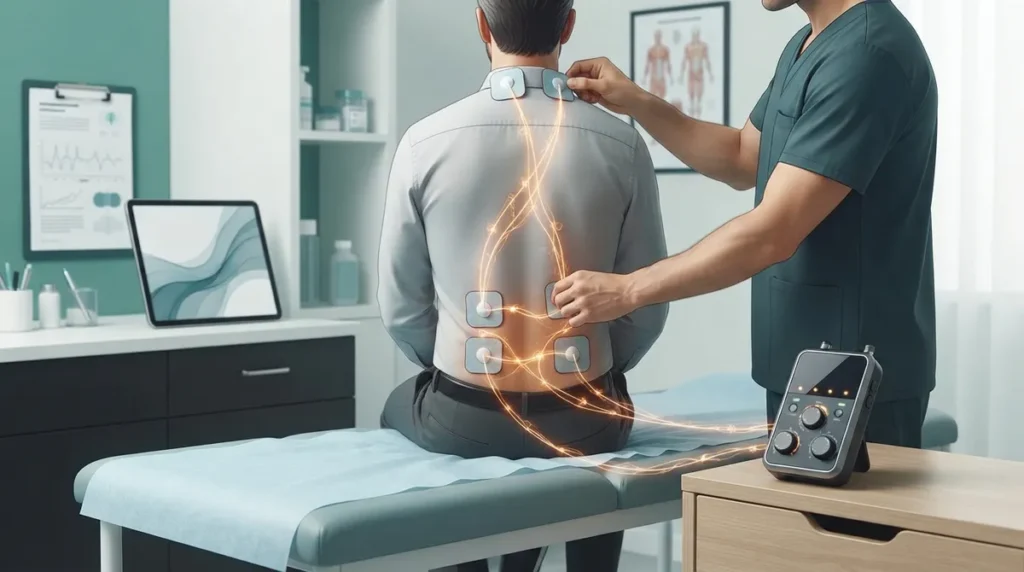
Effective electrotherapy pain management is not simply about turning on a device — precise electrode placement and stimulation parameters influence whether a patient experiences meaningful relief. For back pain, electrodes are typically positioned to bracket the affected paraspinal region. For cervical or neck pain, placement often follows dermatomal patterns while avoiding the anterior neck. Knee and joint pain protocols may require electrode placement around, rather than directly over, the affected joint space.
Clinics treating a high volume of musculoskeletal complaints benefit from standardizing placement protocols by diagnosis. Providers can reference detailed placement guidance in resources such as 10 TENS Unit Pads Placement Tips for Clinical Results and How to Set Your TENS Unit to the Right Intensity Level, both of which outline evidence-based approaches to optimizing treatment sessions.
Recommended Steps for Consistent Clinical Application
- Confirm diagnosis and rule out contraindications through patient screening
- Select appropriate electrode size and placement based on the treatment area
- Set intensity to a strong but comfortable, non-painful level
- Determine treatment duration based on patient tolerance and clinical protocol
- Reassess pain levels and function at each visit to adjust settings as needed
6. Not All TENS Devices Are Built for Clinical Demands
Consumer-grade TENS units sold for occasional home use often lack the durability, programmability, and waveform variety required in a busy clinical setting. Physical therapy clinics, chiropractic practices, and auto accident injury clinics need devices that can withstand daily use across multiple patients while offering flexible protocols for different diagnoses.
The table below outlines key differences clinics should evaluate when comparing electrotherapy equipment for professional use.
| Feature | Clinical-Grade Considerations | Why It Matters |
|---|---|---|
| Waveform options | Multiple modes (TENS, IFC, NMES) | Supports varied diagnoses and treatment goals |
| Durability | Rated for repeated daily clinical use | Reduces replacement costs and downtime |
| Programmability | Adjustable frequency, pulse width, intensity | Allows customization per patient protocol |
| Portability | Compact design for home-use prescriptions | Extends care beyond in-clinic sessions |
| Regulatory clearance | FDA-cleared for pain indications | Confirms intended use and safety standards |
Clinics evaluating equipment should review comprehensive comparisons such as What Makes the Best TENS Machine for Clinical Use? and How to Choose the Best TENS Unit for Your Clinical Practice before committing to a supplier.
7. Insurance and Reimbursement Pathways Shape Patient Access
For many clinics, particularly those treating auto accident injuries or workers’ compensation cases, insurance navigation is as important as clinical protocol. Electrotherapy pain management devices may be covered under commercial PPO/POS plans, workers’ compensation, or auto accident claims, but coverage criteria often differ from FDA clearance or published clinical evidence.
A 2025 U.S. insurance medical policy described TENS as potentially medically necessary for selected musculoskeletal or post-trauma pain when other modalities have not provided sufficient relief, illustrating why documentation and diagnosis coding matter for reimbursement. Clinics working with auto injury claims or third-party liability cases should establish clear intake procedures for insurance verification before dispensing devices. Liberty Medical Solutions works directly with commercial PPO/POS plans, workers’ compensation, and auto accident claims, helping clinics reduce administrative friction while making electrotherapy products accessible to a broader patient population.
8. Partnering With an Established Supplier Improves Consistency and Outcomes
Clinics that source electrotherapy equipment from an experienced, ISO-certified supplier tend to experience fewer device failures, more consistent patient outcomes, and smoother insurance processing. Liberty Medical Solutions has worked with physical therapy clinics, chiropractic practices, and auto accident injury centers to provide customized TENS devices, back braces, cervical traction units, and conductive garments tailored to specific patient populations.
Beyond product selection, an experienced partner helps clinics stay current on best practices. Providers can explore additional clinical resources including Nerve Stimulators in Electrotherapy: A Clinical Guide for Providers and 15 Essential Medical Supplies Every Electrotherapy Clinic Needs to ensure their treatment offerings remain aligned with current standards of care.
Building a Responsible Electrotherapy Pain Management Protocol
Electrotherapy pain management works best when it is one component of a broader, clinician-directed treatment strategy rather than an isolated intervention. The CDC has emphasized the value of nonopioid pain management strategies, and TENS fits well within this framework when applied alongside exercise, manual therapy, and patient education. Clinics that document baseline pain levels, functional status, and treatment response are better positioned to demonstrate value to both patients and payers.
Providers should also communicate realistic expectations with patients. As noted by WebMD, TENS may reduce pain during and shortly after use, but it is not universally effective for every diagnosis, and guidance from bodies such as NICE has not recommended it for all chronic pain presentations. Setting these expectations upfront helps maintain trust and supports adherence to comprehensive rehabilitation plans.
Key Takeaways for Clinical Teams
- Electrotherapy pain management is most effective as an adjunct, not a standalone cure
- Screening for contraindications should occur before every new treatment plan
- Electrode placement and intensity settings should be standardized by diagnosis
- Clinical-grade equipment differs meaningfully from consumer devices
- Insurance verification and documentation are essential for auto injury and workers’ compensation cases
Clinics that build these principles into daily practice tend to see stronger patient satisfaction, better documentation for insurance purposes, and more consistent clinical outcomes across diverse patient populations, including those recovering from whiplash, soft tissue injuries, and chronic musculoskeletal conditions.
Moving Forward With a Trusted Electrotherapy Partner
Selecting the right electrotherapy pain management devices, understanding contraindications, and navigating insurance requirements can feel complex, especially for clinics balancing high patient volumes with strict documentation standards. Liberty Medical Solutions has spent years helping physical therapy clinics, chiropractic practices, and auto accident injury centers implement electrotherapy protocols that are safe, effective, and properly supported through insurance channels. From TheraKnit garments to advanced TENS units, the goal remains the same: equipping providers with reliable tools that support genuine patient recovery.
If your practice is ready to strengthen its electrotherapy pain management offerings with equipment backed by clinical expertise and insurance support, reach out to our team today to discuss the right solutions for your patients.
FAQs
Q: What is electrotherapy pain management and how does TENS work?
A: Electrotherapy pain management uses controlled electrical stimulation, most commonly delivered through TENS, to reduce pain signals traveling to the brain while promoting the release of natural endorphins. Electrodes are placed on or near the painful area and set to a strong but comfortable intensity as part of a broader treatment plan.
Q: Does TENS actually relieve chronic pain?
A: Evidence supports TENS for reducing pain intensity during or immediately after treatment, with a 2022 meta-analysis of 381 studies showing a significant standardized mean difference compared with placebo. However, evidence for lasting, long-term relief varies by condition, so TENS is best used as an adjunct alongside exercise, physical therapy, and other clinician-directed care.
Q: Is TENS safe for patients with pacemakers or other implanted devices?
A: TENS is generally contraindicated for patients with pacemakers, implantable cardioverter-defibrillators, or other implanted electronic devices due to the risk of electrical interference. Clinics should screen every patient for implanted devices before beginning any electrotherapy protocol.
Q: What is the difference between TENS, IFC, NMES, and PENS?
A: TENS primarily targets pain signal modulation through surface electrodes, while interferential current (IFC) uses crossing electrical currents to reach deeper tissue. Neuromuscular electrical stimulation (NMES) is designed to stimulate muscle contraction for rehabilitation, and percutaneous electrical nerve stimulation (PENS) involves needle-based electrodes for more targeted nerve stimulation.
Q: How do clinics choose a safe, effective electrotherapy device for professional use?
A: Clinics should prioritize devices with FDA clearance for pain indications, adjustable waveform and intensity settings, and durability suited for repeated daily use. Working with an established supplier that understands insurance requirements and clinical protocols helps ensure consistent outcomes and proper patient support.