Key Takeaways
-
Start conservatively with 20-30 minutes once or twice daily, then reassess after one week before increasing to 2-3 sessions daily based on patient tolerance and symptom response.
-
There is no universal daily limit; frequency depends on stimulation mode, treatment goal, skin response, and device manual—always follow personalized clinician protocols rather than generic online guidance.
-
Stop treatment immediately if patient experiences pain, dizziness, burning sensations, skin irritation, blistering, or worsening symptoms; inspect skin after every session and rotate electrode placement if needed.
-
Never use TENS while sleeping, driving, bathing, or over the neck, chest, genitals, broken skin, or areas lacking sensation; patients with pacemakers or implanted devices need specialist approval before use.
-
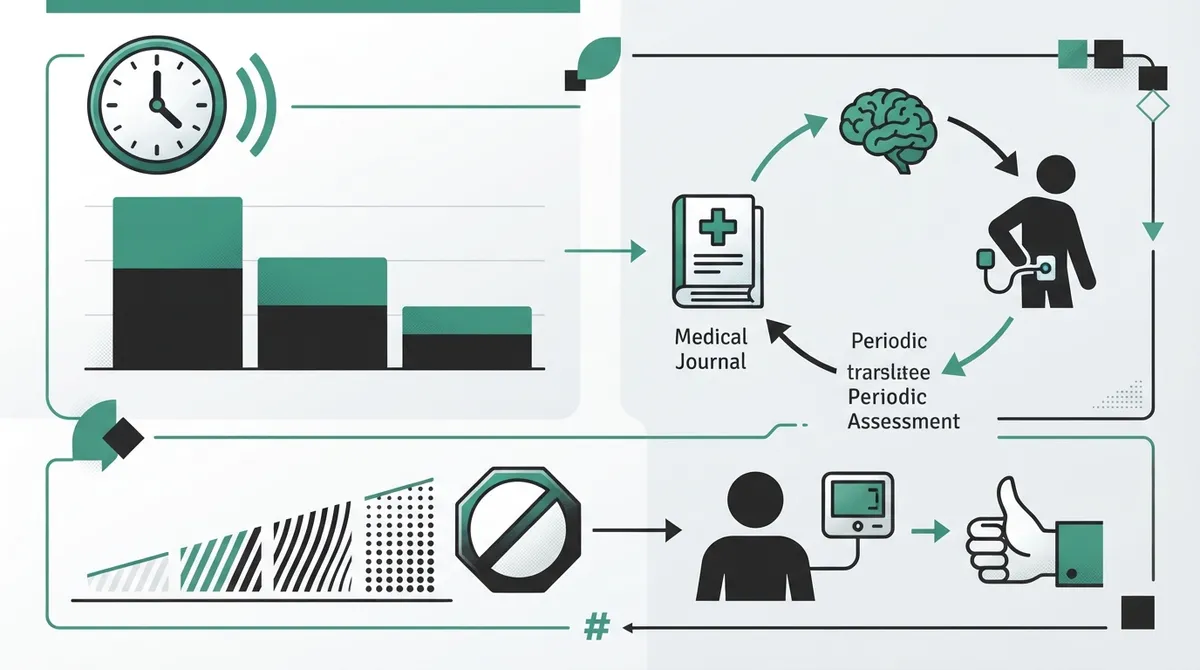
Document patient response including pain scores, skin condition, and functional improvement at follow-up visits within 2-4 weeks to justify continued frequency and adjust protocols based on evidence.
-
Clinical consensus supports 1-3 sessions daily for 20-60 minutes with adequate breaks between sessions; continuous back-to-back use increases skin irritation risk and reduces TENS effectiveness.
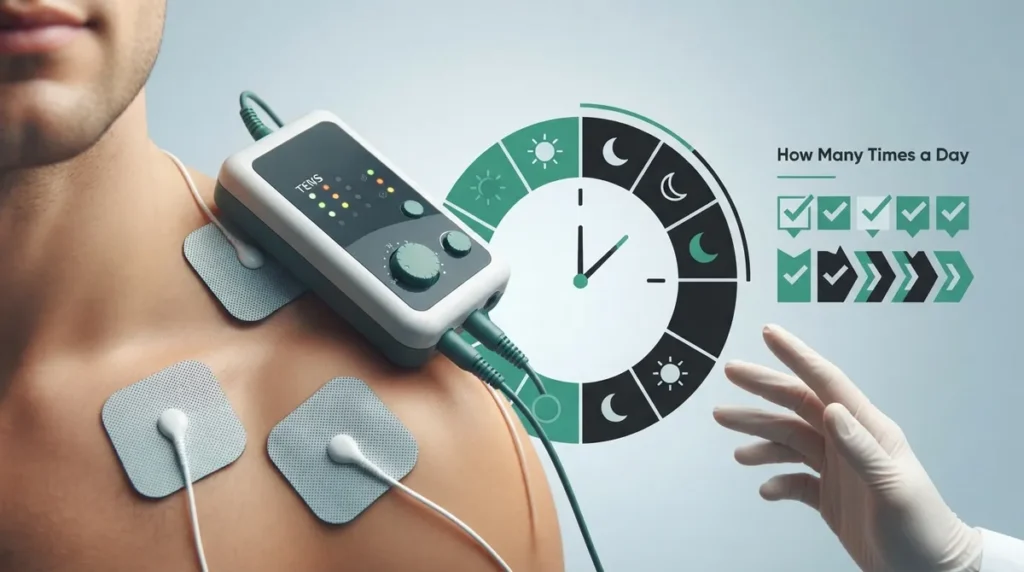
Patients and providers alike frequently ask how often a TENS unit can be used without risking harm or diminishing its therapeutic value. For physical therapy clinics, chiropractic practices, and auto accident injury clinics, giving patients a clear, clinically sound answer is essential to both safety and treatment adherence. This article outlines what current clinical guidance says about daily TENS frequency, how to build a session plan around a patient’s condition, and when caution or a physician referral is warranted.
There is no single universal number that applies to every patient or every device. Session frequency depends on the stimulation mode, the treatment goal, the patient’s skin response, and the specific instructions provided with the unit. Clinics that supply patients with take-home devices, such as those distributed through Liberty Medical Solutions, typically pair each unit with a written usage protocol so patients are not left guessing. Understanding the research behind these protocols allows providers to counsel patients confidently and reduce follow-up calls about improper use.
What the Clinical Evidence Says About Daily TENS Use
According to the Cleveland Clinic, some patients use TENS therapy several times per day for sessions of up to 60 minutes, though the organization still recommends consulting a healthcare provider before establishing a routine. This reflects a broader theme in the clinical literature: guidance varies by institution, condition, and device design, and there is no fixed daily ceiling that applies universally.
Different health systems have published different protocols, which can create confusion for patients researching the topic independently. Reviewing these variations helps clinics explain why an individualized plan, rather than a generic online answer, is the safest approach.
- An NHS Leicester Hospitals patient guide permits TENS use for up to 12 hours per day but explicitly advises against exceeding that duration.
- The same Leicester Hospitals guidance limits burst-mode treatment to no more than four sessions daily, each lasting 30 minutes.
- West Suffolk NHS guidance references sessions of 60 to 90 minutes, four times per day, for some patients, while emphasizing that no single duration fits all users.
- A commonly cited starting point across manufacturer and clinical resources is 20 to 60 minutes per session, one to three times daily, with breaks between sessions.
These figures illustrate why clinics should anchor their patient instructions to the specific device manual and treatment plan rather than a single rule pulled from general internet searches. Providers working with devices from a trusted supplier receive documentation that reflects the intended use of each unit’s stimulation modes.
Building a Practical Daily Session Plan for Patients
Chiropractic practices and physical therapy clinics often see the widest range of patient needs, from acute post-adjustment soreness to chronic lumbar pain managed over months. A structured approach to session planning helps standardize patient education across a busy practice.
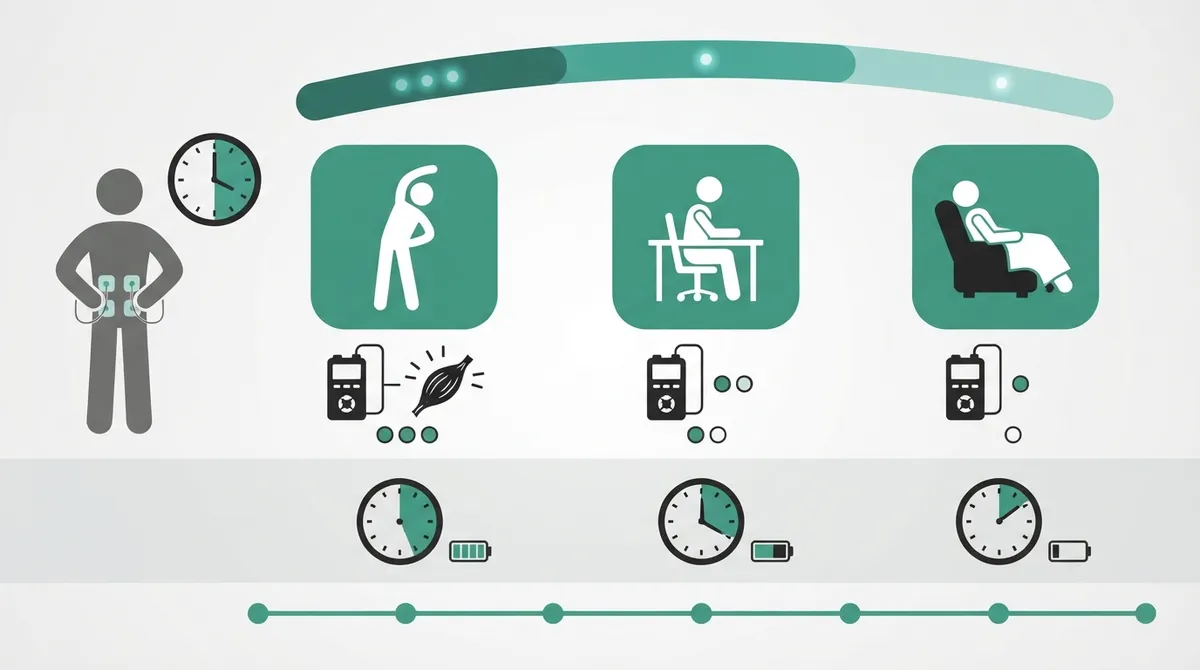
- Start conservatively. Begin new patients at 20 to 30 minutes per session, once or twice daily, to gauge skin tolerance and symptom response before increasing frequency.
- Reassess after the first week. If the patient tolerates treatment well and reports meaningful relief, frequency can be adjusted to two or three sessions per day, consistent with the ranges cited by the Cleveland Clinic and NHS sources above.
- Space sessions with adequate breaks. Continuous, back-to-back use without rest periods increases the risk of skin irritation and reduces the sensory contrast that makes TENS effective.
- Document response at follow-up visits. Chiropractors and physical therapists should record pain scores, skin condition, and functional improvement to justify continued frequency or adjust the protocol.
- Escalate to a clinician review if symptoms change. Any new or worsening pain warrants a full reassessment rather than simply increasing TENS frequency.
This stepwise model is particularly useful for auto accident treatment cases, where whiplash and soft tissue injuries often require frequent, short sessions in the early recovery phase before tapering as healing progresses.
Comparing Common Daily Usage Guidelines
Because published guidance varies by source and stimulation mode, clinics benefit from having a quick-reference comparison to share with staff and patients. The table below summarizes the ranges most frequently cited in clinical literature.
| Source or Protocol | Session Length | Frequency | Notes |
|---|---|---|---|
| General clinical starting point | 20–60 minutes | 1–3 times daily | Common baseline for new patients; adjust per tolerance |
| NHS Leicester (continuous mode) | Up to 12 hours | Once daily, not to exceed 12 hours | Applies to specific continuous-mode protocols |
| NHS Leicester (burst mode) | 30 minutes | Up to 4 times daily | Burst mode differs from standard continuous stimulation |
| West Suffolk NHS | 60–90 minutes | Up to 4 times daily | Described as one option; not universal |
These differences underscore why the device manual and clinician’s plan should always take precedence over generalized figures found online. Clinics that source equipment through a knowledgeable supplier can request clearer documentation for patient handouts, reducing ambiguity during in-office counseling.
Recognizing When to Reduce Frequency or Stop Treatment
TENS therapy should feel like a strong but comfortable tingling sensation, never pain or an uncontrolled muscle contraction. Providers should train patients to recognize warning signs that call for reduced frequency or a pause in treatment.
- Pain, dizziness, or worsening symptoms during or after a session
- Excessive muscle fatigue following stimulation
- Burning sensations or persistent skin irritation at the electrode site
- Itching, redness, or blistering that does not resolve promptly after removing the pads
Skin should be inspected after every session. If irritation develops, the affected area should rest before electrodes are reapplied, and providers may recommend rotating electrode placement to distribute contact stress, a technique discussed further in this guide to TENS pad placement. Clean, dry, intact skin is essential for both comfort and consistent conduction.
Safety Boundaries That Apply Regardless of Frequency
Beyond daily session counts, certain safety rules remain constant no matter how often a patient uses their device. Chiropractic and physical therapy staff should reinforce these points during onboarding for any home-use unit.
- Never use TENS while sleeping, bathing, showering, driving, or operating machinery.
- Always turn the device off before placing, removing, or repositioning electrodes.
- Avoid placement over the front or side of the neck, the head, eyes, mouth, chest, genitals, infected or broken skin, open wounds, areas of absent sensation, active bleeding or thrombosis, or directly over a tumor.
- During pregnancy, avoid placement over the abdomen, pelvis, or lower back unless specifically directed by an obstetric clinician.
Patients with pacemakers, implantable cardioverter-defibrillators, or other implanted electronic devices should seek specialist medical advice before using TENS; many clinical sources recommend avoiding it altogether in these cases. Additional caution or professional guidance applies to patients with epilepsy, heart disease, cancer, bleeding disorders, thrombosis, impaired sensation, or significant skin disease. According to NIH-published clinical references, contraindications should always be reviewed on a case-by-case basis rather than assumed safe by default.
Why Frequency Guidance Matters for Auto Accident and Insurance-Based Care
Auto accident injury clinics face a unique documentation burden, since treatment frequency often factors into insurance claim reviews. Establishing a clear, evidence-based TENS protocol supports both patient recovery and claims documentation for workers’ compensation, PPO/POS plans, and third-party liability cases. Liberty Medical Solutions works with a range of insurance structures, including PPO insurance coverage for electrotherapy, which can simplify the process of getting patients approved for take-home devices with a defined usage schedule.
Consistent documentation of session frequency, duration, and patient-reported outcomes strengthens the medical record and demonstrates that electrotherapy is being used as a structured, monitored treatment rather than an unsupervised add-on. This is particularly relevant given that chronic pain affects a substantial portion of the adult population; research highlighted by the National Institutes of Health found persistent chronic pain remains common among U.S. adults, reinforcing the need for accessible, well-documented non-drug pain management tools like TENS.
Supporting Non-Opioid Pain Management Goals
Both the FDA and the CDC have emphasized expanding non-opioid options for chronic pain management. TENS therapy fits squarely within this effort when used correctly and consistently, giving chiropractors and physical therapists a defensible, evidence-supported tool to offer patients seeking alternatives to medication-based pain control.
Clinics that want to strengthen their non-drug pain management offerings can review broader strategies in this resource on how electrotherapy delivers pain control without medication. Pairing TENS with complementary tools such as back braces or conductive garments can extend relief between sessions, particularly for patients managing chronic lumbar or cervical conditions.
Practical Recommendations for Clinics Dispensing Home-Use Units
When a physical therapy clinic or chiropractic office sends a patient home with a TENS unit, clear written instructions reduce confusion and improve compliance. The following recommendations reflect the clinical consensus described throughout this article.
- Provide a written protocol specifying session length, frequency, and electrode placement tailored to the patient’s diagnosis.
- Instruct patients to start at the lower end of the recommended range and increase only with clinician approval.
- Advise patients to inspect skin after each session and report any irritation immediately.
- Remind patients that TENS manages symptoms but does not treat the underlying cause of pain, so persistent or worsening pain should prompt a follow-up visit rather than more frequent stimulation.
- Schedule a follow-up appointment within two to four weeks to reassess frequency, intensity, and overall response.
Clinics evaluating which devices to stock for take-home use may find it helpful to review comparative guidance such as what makes the best TENS machine for clinical use, which addresses stimulation modes, intensity control, and durability considerations relevant to daily patient use.
Conclusion
There is no single answer to how many times a day a TENS unit can be used safely, but the clinical consensus points to a practical starting range of one to three sessions daily, each lasting 20 to 60 minutes, with adjustments made according to the device manual, the treatment goal, and the patient’s response. Chiropractors, physical therapists, and auto accident injury clinics that build structured, documented protocols around these principles give patients both safety and confidence in their home-use electrotherapy routine. For clinics ready to standardize their TENS dispensing protocols with equipment backed by clear documentation and insurance support, reach out to Liberty Medical Solutions today to discuss customized electrotherapy solutions for your practice.
FAQs
Q: How long should I use a TENS unit each session?
A: A practical starting point is 20 to 60 minutes per session, though some clinical protocols permit longer or shorter durations depending on the stimulation mode and treatment goal. Always follow the specific device manual and your clinician’s instructions rather than assuming a single duration applies universally.
Q: Can I use a TENS unit every day for chronic pain?
A: Yes, many patients with chronic pain use TENS daily, often one to three times per day, as long as the skin remains healthy and the stimulation stays comfortable. Ongoing daily use should still be reviewed periodically by a healthcare provider to confirm it remains appropriate.
Q: How many hours can I wear a TENS unit in 24 hours?
A: Some NHS guidance permits continuous wear for up to 12 hours per day, while other protocols recommend shorter, scheduled sessions such as four 30-minute burst-mode treatments. The safe upper limit depends entirely on the device and mode, so the manufacturer’s instructions should always guide the decision.
Q: Can I sleep or exercise while wearing a TENS unit?
A: TENS should not be used while sleeping, bathing, showering, driving, or operating machinery, since the inability to monitor the device or skin response during these activities increases risk. The device should be turned off before repositioning or removing electrodes at any time.
Q: What should I do if TENS causes skin irritation or makes my pain worse?
A: Stop treatment on the affected area immediately, allow the skin to recover, and consider rotating electrode placement before resuming. If pain worsens or new symptoms appear, consult your chiropractor or physical therapist rather than increasing TENS frequency to compensate.