Key Takeaways
-
TENS units are covered under Medicare HCPCS code E0730 and many commercial insurance plans, workers' compensation, and auto accident policies, making them accessible for San Diego patients and improving clinic billing opportunities.
-
TENS therapy is effective for diverse conditions including chronic low back pain, cervical pain, postoperative discomfort, arthritis, sports injuries, and neuropathic pain, making it a versatile tool for clinics serving varied patient populations.
-
Portable TENS units prescribed for home use extend pain management between clinic visits and improve patient adherence to rehabilitation programs, supporting better long-term outcomes in auto accident and workers' compensation cases.
-
TENS units complement manual therapy and exercise rehabilitation when integrated into comprehensive treatment plans, with sessions lasting only 10-30 minutes, allowing clinics to enhance care without extending appointment times.
-
Modern TENS devices allow customization of frequency (1-150 Hz), pulse width, and intensity to match individual patient conditions—high frequency for acute pain gating and low frequency for chronic pain via endorphin release.
-
Pairing TENS therapy with specialized accessories like conductive garments, cervical traction units, and back braces creates multi-modal treatment approaches that improve electrode contact and clinical outcomes for conditions like diffuse lumbar pain and cervical radiculopathy.
Physical therapy clinics across San Diego are constantly searching for evidence-based, non-invasive modalities that deliver measurable results for patients managing musculoskeletal pain, post-surgical recovery, and chronic conditions. Among the most reliable tools in the modern rehabilitation toolkit, TENS units for physical therapy clinics in San Diego have become a clinical standard — and for good reason. Transcutaneous electrical nerve stimulation (TENS) offers a drug-free, low-risk pathway to pain relief that complements manual therapy, corrective exercise, and other rehabilitation methods. As the demand for non-opioid pain management continues to rise — supported by guidance from the FDA on expanding non-opioid treatment options — San Diego PT clinics are increasingly integrating TENS into their standard care protocols. This article explores twelve compelling reasons why TENS units belong in every physical therapy clinic in San Diego, with practical insights for providers looking to enhance their electrotherapy offerings.
What Are TENS Units and How Do They Work?
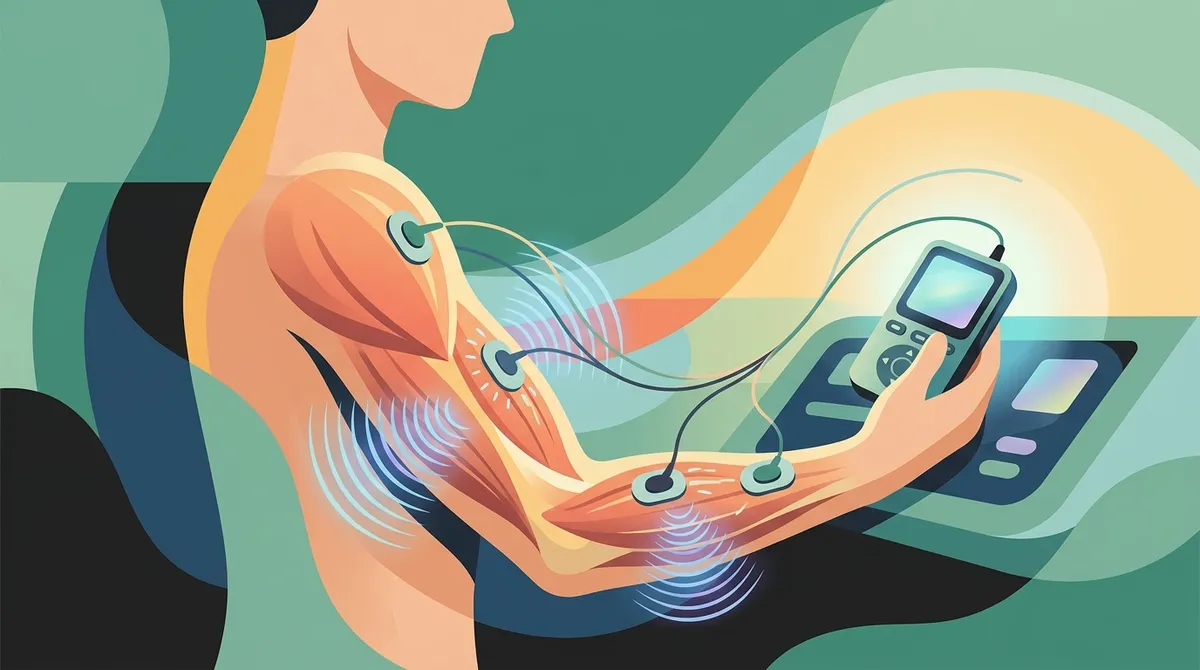
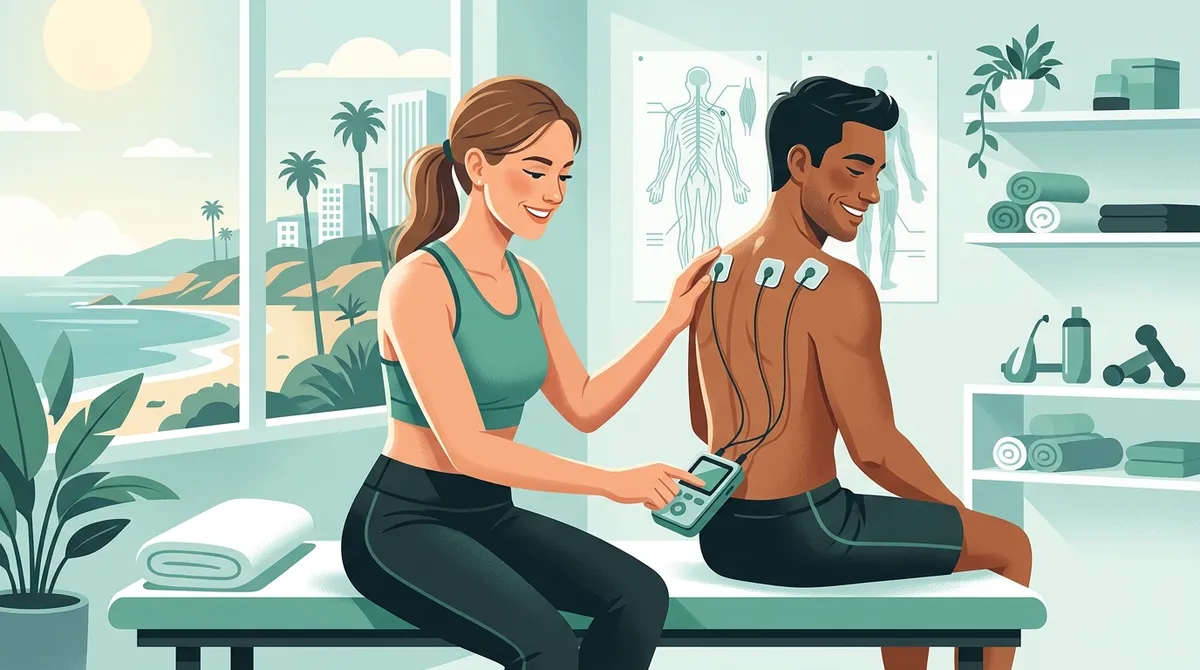
TENS units deliver low-voltage electrical impulses through adhesive electrodes placed on the skin’s surface. These impulses travel along peripheral nerve fibers and are thought to reduce pain perception by interfering with pain signaling pathways — a mechanism supported by both the gate control theory and endorphin release models. According to the Cleveland Clinic, TENS therapy is widely used for musculoskeletal pain, nerve pain, and postoperative discomfort. Clinicians can adjust frequency, pulse width, and intensity to match individual patient comfort levels and treatment goals, making TENS a highly customizable modality within the clinical setting.
12 Reasons TENS Units Are Essential for San Diego Physical Therapy Clinics
1. Drug-Free Pain Management Aligned with Current Guidelines
With national health authorities emphasizing non-opioid alternatives, TENS units offer a clinically validated, drug-free approach to pain relief. The CDC actively supports non-pharmacological pain management strategies, making TENS a natural fit for San Diego clinics committed to responsible, patient-centered care.
2. Effective for a Wide Range of Conditions
TENS therapy supports treatment across a broad diagnostic spectrum. San Diego physical therapists commonly use TENS for patients presenting with the following conditions:
- Chronic low back pain and lumbar strain
- Cervical pain and whiplash injuries
- Postoperative pain following orthopedic procedures
- Arthritis-related joint discomfort
- Sports injuries including tendinopathy and muscle strain
- Neuropathic pain and nerve compression syndromes
This versatility makes TENS units an essential investment for any outpatient PT clinic serving a diverse San Diego patient population.
3. Non-Invasive and Safe for Most Patients
Unlike injections or surgical interventions, TENS therapy is non-invasive and carries minimal side-effect risk when applied correctly. This safety profile makes it appropriate for elderly patients, post-surgical clients, and individuals who cannot tolerate pharmacological interventions. Providers can review detailed clinical safety parameters through resources like WebMD’s overview of TENS for back pain.
4. Highly Customizable Treatment Parameters
Modern TENS devices allow clinicians to precisely adjust treatment parameters to meet each patient’s therapeutic needs. The table below outlines common parameter settings used in physical therapy settings:
| Parameter | Low Frequency (Acupuncture-Like) | High Frequency (Conventional) |
|---|---|---|
| Frequency Range | 1–10 Hz | 80–150 Hz |
| Pulse Width | 200–300 microseconds | 50–80 microseconds |
| Intensity | Strong muscle contraction | Strong but comfortable sensation |
| Primary Mechanism | Endorphin release | Gate control pain inhibition |
| Session Duration | 20–30 minutes | 10–30 minutes |
This level of customization ensures that clinicians can tailor electrotherapy to each patient’s diagnosis, pain threshold, and recovery stage.
5. Complements Manual Therapy and Exercise Rehabilitation
TENS is most effective when integrated into a comprehensive rehabilitation program rather than used as a standalone treatment. In San Diego clinics, TENS therapy is routinely combined with therapeutic exercise, soft tissue mobilization, and postural correction to maximize functional outcomes. This adjunctive role strengthens the overall value of the modality within a structured care plan.
6. Efficient In-Clinic Session Lengths
Typical in-clinic TENS sessions last approximately 10 to 30 minutes depending on the patient’s pain severity and treatment protocol. This time efficiency allows PT clinics to incorporate TENS into active treatment sessions without significantly extending appointment times, improving clinical throughput without compromising quality of care.
7. Supports Home-Use Continuity of Care
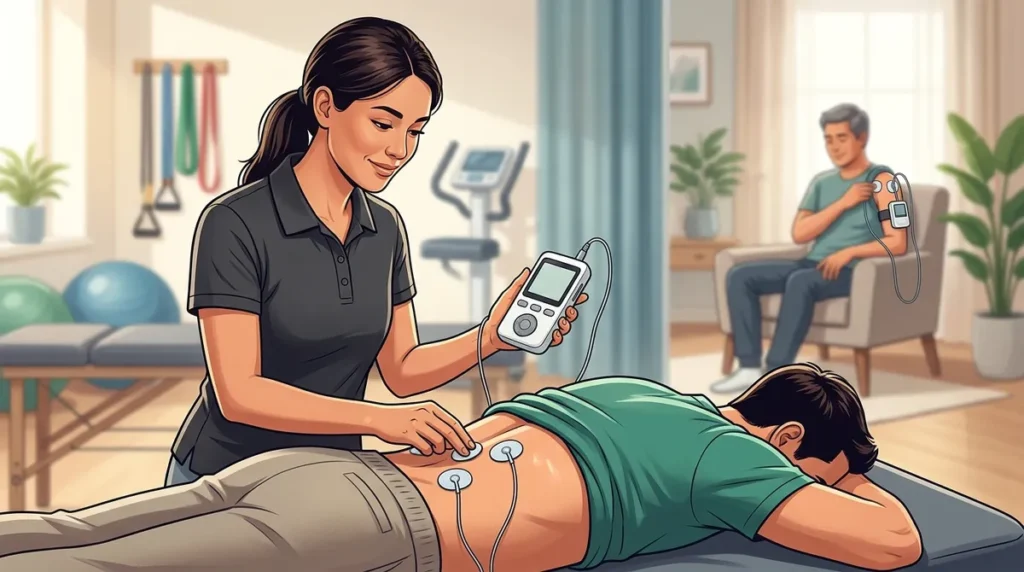
One of the most significant clinical advantages of portable TENS units is their suitability for home use. San Diego physical therapists frequently recommend home TENS protocols to extend pain management between in-clinic visits. When patients receive TENS devices through their provider, adherence to home programs tends to improve, supporting better long-term outcomes. This continuity of care model benefits patients recovering from auto accidents, workers’ compensation injuries, and chronic musculoskeletal conditions.
8. Insurance Coverage Opportunities Expand Patient Access
TENS units are recognized under Medicare HCPCS code E0730 and are covered under many commercial PPO/POS insurance plans, workers’ compensation claims, and auto accident policies. This coverage accessibility is critical for San Diego clinics serving patients with insurance through employer group plans, personal injury protection, or third-party liability cases. Clinics that partner with experienced electrotherapy suppliers can streamline the billing and dispensing process significantly.
9. Valuable for Auto Accident and Workers’ Compensation Patients
San Diego sees a consistent volume of patients recovering from auto accident injuries and occupational injuries. TENS therapy is particularly well-suited for these populations, addressing soft tissue damage, whiplash, and lumbar strain that commonly result from these incidents. Clinics specializing in auto accident injury rehabilitation benefit from having reliable TENS units that integrate smoothly into multi-disciplinary treatment plans. For additional guidance, explore how LA physical therapy clinics use TENS units in similar injury-focused contexts.
10. Conductive Garments and Accessories Enhance Treatment Outcomes
Pairing TENS therapy with specialized accessories such as conductive garments and TheraKnit garments can improve electrode contact, comfort, and treatment consistency. These garments distribute electrical current more evenly across targeted muscle groups, making them particularly useful for patients with large surface area pain presentations such as diffuse lumbar pain or bilateral shoulder discomfort.
11. Supports Cervical Pain Protocols with Complementary Equipment
Many San Diego PT clinics treat cervical spine conditions including neck pain, radiculopathy, and tension headaches. Combining TENS therapy with cervical traction and supportive back braces creates a multi-modal approach that addresses both pain relief and structural support simultaneously. This equipment synergy is a hallmark of comprehensive electrotherapy-based rehabilitation programs.
The table below summarizes common clinical pairings for San Diego PT clinics:
| Condition | Primary TENS Application | Recommended Complementary Equipment |
|---|---|---|
| Chronic Low Back Pain | Lumbar electrode placement | Back brace, conductive garment |
| Cervical Radiculopathy | Cervical/upper trapezius placement | Cervical traction unit, TheraKnit garment |
| Post-Surgical Knee Pain | Periarticular electrode placement | Knee conductive garment |
| Shoulder Tendinopathy | Rotator cuff and deltoid placement | Conductive garment, back brace for posture |
| Whiplash / Auto Injury | Cervical and thoracic placement | Cervical traction unit, back brace |
12. Partnering with a Specialized Electrotherapy Supplier Maximizes Clinical Value
Selecting the right electrotherapy supplier is as important as choosing the right device. Liberty Medical Solutions is a Tampa-based provider specializing in customized electrotherapy solutions for physical therapy clinics, chiropractic practices, and auto accident injury clinics. Their product range includes TENS units, cervical traction units, back braces, conductive garments, and TheraKnit garments — all supported by expertise in insurance billing for commercial PPO/POS plans, workers’ compensation, and auto accident claims. Clinics in San Diego that partner with Liberty Medical Solutions benefit from streamlined product access and professional support tailored to their patient population.
Key Considerations When Selecting TENS Units for Your San Diego Clinic
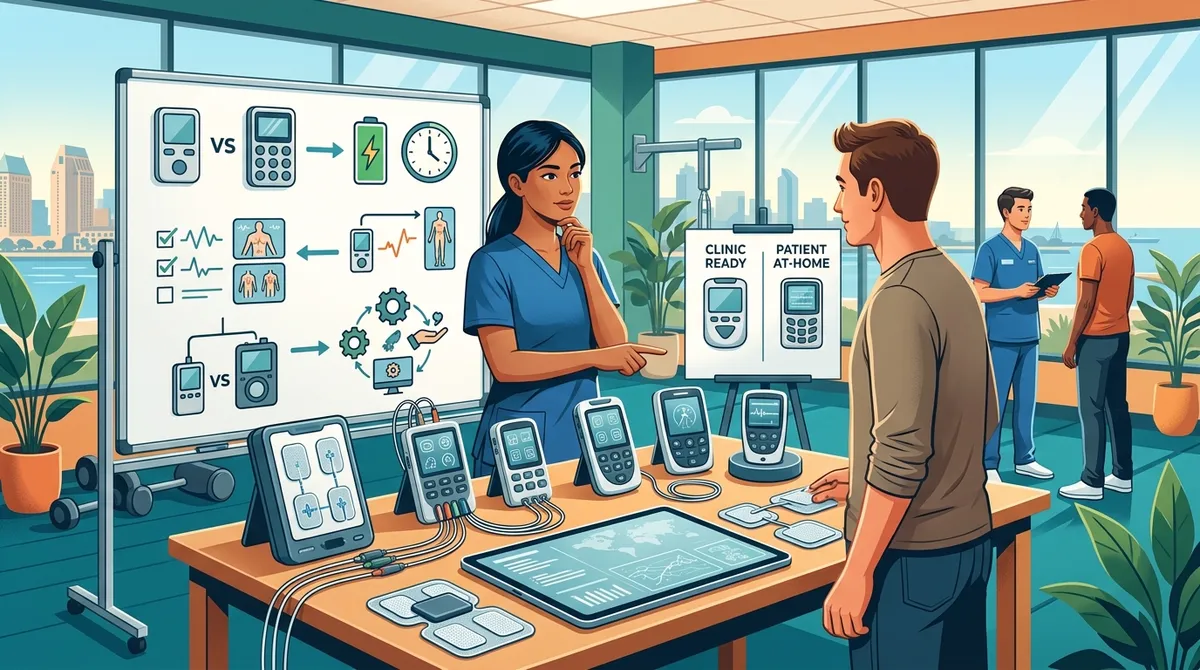
Not all TENS devices are equally suited for clinical environments. Physical therapy providers should evaluate units based on the following criteria before making procurement decisions:
- Parameter range and programmability: Ensure the device supports both high and low frequency settings with adjustable pulse width and intensity controls.
- Dual-channel capability: Dual-channel units allow simultaneous treatment of multiple pain areas, increasing clinical efficiency.
- Portability for home-use dispensing: Lightweight, rechargeable units facilitate compliant home use programs for outpatient patients.
- Electrode compatibility: Verify compatibility with a range of electrode sizes and conductive garment accessories for flexible application.
- Insurance billing support: Choose suppliers who understand HCPCS coding and can support the billing process for insured patients.
How TENS Differs from Other Electrical Stimulation Modalities
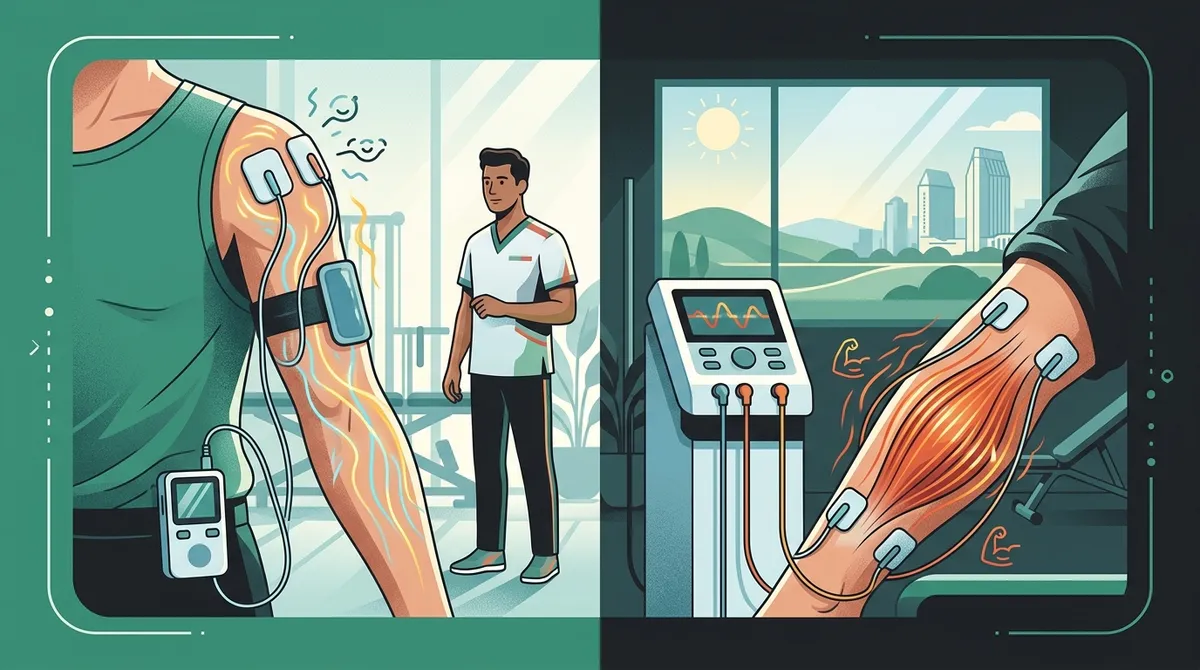
Clinicians sometimes use the terms TENS and electrical stimulation interchangeably, but meaningful distinctions exist between these modalities. The table below clarifies key differences:
| Modality | Primary Goal | Mechanism | Typical Use Case |
|---|---|---|---|
| TENS | Pain relief | Sensory nerve stimulation | Chronic and acute pain management |
| NMES (Neuromuscular ES) | Muscle re-education | Motor nerve stimulation | Post-surgical muscle activation |
| IFC (Interferential Current) | Deep tissue pain relief | Carrier frequency modulation | Deep joint and spinal pain |
| Russian Stimulation | Muscle strengthening | Medium frequency AC current | Post-surgical quadriceps activation |
Understanding these distinctions enables San Diego physical therapists to prescribe the most appropriate electrotherapy modality for each clinical scenario, as supported by research available through the National Institutes of Health clinical research database.
Building a TENS-Integrated Rehabilitation Protocol
For San Diego PT clinics looking to formalize their TENS therapy offerings, the following framework provides a structured starting point:
- Initial assessment: Conduct a thorough pain assessment including location, intensity, duration, and contributing factors to determine TENS candidacy.
- Parameter selection: Select frequency and pulse width based on pain type — high frequency for acute pain gating, low frequency for chronic pain via endorphin release.
- Electrode placement: Position electrodes according to anatomical landmarks and clinical guidelines, using conductive garments when appropriate for improved coverage.
- Session supervision: Monitor the initial session carefully, adjusting intensity to achieve a strong, comfortable stimulation without causing muscle contraction (unless NMES is the goal).
- Home program development: Prescribe a portable TENS unit for home use when clinically appropriate, providing written instructions for safe application and device care.
- Progress reassessment: Evaluate pain levels and functional outcomes at each subsequent visit, modifying parameters or electrode placement as the patient progresses through rehabilitation.
For additional clinical perspectives on integrating TENS into physical therapy practices, explore our resources on how to choose TENS units for physical therapy clinics and why Buffalo physical therapy clinics rely on TENS units.
Why San Diego Physical Therapy Clinics Trust TENS Therapy in 2026
San Diego’s physical therapy landscape is competitive and clinically sophisticated. Providers who integrate evidence-based electrotherapy modalities like TENS into their service offerings distinguish themselves through superior patient outcomes and expanded treatment capabilities. Research consistently supports TENS as an effective adjunct for musculoskeletal pain management, and the National Institutes of Health has documented the high prevalence of persistent chronic pain among U.S. adults — underscoring the urgent clinical need for accessible, non-pharmacological treatment options. San Diego clinics that prioritize TENS therapy are well-positioned to meet this demand effectively. For further insights into how TENS units serve California-based clinics, explore our guide on TENS unit features San Diego chiropractors need in 2026 and why LA chiropractors rely on TENS units for pain relief.
Conclusion
TENS units represent one of the most valuable and versatile tools available to physical therapy clinics in San Diego. From drug-free pain management and insurance-supported dispensing to seamless home-use programs and complementary equipment pairings, the case for integrating TENS therapy into every San Diego PT clinic’s treatment menu is clear and compelling. As electrotherapy technology continues to evolve and clinical evidence deepens, clinics that invest in quality TENS devices and knowledgeable supplier partnerships will consistently deliver superior patient care. Explore the full range of electrotherapy products designed for physical therapy clinics and take the next step toward enhancing your clinical capabilities by reaching out to our team at Liberty Medical Solutions for personalized guidance.
FAQs
Q: What is a TENS unit used for in physical therapy?
A: In physical therapy, TENS units are used as an adjunct modality to help reduce acute and chronic pain through low-voltage electrical stimulation of peripheral nerve fibers. They are commonly applied for musculoskeletal conditions, postoperative recovery, arthritis, and soft tissue injuries, and are most effective when integrated into a comprehensive rehabilitation program alongside exercise and manual therapy.
Q: Do physical therapy clinics in San Diego offer TENS therapy?
A: Yes, multiple physical therapy practices across San Diego list TENS and electrical stimulation among their available treatment modalities. TENS therapy is widely adopted in outpatient PT settings throughout the region due to its versatility, safety profile, and effectiveness as a non-invasive pain management tool.
Q: Does insurance cover TENS units for physical therapy patients?
A: TENS units are recognized under Medicare HCPCS code E0730 and may be covered under commercial PPO/POS plans, workers’ compensation claims, and auto accident insurance policies. Patients and clinics should verify specific coverage details with their insurance provider, as plan terms and eligibility criteria vary.
Q: How long does a TENS treatment session typically last in a physical therapy clinic?
A: In-clinic TENS sessions typically last between 10 and 30 minutes, depending on the patient’s pain severity, the condition being treated, and the overall treatment protocol. Clinicians may adjust session duration as the patient progresses through their rehabilitation plan to optimize therapeutic outcomes.
Q: Is a TENS unit safe for home use after physical therapy?
A: Portable TENS units are generally considered safe for home use when prescribed or recommended by a licensed clinician who has provided proper instruction on electrode placement, intensity settings, and contraindications. Home TENS programs are frequently recommended by San Diego physical therapists to extend pain management support between clinic visits and improve patient adherence to their recovery plan.