Key Takeaways
-
TENS units should be used as an adjunct modality in pain management workflows, not standalone treatment—using them to reduce acute pain before therapeutic exercise enables better patient compliance and functional outcomes.
-
Clinical-grade TENS units require adjustable frequency (1-150 Hz), multiple channels, programmable timers, and FDA clearance; consumer devices lack the precision and durability needed for professional physical therapy environments.
-
TENS is contraindicated for patients with pacemakers, during pregnancy, with impaired sensation, or over broken skin; thorough intake screening and medical history review are essential before initiating therapy.
-
Fresno clinics can bill TENS units as durable medical equipment through commercial PPO/POS, workers' compensation, and auto insurance with proper ICD-10 coding and medical necessity documentation.
-
Home TENS programs extend in-clinic therapeutic benefits between visits and reduce analgesic reliance; clinicians must provide written instructions and educate patients on contraindications for safe independent use.
-
TENS differs fundamentally from EMS—TENS targets sensory nerves for pain relief while EMS targets motor nerves for muscle strengthening; some advanced units offer both modes for treatment versatility.
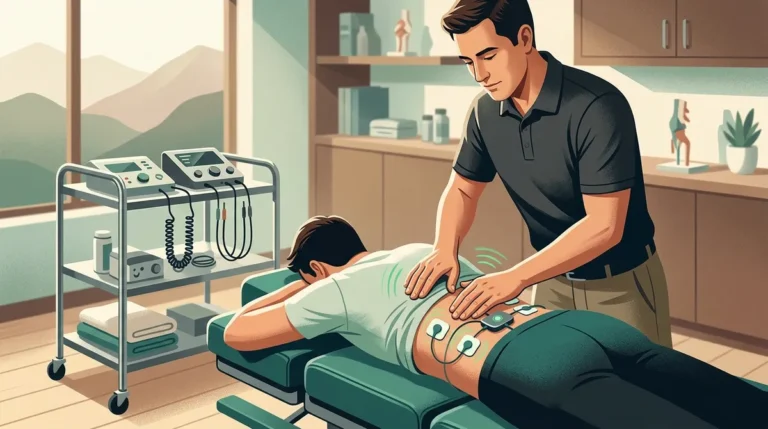
Physical therapy clinics in Fresno are increasingly recognizing the value of integrating TENS units into their treatment protocols. As the Central Valley’s population continues to grow and demand for non-opioid pain management rises, electrotherapy has become an essential clinical tool for addressing a wide range of musculoskeletal and neurological conditions. TENS—or transcutaneous electrical nerve stimulation—delivers low-voltage electrical impulses through adhesive electrodes placed on the skin, offering a noninvasive pathway to pain relief that complements hands-on therapy, corrective exercise, and patient education. For clinics seeking to expand their modality offerings, improve patient outcomes, and increase treatment compliance, understanding how to select, apply, and integrate TENS units effectively is critical. This guide is designed to help Fresno physical therapy providers make informed decisions about electrotherapy equipment and clinical protocols.
What Is a TENS Unit and How Does It Work?
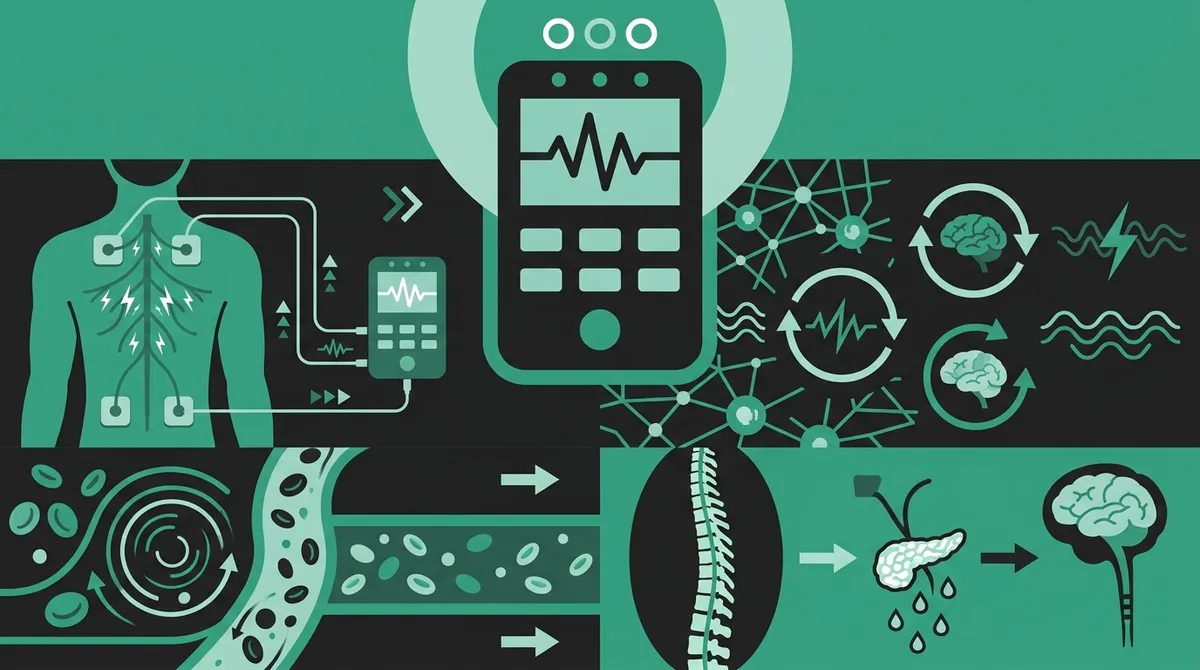
A TENS unit is a compact, battery-powered device—often described as roughly smartphone-sized—that generates low-voltage electrical currents and transmits them through the skin via adhesive electrode pads. The electrical stimulation interferes with pain signal transmission along nerve pathways, a mechanism aligned with the gate control theory of pain. This neurological interruption can reduce perceived pain intensity without the use of medication, making TENS a particularly valuable tool in clinical settings focused on rehabilitation and recovery.
According to the Cleveland Clinic, most patients begin experiencing pain relief immediately during a TENS session, though the effects typically diminish within approximately one hour after treatment ends. This characteristic makes TENS best suited as an adjunct modality rather than a stand-alone intervention. Sessions in physical therapy settings typically range from 10 to 15 minutes, though duration can be extended up to 60 minutes depending on clinical need and patient tolerance.

Clinical Applications for Fresno PT Clinics
Fresno physical therapists work with a diverse patient population that includes individuals recovering from orthopedic surgeries, managing chronic pain conditions, and rehabilitating after workplace or auto accident injuries. TENS units are well-suited for use across this broad range of presentations. Common conditions treated with TENS in clinical settings include:
- Low back pain and lumbar radiculopathy
- Neck pain and cervicogenic headaches
- Knee and hip osteoarthritis
- Peripheral neuropathy and diabetic nerve pain
- Post-surgical pain and soft tissue recovery
- Shoulder impingement and rotator cuff injuries
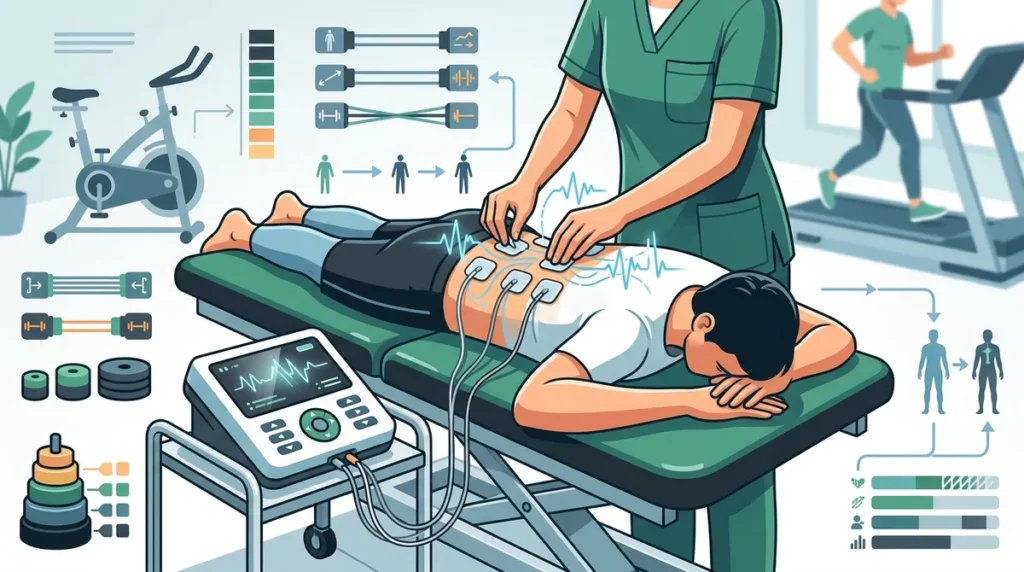
In rehabilitation workflows, TENS is most effective when used to reduce acute pain prior to therapeutic exercise, enabling patients to tolerate movement with greater comfort and compliance. This pain-preemption strategy helps clinicians achieve better functional outcomes by allowing patients to engage more fully in their prescribed exercise programs. For clinics serving auto accident or workers’ compensation patients—common in Fresno’s active employment sectors—TENS can play a pivotal role in accelerating functional recovery. You can explore more about TENS units for physical therapy clinics in San Jose and similar markets to understand broader regional trends in electrotherapy adoption.
TENS vs. EMS: Understanding the Difference
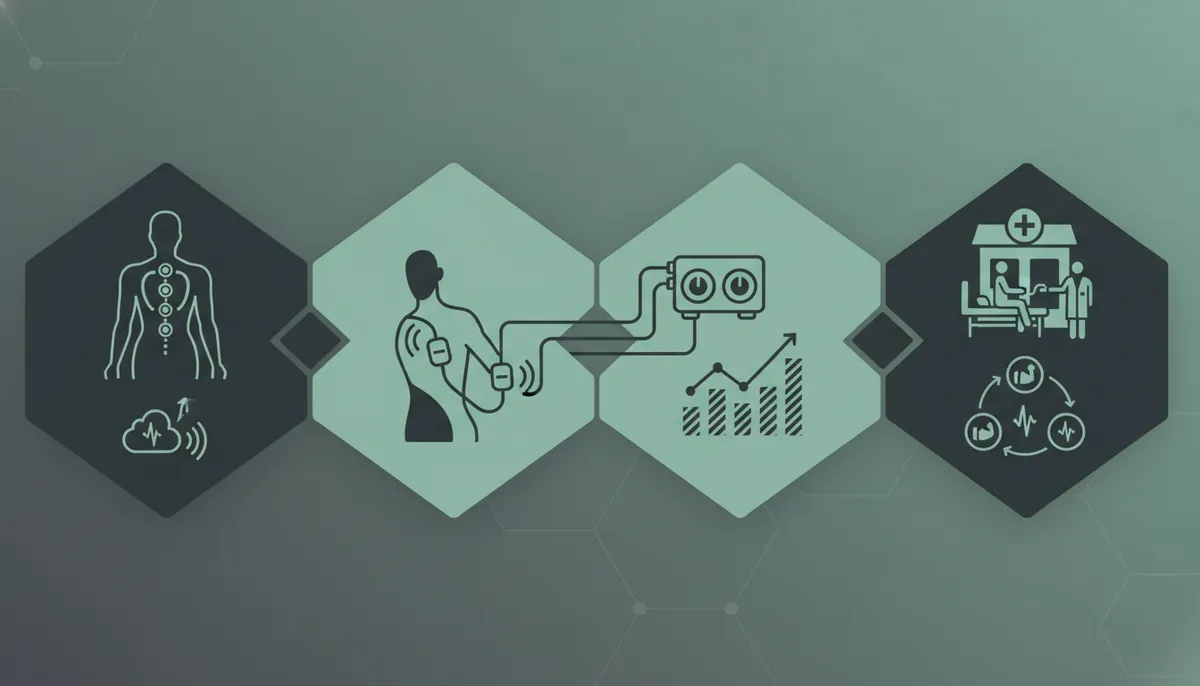
A common point of confusion among providers new to electrotherapy is distinguishing between TENS and EMS (electrical muscle stimulation). While both modalities use electrical current delivered through electrode pads, their therapeutic targets and clinical applications differ significantly. The following table provides a clear comparison:
| Feature | TENS | EMS |
|---|---|---|
| Primary Target | Sensory nerve fibers | Motor nerve fibers and muscle tissue |
| Main Clinical Goal | Pain relief and sensory modulation | Muscle strengthening and re-education |
| Visible Muscle Contraction | Typically absent | Present and intentional |
| Typical Frequency Range | 1–150 Hz | 1–120 Hz (with different waveforms) |
| Common Use Case | Chronic and acute pain management | Post-surgical muscle recovery, atrophy prevention |
Understanding this distinction is essential when selecting electrotherapy devices for your Fresno clinic. Some advanced units offer both TENS and EMS modes, providing versatility across patient presentations. Providers evaluating electrotherapy devices should consider dual-mode capabilities when budget and patient volume support the investment.
Key Features to Look for in a Clinical TENS Unit
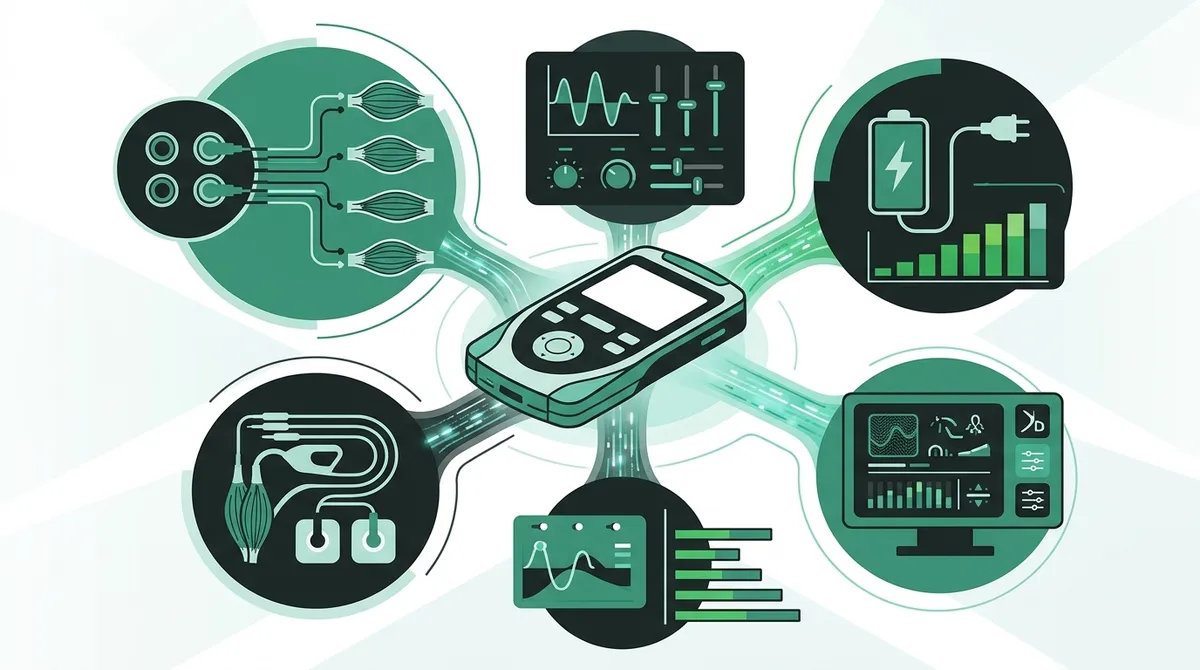
Not all TENS units are designed for clinical use. Consumer-grade devices purchased over the counter may lack the programmability, durability, and precision required in a professional physical therapy environment. When selecting TENS equipment for your Fresno practice, prioritize the following features:
- Adjustable frequency and intensity settings: Clinical patients require individualized stimulation parameters. Units with a broad frequency range (1–150 Hz) and fine intensity controls allow therapists to tailor treatment to each patient’s tolerance and condition.
- Multiple channel outputs: Dual or four-channel devices allow simultaneous electrode placement at multiple sites, increasing treatment efficiency and enabling complex pain patterns to be addressed in a single session.
- Timer and memory functions: Programmable timers ensure consistent session durations, while memory functions allow clinicians to save patient-specific settings for repeatable, standardized treatments.
- Compatibility with conductive garments: Some clinical presentations benefit from garment-based electrode delivery. Units compatible with conductive garments or TheraKnit garments offer superior electrode contact for larger treatment areas such as the lumbar spine or knee.
- Regulatory compliance and quality standards: Ensure devices meet FDA clearance requirements for clinical electrotherapy applications. The FDA has issued updated guidance supporting expanded use of non-opioid therapies, including electrotherapy, for chronic pain management.
Electrode Placement: Clinical Best Practices
Effective TENS therapy depends heavily on accurate electrode placement. Physical therapists are trained to identify optimal electrode sites based on the patient’s pain location, underlying anatomy, and treatment goals. Placement strategies generally fall into three categories: over the site of pain, along the dermatome corresponding to the affected nerve root, or near motor points for conditions involving muscle tension or guarding.
For example, a patient presenting with lumbar disc herniation and associated sciatic nerve irritation may benefit from electrode placement both in the lumbar paraspinal region and along the posterior thigh, targeting the sciatic nerve distribution. Patients with cervicogenic neck pain may respond better to placements targeting the cervical musculature and upper trapezius trigger points. Clinics offering back braces alongside TENS therapy can provide a more comprehensive approach to lumbar pain management.
TENS Unit Selection: A Clinical Comparison Framework
Fresno PT clinics sourcing TENS units for clinical use should evaluate equipment across several dimensions. The following table outlines a structured framework for assessing device suitability:
| Evaluation Criteria | Minimum Standard (Clinical Use) | Preferred Standard (High-Volume Clinics) |
|---|---|---|
| Channel Configuration | Dual-channel | Four-channel |
| Frequency Range | 1–80 Hz | 1–150 Hz with burst and modulation modes |
| Intensity Control | Coarse adjustment | Fine increment control (1 mA steps) |
| Power Source | Battery-powered | Rechargeable battery or AC adapter |
| Electrode Compatibility | Standard adhesive pads | Standard pads and conductive garments |
| Device Certification | FDA-cleared | FDA-cleared with IFU documentation |
Home Use Programs: Extending Therapy Beyond the Clinic
One significant advantage of TENS technology is its portability and ease of use, which makes it well-suited for home use programs between clinic visits. For Fresno clinics managing patients with chronic pain conditions or post-surgical recovery, prescribing or providing a home TENS unit can extend the therapeutic benefit of in-clinic treatment and reduce reliance on analgesic medications. The CDC actively encourages healthcare providers to recommend non-opioid therapies as a first-line pain management strategy, and TENS fits squarely within that framework.
When establishing a home TENS program, clinicians should provide written instructions for electrode placement, session duration, and intensity guidelines. Patient education around contraindications—such as avoiding use near pacemakers, during pregnancy, or over open wounds—is essential to ensure safe, independent use. Research published through PubMed supports the use of TENS as part of multimodal, home-based pain management strategies for patients with chronic musculoskeletal conditions.
Insurance and Billing Considerations for Fresno Clinics
Physical therapy clinics in Fresno that prescribe TENS units for patient home use should be familiar with applicable billing and insurance pathways. Many commercial PPO/POS plans, workers’ compensation carriers, and auto accident insurance policies cover durable medical equipment (DME) including TENS devices when medically necessary documentation is provided. Proper ICD-10 coding, a clear letter of medical necessity, and documentation of failed conservative treatment trials are typically required to support claims.
Working with a specialized electrotherapy supplier that understands insurance navigation can significantly streamline this process. Liberty Medical Solutions works with commercial group and individual PPO/POS plans, workers’ compensation cases, auto accident claims, and third-party liability situations, providing Fresno clinics with a reliable procurement and billing support pathway for TENS units and related equipment. To explore the full range of available electrotherapy products, visit the Liberty Medical Solutions products page.
Safety Considerations and Contraindications
While TENS is generally considered safe for most patients, Fresno clinicians must remain vigilant about contraindications and precautionary guidelines to minimize adverse events. Common safety considerations include:
- Cardiac devices: TENS is contraindicated in patients with implanted pacemakers or cardioverter-defibrillators due to potential interference with device function.
- Pregnancy: TENS should not be applied to the abdomen or lower back region during pregnancy without physician authorization.
- Impaired sensation: Patients with diabetic peripheral neuropathy or other sensory impairments may not perceive intensity accurately, increasing burn risk.
- Skin integrity issues: Electrodes should not be placed over broken skin, open wounds, rashes, or areas of active infection.
- Cognitive impairment: Patients who cannot reliably communicate discomfort require closer monitoring during TENS application.
Clinicians should conduct a thorough intake screening and review of medical history before initiating TENS therapy. When in doubt, consultation with the referring physician or specialist is recommended. The National Institutes of Health has documented high rates of persistent chronic pain among U.S. adults, underscoring the importance of safe, evidence-informed pain management protocols in clinical practice.
Integrating TENS Into Your Fresno Clinic’s Treatment Workflow
Successful integration of TENS units into a physical therapy workflow requires deliberate planning around scheduling, staff training, and documentation. The following steps outline a practical implementation approach for Fresno PT clinics:
- Assess patient candidacy: Screen patients for contraindications and identify those most likely to benefit from electrotherapy based on their diagnosis and pain presentation.
- Establish protocol parameters: Develop standardized TENS protocols for common conditions (e.g., low back pain, knee OA, post-surgical shoulder) to ensure consistent and reproducible treatment delivery.
- Train clinical staff: Ensure all treating therapists and assistants are proficient in electrode placement, device operation, and patient education for both in-clinic and home use scenarios.
- Document outcomes: Use validated pain scales (e.g., VAS or NRS) to track treatment response over time, supporting clinical decision-making and insurance documentation requirements.
- Evaluate and expand: Periodically review device performance, patient satisfaction, and clinical outcomes to determine whether additional modalities—such as cervical traction or conductive garment-based stimulation—should be incorporated.
For additional guidance tailored to physical therapy practices in related markets, the article on how to choose TENS units for physical therapy clinics in Schenectady and how to choose TENS units for chiropractic practices in Fresno provide complementary perspectives on device selection and clinical integration.
Why Partnering with a Specialized Supplier Matters
Sourcing TENS units from a supplier with expertise in clinical electrotherapy—rather than a general medical equipment vendor—ensures that Fresno PT clinics receive devices that meet the demands of a professional rehabilitation environment. Specialized suppliers offer guidance on device specifications, electrode compatibility, insurance billing support, and ongoing product training that generalist vendors typically cannot provide. Clinics managing high volumes of workers’ compensation or auto accident cases in particular will benefit from a supplier that understands the documentation and coverage requirements associated with these payer categories.
Providers seeking additional resources on how electrotherapy fits into chiropractic and physical therapy settings across California markets may also find value in reviewing content on TENS units for physical therapy clinics in Los Angeles and why San Francisco physical therapy clinics need TENS units.
Conclusion
TENS units represent one of the most versatile, evidence-supported, and cost-effective electrotherapy modalities available to physical therapy clinics in Fresno. When selected thoughtfully, applied with clinical precision, and integrated into a broader rehabilitation framework, they contribute meaningfully to improved patient outcomes, higher treatment compliance, and differentiated service offerings. Whether your clinic serves orthopedic, neurological, or injury-related patient populations, TENS technology provides a noninvasive, adaptable tool that aligns with modern, patient-centered care models.
If your Fresno physical therapy clinic is ready to upgrade its electrotherapy capabilities or establish a reliable TENS unit supply program, reach out to the team at Liberty Medical Solutions to discuss customized solutions that fit your clinical needs, patient population, and insurance billing requirements.
FAQs
Q: What is a TENS unit used for in physical therapy?
A: In physical therapy, TENS units are used as an adjunct modality to reduce acute and chronic pain, allowing patients to tolerate therapeutic exercise and movement more comfortably. They are commonly applied for conditions such as low back pain, neck pain, osteoarthritis, neuropathy, and post-surgical discomfort. TENS works by delivering low-voltage electrical impulses through adhesive electrodes that interrupt pain signal transmission along sensory nerve pathways.
Q: Do physical therapy clinics in Fresno use TENS for back pain?
A: Yes, TENS therapy is widely utilized in Fresno physical therapy clinics as part of a multimodal treatment approach for low back pain and lumbar radiculopathy. Electrode placement is typically directed at the lumbar paraspinal muscles or along the sciatic nerve distribution, depending on the patient’s specific presentation. TENS is most effective when combined with therapeutic exercise, manual therapy, and patient education rather than used in isolation.
Q: How long does TENS pain relief last after a session?
A: According to clinical sources including the Cleveland Clinic, most patients experience pain relief immediately during a TENS session, with effects typically diminishing within approximately one hour after treatment ends. The transient nature of TENS-induced relief is one reason the modality is used consistently throughout a rehabilitation program rather than as a one-time intervention. Home TENS programs can extend pain management benefits between clinical appointments.
Q: Can patients use a TENS unit at home after treatment at a Fresno clinic?
A: Yes, TENS units are frequently prescribed for home use to extend the pain management benefits of in-clinic physical therapy. Fresno physical therapists provide patients with written instructions on electrode placement, session duration, and intensity settings, along with clear guidance on contraindications. Many commercial insurance plans, workers’ compensation carriers, and auto accident policies cover home TENS units when medical necessity is appropriately documented.
Q: Is TENS therapy safe for all patients?
A: TENS therapy is generally safe for most patients when applied correctly and under clinical supervision, but it is contraindicated in certain populations. Patients with implanted cardiac devices such as pacemakers, those who are pregnant, or individuals with significantly impaired skin sensation should not use TENS without physician clearance. A thorough intake screening and medical history review are essential steps before initiating TENS therapy in any physical therapy setting.