Key Takeaways
-
Clinical-grade TENS units should feature programmable waveforms, multi-channel output, and precise timer controls to customize treatment for diverse patient conditions and ensure consistent dosing across multiple daily uses.
-
TENS is most effective when integrated as an adjunct modality within comprehensive rehabilitation plans combining manual therapy and exercise, rather than used as a standalone treatment for pain management.
-
Pueblo clinics should distinguish TENS (pain management via sensory nerve stimulation) from EMS (muscle activation via motor nerve stimulation) during procurement to ensure equipment matches clinical treatment goals.
-
Modern conductive garments and specialty electrode accessories significantly extend TENS versatility for complex pain distributions and sensitive skin, particularly benefiting post-surgical and elderly arthritic populations.
-
Structured home TENS transition protocols after clinic discharge reinforce pain management gains, reduce symptom regression, and empower patients to self-manage chronic conditions between care episodes.
-
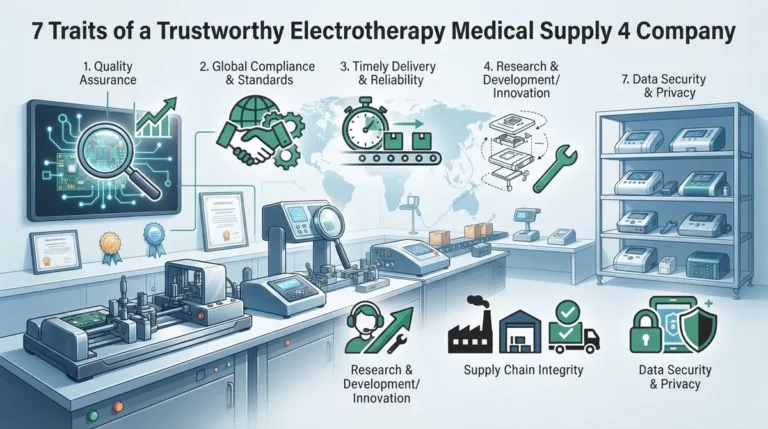
Partnering with specialized electrotherapy suppliers rather than general medical distributors provides Pueblo clinics with expert product knowledge, insurance navigation support, and consistent equipment quality for better patient outcomes.
Physical therapy clinics in Pueblo, Colorado operate in a competitive outpatient rehabilitation environment where effective pain management tools can meaningfully differentiate the quality of care offered. Transcutaneous electrical nerve stimulation (TENS) has emerged as one of the most widely adopted electrotherapy modalities in clinical rehabilitation settings, valued for its noninvasive nature and its ability to support patient participation in active therapy. For clinics managing musculoskeletal injuries, post-surgical recovery, nerve-related pain, and chronic conditions, TENS units for physical therapy clinics in Pueblo represent a practical investment in both clinical outcomes and patient satisfaction. Understanding how these devices function, which conditions they address, and how to source reliable equipment is essential for any Pueblo-area clinic seeking to deliver comprehensive, evidence-informed care.
What Is a TENS Unit and How Does It Work in Clinical Settings
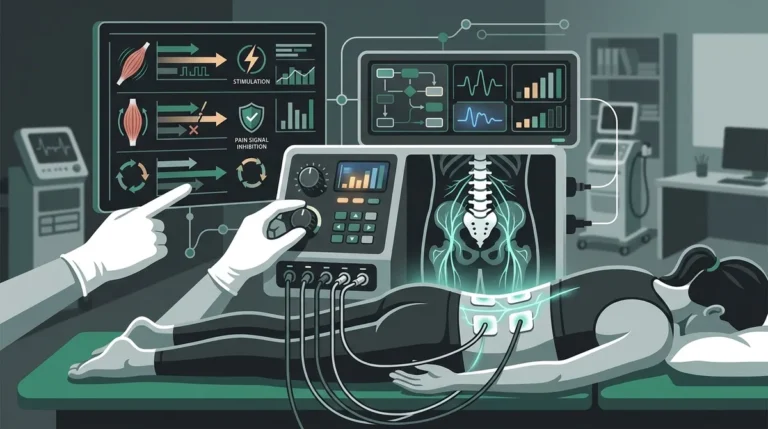
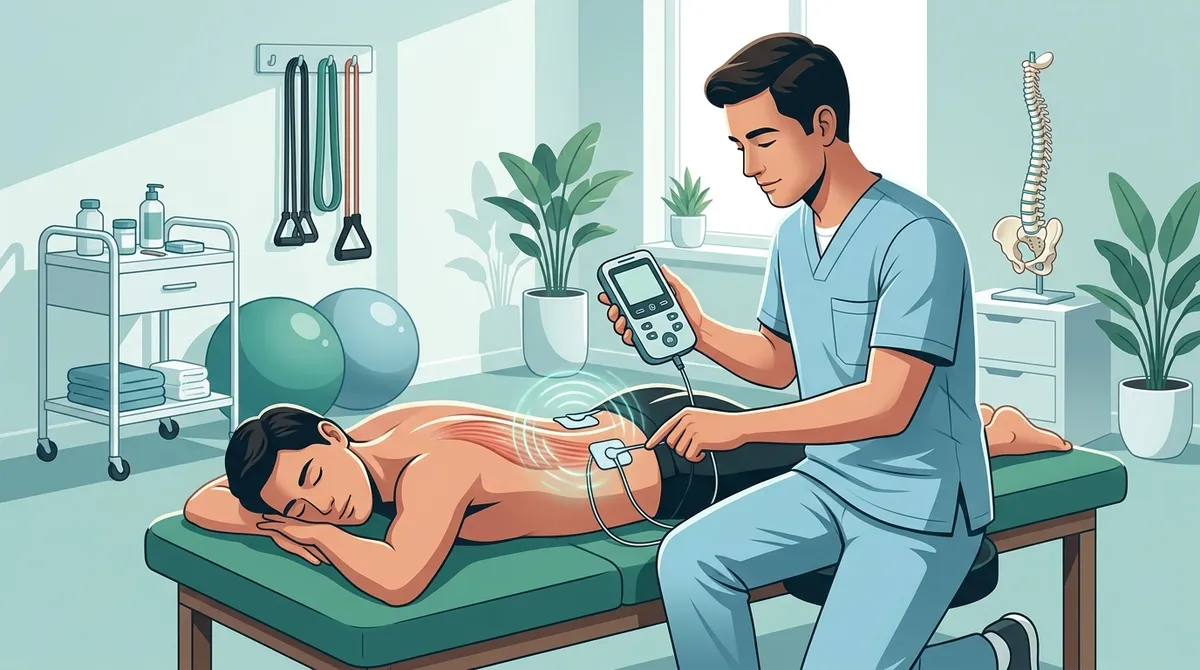
TENS stands for transcutaneous electrical nerve stimulation, a form of noninvasive electrotherapy that delivers low-voltage electrical impulses through adhesive electrodes placed on or near the painful area of a patient’s body. The electrical current travels through the skin and is thought to interrupt pain signal transmission to the brain while also stimulating the release of endorphins, the body’s natural pain-relief compounds. According to the Cleveland Clinic, TENS therapy is considered a safe, drug-free approach to managing both acute and chronic pain when used appropriately under clinical supervision.
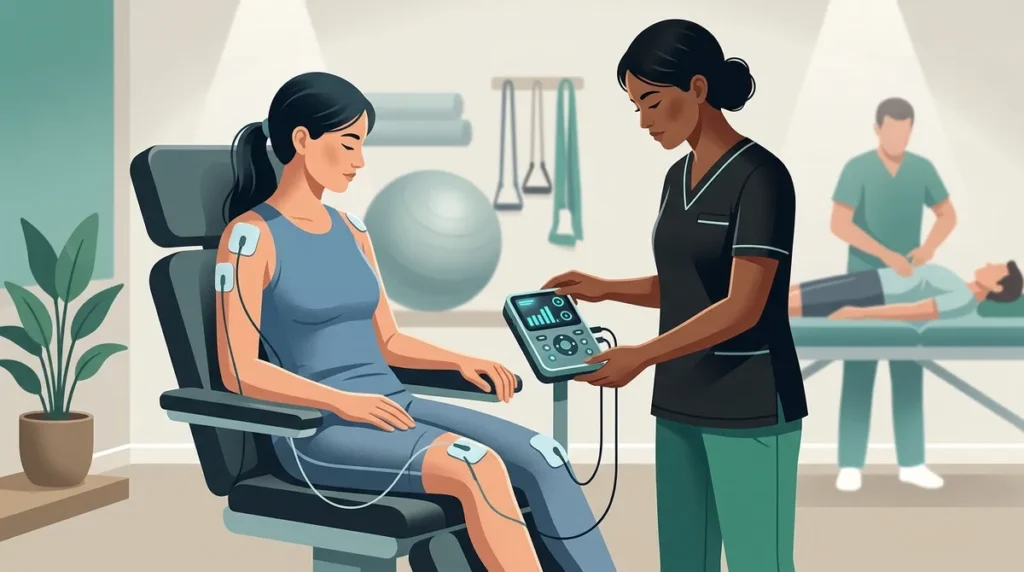
In a physical therapy clinic, TENS is rarely used in isolation. Licensed clinicians typically integrate TENS treatment alongside manual therapy, therapeutic exercise, and other rehabilitation modalities. The goal is to reduce pain sufficiently so that patients can engage more effectively in their prescribed exercise programs, accelerating functional recovery. Pueblo-area providers at locations such as PT Connections (58 Glenroyal Drive) and CommonSpirit Physical Therapy (4112 Outlook Blvd) reflect the type of outpatient settings where TENS is routinely incorporated into multi-modal care plans.
Conditions Commonly Treated with TENS in Physical Therapy
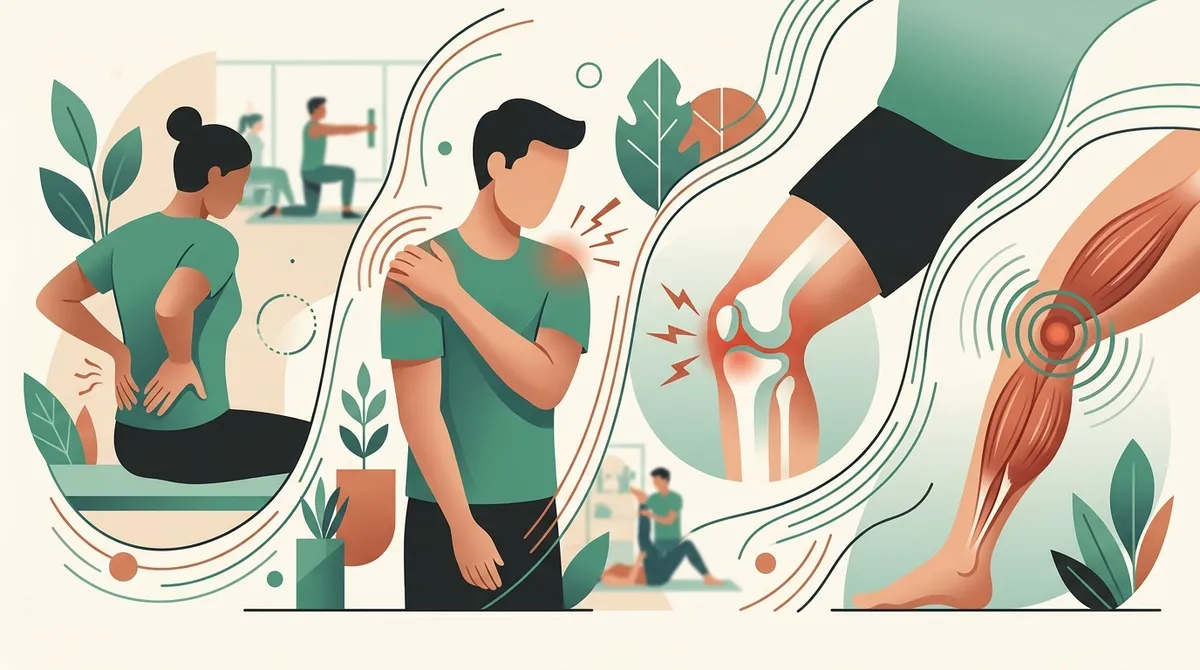
Physical therapists apply TENS therapy across a broad spectrum of conditions, particularly those involving musculoskeletal and neuropathic pain. The following are among the most frequently treated diagnoses in Pueblo PT clinics where TENS is a standard adjunct modality:
- Low back pain: One of the most common referrals to outpatient PT, back pain responds well to TENS as a pain-reduction bridge before and after exercise-based treatment.
- Neck pain and cervical strain: Often arising from postural dysfunction or auto accident injuries, cervical pain is frequently managed with a combination of TENS, cervical traction, and manual therapy.
- Osteoarthritis: Patients with knee, hip, or shoulder arthritis benefit from TENS-mediated pain relief that allows them to tolerate strength and mobility exercises.
- Post-surgical rehabilitation: Following orthopedic procedures, TENS helps manage incision-site pain and facilitates earlier mobilization.
- Peripheral neuropathy: Nerve-related pain conditions, including diabetic neuropathy and radiculopathy, can be partially addressed through targeted TENS application.
- Sports and workplace injuries: Soft tissue injuries, sprains, and repetitive strain conditions are common in Pueblo’s working population and respond positively to electrotherapy-assisted rehabilitation.
As highlighted by the CDC, nonopioid therapies including electrostimulation are increasingly recommended as first-line strategies for pain management, making TENS a clinically and ethically sound treatment option for today’s physical therapy practices.
TENS vs. EMS: Understanding the Difference for Clinic Procurement
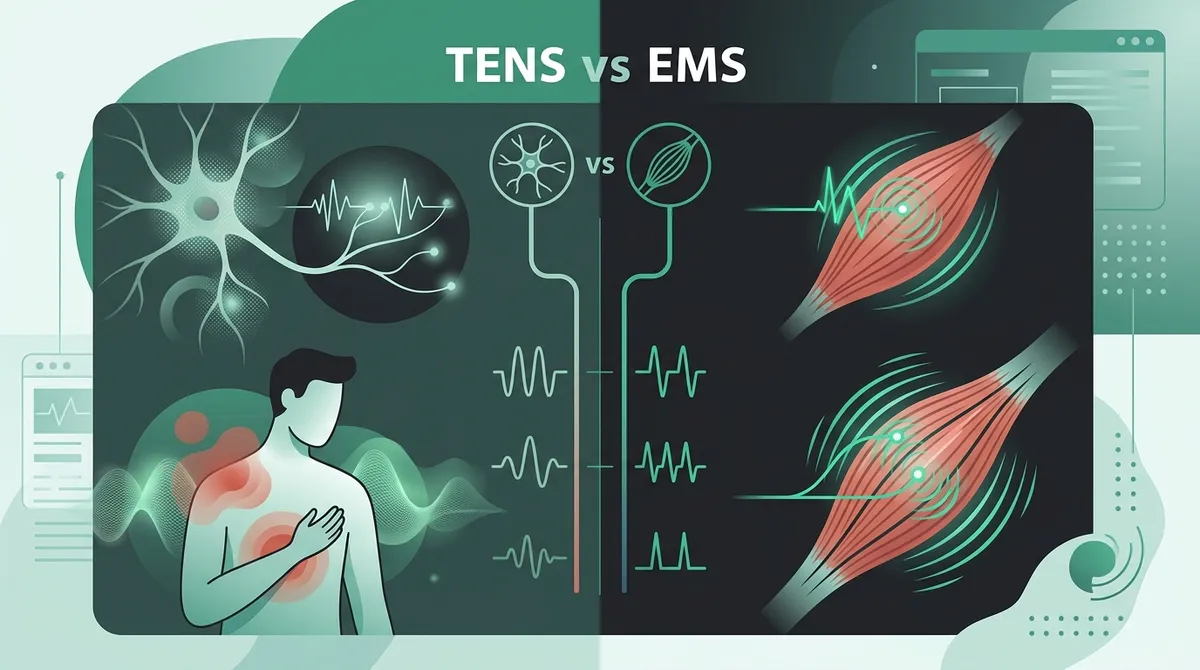
A common point of confusion among clinic administrators sourcing electrotherapy equipment is the distinction between TENS (transcutaneous electrical nerve stimulation) and EMS (electrical muscle stimulation). Both deliver electrical impulses through surface electrodes, but they serve fundamentally different purposes and should not be treated as interchangeable in a clinical procurement strategy.
| Feature | TENS | EMS |
|---|---|---|
| Primary Purpose | Pain management and nerve stimulation | Muscle activation and strengthening |
| Mechanism | Interrupts pain signal transmission | Causes involuntary muscle contractions |
| Target Tissue | Sensory nerve fibers | Motor nerve fibers and muscle tissue |
| Common Clinical Use | Chronic/acute pain relief, post-injury care | Post-surgical muscle re-education, atrophy prevention |
| Patient Sensation | Tingling, buzzing | Visible muscle twitch or contraction |
Both modalities have their place in a well-equipped physical therapy clinic. However, for clinics in Pueblo focusing on pain relief and functional rehabilitation, TENS units typically form the foundation of an electrotherapy protocol. Providers looking to expand their modality offerings can explore the full range of electrotherapy products available for clinical use.
Key Features to Evaluate When Selecting TENS Units for Your Clinic
Not all TENS devices are created equal, and the specifications that matter most in a home-use consumer device differ substantially from those required in a professional physical therapy setting. Clinic administrators in Pueblo should evaluate equipment based on the following criteria before committing to a purchase or supply relationship.
Clinical-Grade Specifications to Prioritize
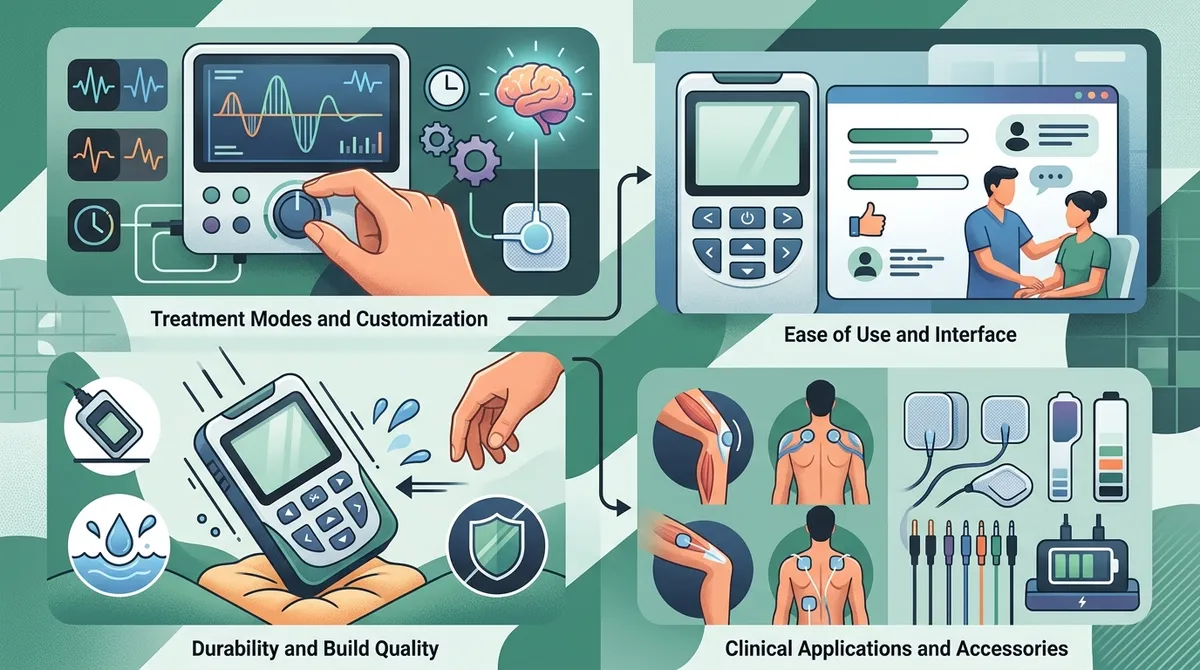
- Programmable waveforms and frequency ranges: Clinical TENS units should offer adjustable pulse width, frequency (Hz), and intensity to allow therapists to customize treatment for each patient’s condition and pain threshold.
- Multi-channel output: Devices capable of stimulating multiple electrode sites simultaneously increase treatment efficiency in busy clinic environments.
- Timer and session controls: Precise session timing ensures consistent dosing and protects against overuse, a critical feature when devices are used across multiple patients daily.
- Durability and ease of sanitation: Clinical environments require devices that withstand repeated use and can be appropriately cleaned between patients to comply with infection control protocols.
- Compatible electrode accessories: The availability of high-quality electrode pads, lead wires, and specialty accessories — including conductive garments — significantly extends the clinical versatility of any TENS system.
| Specification | Consumer-Grade TENS | Clinical-Grade TENS |
|---|---|---|
| Frequency Range | Fixed or limited settings | Wide adjustable range (1–150 Hz) |
| Channels | 1–2 channels | 2–4+ channels |
| Waveform Options | Basic | Multiple programmable waveforms |
| Durability | Light home use | Heavy daily clinical use |
| Accessories | Standard pads only | Conductive garments, specialty electrodes |
The Role of Conductive Garments and Accessories in Enhancing TENS Therapy
Modern TENS protocols in clinical settings extend well beyond traditional adhesive electrode pads. TheraKnit garments and other conductive textile accessories allow clinicians to deliver electrotherapy over larger surface areas, improving electrode contact and patient comfort — particularly for patients with sensitive skin or complex pain distributions. These garments are especially valuable in Pueblo clinics treating post-surgical patients, elderly populations with arthritic conditions, and workers recovering from occupational injuries.
Complementary products such as back braces also play a critical role in a holistic electrotherapy-assisted rehabilitation program. Combining mechanical lumbar support with electrostimulation addresses both structural instability and pain simultaneously, which is a particularly effective approach for patients with chronic low back conditions. Clinics that offer a complete suite of electrotherapy accessories demonstrate a higher level of clinical sophistication and are better positioned to achieve measurable patient outcomes.
Evidence Base and Clinical Considerations for TENS in Pueblo PT Practices
The research literature on TENS therapy is nuanced, and Pueblo clinic directors should approach procurement with an informed understanding of the evidence. A 2021 Cochrane review found that evidence for TENS in chronic pain conditions is mixed and often of low certainty, emphasizing that benefits can vary considerably by diagnosis, patient population, and treatment parameters. This finding reinforces the importance of using TENS as an adjunct modality integrated within a broader, goal-oriented rehabilitation plan rather than as a standalone intervention.
The American Physical Therapy Association (APTA) has consistently described electrotherapeutic modalities, including TENS, as adjuncts in rehabilitation that support patient engagement and comfort. Research published through PubMed and ongoing clinical literature through 2026 continue to support TENS as a widely used, short-term pain relief tool, particularly in musculoskeletal and post-injury care contexts. Additionally, the National Institutes of Health has documented high rates of persistent chronic pain among U.S. adults, underscoring the critical need for accessible, nonopioid pain management tools in outpatient clinical settings.
Insurance and Reimbursement Considerations for Electrotherapy Equipment
For physical therapy clinics in Pueblo, one of the most practical considerations when adopting TENS therapy is the insurance and reimbursement landscape. Many patients accessing PT services do so through commercial PPO/POS plans, workers’ compensation claims, or auto accident injury coverage. Understanding how TENS treatment is billed and reimbursed — and how patients can access take-home devices after clinic-supervised care — is essential for maximizing the clinical and financial value of your electrotherapy program.
| Insurance Type | Typical TENS Coverage | Notes for Providers |
|---|---|---|
| Commercial PPO/POS | In-clinic modality billing; take-home device coverage varies | Out-of-network benefits may apply; verify per plan |
| Workers’ Compensation | Generally supportive of electrotherapy for work injuries | Documentation of functional improvement required |
| Auto Accident (PIP/Liability) | Often covers electrotherapy for whiplash and soft tissue injury | Works with third-party liability structures |
Liberty Medical Solutions works directly with commercial PPO/POS plans, workers’ compensation, auto accident claims, and third-party liability cases to ensure that patients and the clinics serving them can access high-quality electrotherapy equipment without unnecessary financial barriers. This comprehensive insurance support model simplifies the procurement and patient care process for busy Pueblo-area clinics. For clinics interested in similar guidance on device selection for other regional markets, resources such as 4 TENS Units Physical Therapy Clinics in Rochester Need and Why Do Buffalo Physical Therapy Clinics Need TENS Units? offer additional clinical and procurement perspectives.
Transitioning Patients from In-Clinic TENS to At-Home Devices
One of the most significant clinical benefits a Pueblo PT clinic can offer is a structured transition protocol that supports patients in continuing electrotherapy at home after their formal rehabilitation program concludes. A well-designed home TENS program reinforces the pain management gains achieved in the clinic, reduces the likelihood of symptom regression, and empowers patients to self-manage chronic conditions between episodes of care.
Clinicians should provide patients with clear instruction on electrode placement, session duration, and appropriate intensity settings before discharging them to home use. Partnering with a reliable electrotherapy equipment provider ensures patients receive devices that are consistent with the quality standard established during their in-clinic treatment. Physical therapy teams considering how to build or expand their at-home device programs can also benefit from reviewing how other PT-focused markets approach this transition, such as the framework outlined in 14 Reasons TENS Units Transform Physical Therapy Clinics in Utica and insights from Why Do Albany Physical Therapy Clinics Need TENS Units?.
Why Partnering with a Specialized Electrotherapy Supplier Matters
The quality and consistency of the TENS devices a physical therapy clinic uses directly affects clinical outcomes, patient satisfaction, and staff efficiency. Sourcing equipment from a supplier with deep expertise in electrotherapy — rather than a general medical distributor — provides Pueblo clinics with access to specialized product knowledge, device customization options, and reliable ongoing support. Physical therapy providers can also benefit from exploring related TENS unit devices designed specifically for clinical environments, ensuring the equipment meets the rigorous demands of daily professional use.
Clinics in Colorado and beyond have found value in working with suppliers who understand the nuances of electrotherapy protocols, can advise on electrode accessories and conductive garments, and maintain strong relationships with insurance payers. This type of partnership reduces administrative burden and allows clinical staff to focus on what matters most: delivering effective, patient-centered care. Providers in similar regional markets — from chiropractors in Pueblo to PT clinics in growing Colorado communities — increasingly recognize the value of specialized electrotherapy supply partnerships.
Conclusion: Building a Stronger Electrotherapy Program in Pueblo
TENS units for physical therapy clinics in Pueblo represent far more than a single treatment modality — they are a core component of a modern, comprehensive rehabilitation program designed to reduce pain, improve function, and support lasting recovery. As Pueblo’s outpatient rehab market continues to grow, clinics that invest in clinical-grade electrotherapy equipment, train their staff in evidence-based application protocols, and partner with knowledgeable suppliers will be better positioned to achieve superior patient outcomes and sustain long-term practice growth.
Whether you are establishing a new electrotherapy program or looking to upgrade your existing equipment and supply chain, working with an experienced provider makes all the difference. Reach out to our team at Liberty Medical Solutions to explore customized electrotherapy solutions designed for the specific needs of physical therapy clinics in Pueblo and throughout Colorado.
FAQs
Q: What is a TENS unit used for in physical therapy clinics in Pueblo?
A: TENS units are used in Pueblo physical therapy clinics as an adjunct pain management modality, helping reduce musculoskeletal and nerve-related pain so patients can more effectively participate in therapeutic exercise and rehabilitation. They are commonly applied for low back pain, neck pain, osteoarthritis, post-surgical recovery, and soft tissue injuries.
Q: How is TENS therapy different from EMS in a rehabilitation setting?
A: TENS (transcutaneous electrical nerve stimulation) targets sensory nerve fibers to interrupt pain signals and is primarily used for pain relief, while EMS (electrical muscle stimulation) activates motor nerve fibers to produce muscle contractions and is used for muscle re-education and strengthening. Both have distinct clinical applications and are typically not interchangeable in a rehabilitation protocol.
Q: Is TENS therapy effective for chronic pain patients seen in Pueblo PT clinics?
A: Evidence supports TENS as a useful short-term pain relief tool, particularly for musculoskeletal conditions, though a 2021 Cochrane review noted that evidence quality can vary by condition. Pueblo physical therapists typically use TENS as one component of a broader, multimodal treatment plan rather than as a standalone intervention, which tends to produce the most clinically meaningful outcomes.
Q: Can patients continue using a TENS unit at home after completing physical therapy?
A: Yes, many physical therapy clinics in Pueblo transition patients to at-home TENS programs after their formal rehabilitation is complete, particularly for chronic pain conditions. Patients should receive clear guidance on electrode placement, session duration, and appropriate intensity settings before beginning independent home use.
Q: Does insurance cover TENS units for physical therapy patients in Pueblo?
A: Coverage for TENS therapy and devices depends on the patient’s specific insurance plan, but commercial PPO/POS plans, workers’ compensation, and auto accident injury claims frequently provide benefits for electrotherapy treatment and take-home devices. Working with a knowledgeable electrotherapy supplier experienced in insurance billing can help streamline the process for both clinics and patients.