Key Takeaways
-
Denver PT clinics should prioritize 4+ channel professional-grade TENS units with adjustable pulse frequency and multiple stimulation modes to manage diverse patient populations efficiently and treat acute injuries, chronic pain, neuropathy, and post-surgical cases.
-
TENS therapy integrated into comprehensive treatment plans (including manual therapy and exercise) is most effective for non-opioid pain management in workers' compensation and auto accident injuries—a growing clinical demand across Denver.
-
Clinicians must conduct thorough contraindication screening before TENS application, particularly for patients with pacemakers, early pregnancy, broken skin, or spinal cord placement risks to ensure safety and maintain professional standards.
-
Denver clinics can enhance patient access and revenue by partnering with suppliers offering insurance documentation support, enabling seamless billing for both in-clinic TENS use and home-use device prescriptions across PPO/POS and workers' compensation plans.
-
Low-frequency TENS (1-10 Hz) targets chronic pain through endorphin release with longer sessions, while high-frequency TENS (80-150 Hz) rapidly addresses acute post-injury inflammation—parameter selection directly impacts clinical outcomes.
-
Professional TENS devices with conductive garment compatibility and durable clinical-grade build withstand high-frequency multi-patient use better than consumer devices and support extended treatment coverage for improved patient comfort and electrode contact.
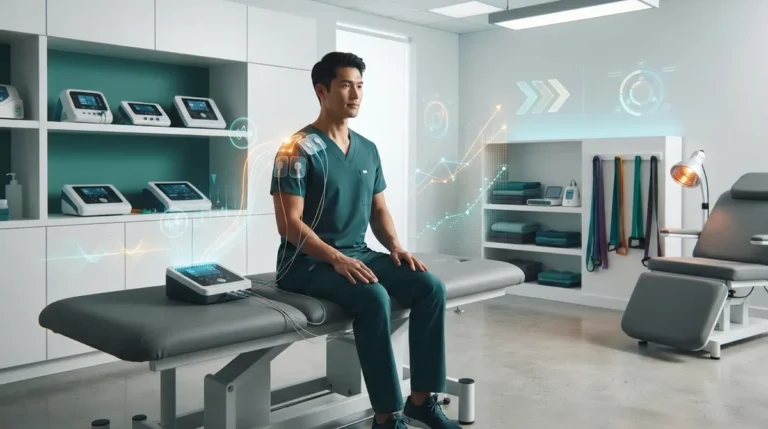
Denver’s physical therapy landscape is growing rapidly, and clinics across the metro area are under increasing pressure to deliver effective, evidence-supported treatments for patients managing acute and chronic pain. One modality that continues to earn its place in outpatient rehabilitation settings is Transcutaneous Electrical Nerve Stimulation — more commonly known as TENS therapy. As demand for non-opioid pain management rises, TENS devices have become an essential component of clinical practice, helping Denver physical therapy providers deliver measurable results across a wide range of musculoskeletal and neurological conditions.
According to the National Institutes of Health, chronic pain affects a significant portion of the U.S. adult population, with approximately 24.3% of adults reporting persistent pain as of 2023. For Denver clinics treating post-injury patients, workers’ compensation cases, and auto accident survivors, integrating TENS therapy into treatment protocols represents both a clinical and strategic advantage. This article examines how TENS units function, why Denver PT clinics rely on them, and what to consider when sourcing professional-grade electrotherapy equipment.

What Is TENS Therapy and How Does It Work?
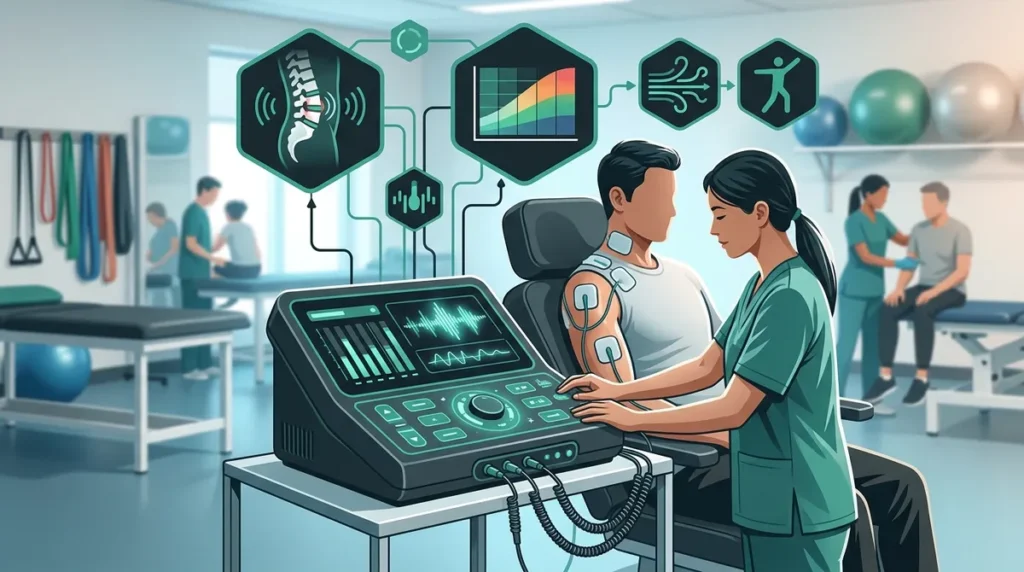
TENS stands for Transcutaneous Electrical Nerve Stimulation — a modality that delivers low-level electrical impulses through electrode pads placed on the skin. These impulses travel along peripheral nerve pathways and are thought to interrupt or modulate pain signals before they reach the brain, primarily through the gate control mechanism. The result is a reduction in perceived pain intensity without the use of pharmacological agents.
In physical therapy clinical settings, TENS is administered using professional-grade multi-channel devices capable of adjusting pulse frequency, pulse width, and stimulation intensity. According to Cleveland Clinic, TENS is generally considered safe for most patients when applied correctly, though it carries specific contraindications that clinicians must observe prior to treatment.
Clinical Applications of TENS Units in Denver PT Clinics
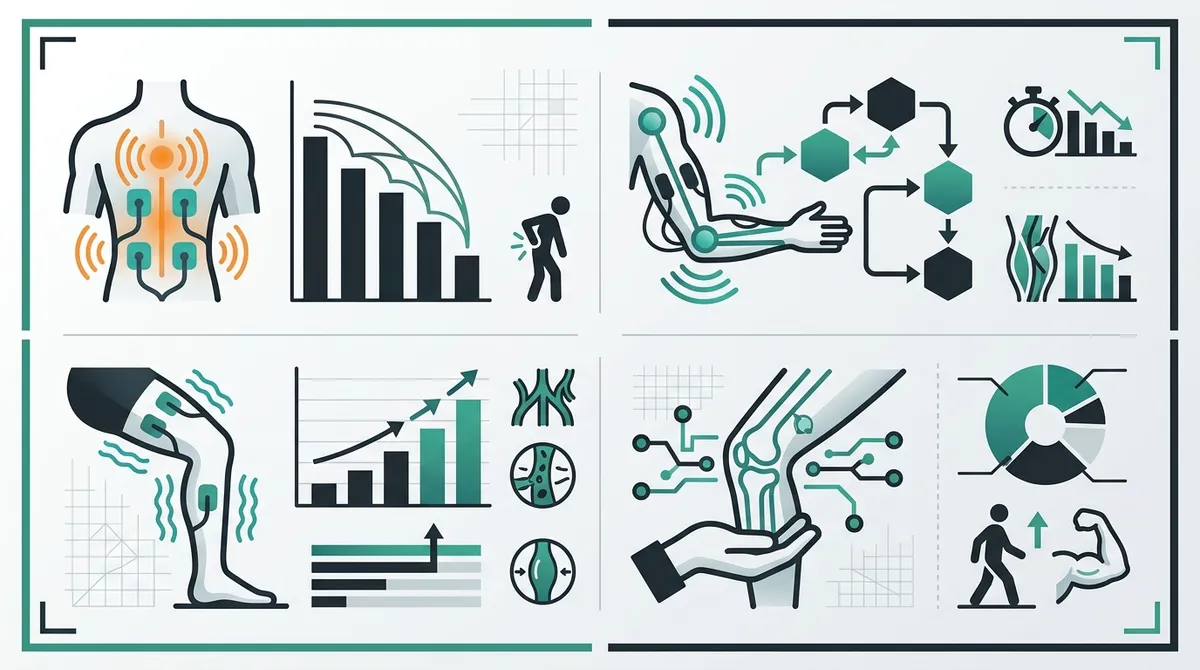
Denver physical therapy providers use TENS units across a broad spectrum of patient presentations. Rather than functioning as a standalone solution, TENS therapy is most effective when integrated into a comprehensive rehabilitation plan that may include manual therapy, therapeutic exercise, and other modalities. Below are the primary clinical applications for TENS units in an outpatient setting.
- Acute and chronic musculoskeletal pain: Including low back pain, neck pain, shoulder injuries, and joint-related discomfort.
- Nerve-related pain: Radiculopathy, sciatica, and peripheral neuropathy often respond well to targeted TENS application.
- Post-surgical rehabilitation: TENS can help manage post-operative pain, allowing patients to engage more fully in functional exercise programs.
- Muscle spasm reduction: Certain TENS parameters can reduce involuntary muscle guarding and facilitate movement re-education.
- Swelling and inflammation management: High-frequency stimulation modes have demonstrated utility in reducing localized edema in acute injury stages.
- Auto accident and workers’ compensation injuries: Whiplash, soft tissue trauma, and contusion-related pain are common presentations in Denver clinics treating injury claims.
For clinics managing a diverse patient caseload — from sports injuries to occupational trauma — TENS units provide a flexible, adjustable tool that can be customized to individual patient needs. To explore how other Colorado clinics are integrating electrotherapy, visit our guide on TENS units for physical therapy clinics in Pueblo and TENS units for physical therapy clinics in Greeley.
TENS vs. NMES: Understanding the Difference
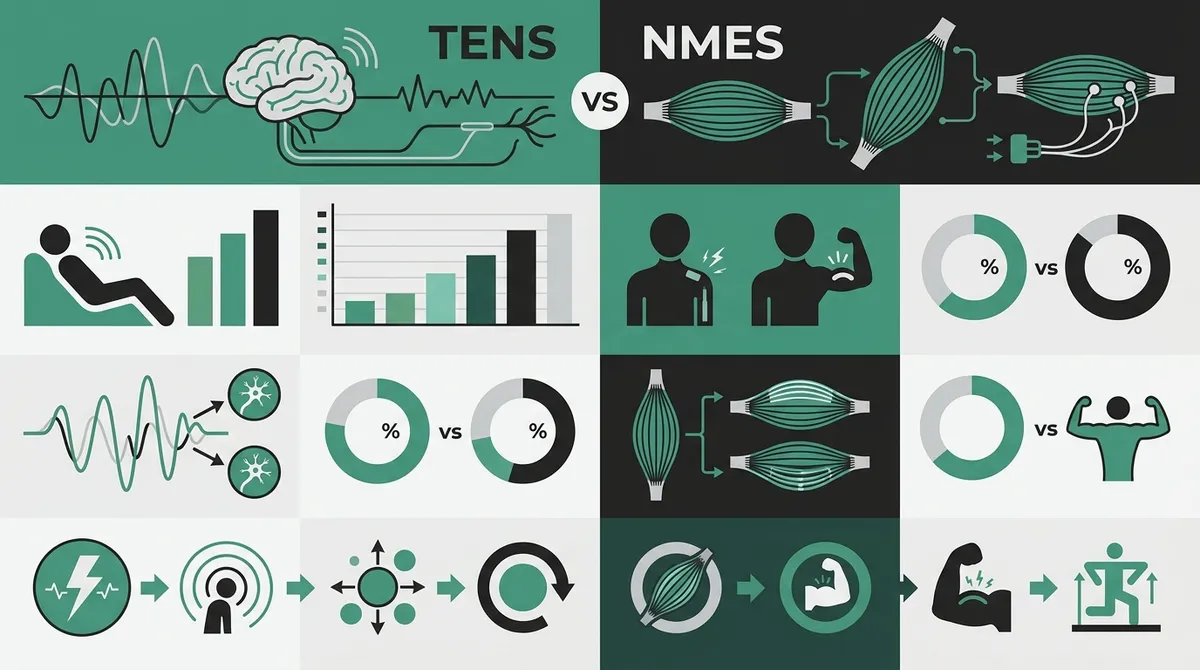
A common source of confusion for both patients and referring providers is the distinction between TENS and NMES (Neuromuscular Electrical Stimulation). While both modalities use electrical current delivered through skin-surface electrodes, their clinical objectives differ significantly. Physical therapists in Denver must understand this distinction when selecting the appropriate electrotherapy device for a given patient.
| Feature | TENS | NMES / EMS |
|---|---|---|
| Primary Goal | Pain modulation and relief | Muscle contraction and strengthening |
| Mechanism | Interrupts pain signal transmission | Stimulates motor nerve for muscle activation |
| Sensation | Tingling, buzzing (sensory level) | Visible muscle contraction |
| Best For | Acute/chronic pain, neuropathy, spasm | Muscle atrophy prevention, post-surgical rehab |
| Intensity Level | Sensory threshold (no contraction) | Motor threshold (produces movement) |
Many professional-grade units available through Liberty Medical Solutions offer both TENS and NMES modes in a single device, allowing clinicians to adapt treatment parameters without the need for multiple pieces of equipment. This flexibility is particularly valuable in busy outpatient clinics managing high patient volumes.
Key TENS Device Features for Clinical Use
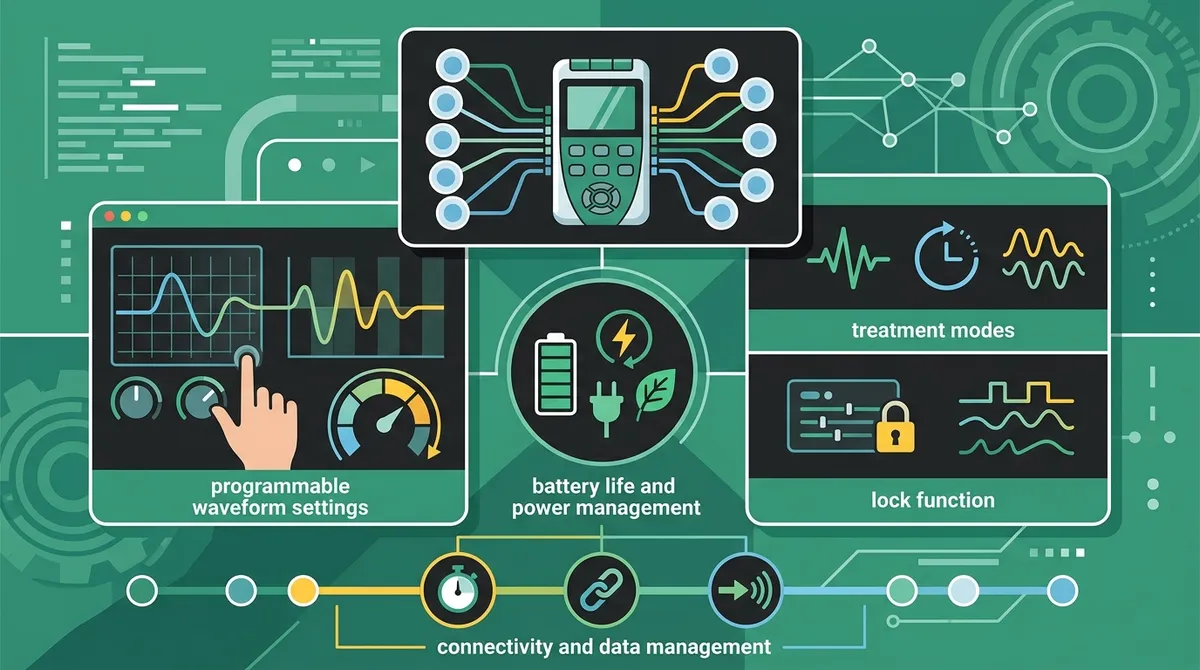
Not all TENS devices are created equal. Units designed for home consumer use differ substantially from the professional-grade equipment required in a physical therapy clinic setting. When evaluating devices for clinical purchase or prescription, Denver PT providers should prioritize the following specifications.
| Device Feature | Why It Matters for Clinics |
|---|---|
| Multi-channel output (4+ channels) | Allows treatment of multiple regions simultaneously or bilateral application |
| Adjustable pulse frequency (Hz) | Enables clinicians to tailor stimulation to acute vs. chronic pain presentations |
| Multiple stimulation modes (7+) | Supports diverse treatment protocols across patient populations |
| Programmable session timers | Ensures consistent treatment duration and reduces over-stimulation risk |
| Compatibility with conductive garments | Enables use with specialized electrode delivery systems for broader coverage |
| Durable clinical-grade build | Withstands high-frequency use across multiple patients per day |
Denver clinics sourcing equipment should also evaluate compatibility with conductive garments and TheraKnit garments, which can significantly improve electrode contact and patient comfort during extended TENS sessions.
Contraindications and Safety Considerations
While TENS therapy is broadly safe, clinical protocols must include a thorough contraindication screening process. The CDC actively promotes non-opioid pain management strategies — including electrotherapy — as part of responsible clinical practice. However, safety parameters must be respected to protect patients and maintain professional standards.
The following conditions represent standard contraindications that Denver physical therapists must screen for prior to initiating TENS treatment:
- Cardiac pacemakers or implanted electronic devices: Electrical stimulation can interfere with device function and must be avoided entirely.
- Early pregnancy: TENS is typically contraindicated during the first trimester due to insufficient safety data.
- Application over the eyes or anterior neck: Risk of pressure and cardiac rhythm interference, respectively.
- Placement over broken, damaged, or infected skin: Electrode application requires intact integument to prevent further tissue damage.
- Over known malignant tumors: Electrical stimulation should not be applied in areas of active malignancy.
- Directly over the spinal cord: Transcutaneous spinal stimulation carries risks distinct from peripheral TENS application.
Clinicians should document contraindication screening as part of every TENS treatment plan and revisit patient status regularly, particularly for those managing complex comorbidities in workers’ compensation or auto injury cases.
TENS Therapy Parameters: Optimizing Treatment Outcomes
The effectiveness of TENS in a clinical setting is directly tied to the accuracy of parameter selection. Evidence reviewed in clinical literature indicates that outcomes are highly variable and depend on pad placement, pulse frequency, pulse width, and session length. Denver PT providers who invest in parameter training and protocol development consistently report better patient outcomes and higher treatment satisfaction scores.
| Parameter | Low-Frequency TENS | High-Frequency TENS |
|---|---|---|
| Frequency Range | 1–10 Hz | 80–150 Hz |
| Mechanism | Endorphin release (opioid pathway) | Gate control theory (sensory inhibition) |
| Onset of Relief | Slower onset, longer lasting | Rapid onset, shorter duration |
| Best Application | Chronic pain, neuropathy | Acute pain, post-injury inflammation |
| Typical Session Length | 20–45 minutes | 15–30 minutes |
For clinics exploring how to structure TENS protocols across different patient populations, our resource on choosing TENS units for physical therapy clinics in Aurora provides practical guidance applicable to Denver-area providers. Similarly, Westminster’s PT clinic guide outlines selection criteria relevant to high-volume outpatient settings.
Insurance Coverage and Billing Considerations for Denver Clinics
A key operational consideration for Denver physical therapy clinics is insurance reimbursement for TENS therapy and associated equipment. Many patients presenting with workers’ compensation claims, auto accident injuries, or PPO/POS plan coverage may qualify for TENS unit provision as part of their care plan. Clinics that proactively integrate billing-ready electrotherapy equipment into their practice can enhance both patient access and revenue streams.
Liberty Medical Solutions works directly with commercial PPO/POS plans, workers’ compensation carriers, and auto accident claims to facilitate patient access to professional electrotherapy equipment. This positions Denver clinics to refer patients for home-use TENS devices seamlessly following in-clinic treatment — extending care continuity beyond the clinical visit. Explore the full range of available electrotherapy products to understand how your clinic can integrate billing-eligible equipment into patient discharge planning.
Additionally, back braces and cervical traction units can frequently be billed alongside TENS therapy for patients with spinal diagnoses, creating a more comprehensive and reimbursable treatment package. For a broader view of how Colorado clinics approach this, review our guide on TENS units for physical therapy clinics in Colorado Springs.
How to Choose the Right TENS Equipment for Your Denver PT Practice
Selecting the appropriate TENS unit for a Denver physical therapy clinic requires evaluating both clinical requirements and operational logistics. The following steps outline a structured purchasing decision process for clinic directors and practice administrators.
- Define your patient population: Identify whether your caseload skews toward acute injuries, chronic pain, post-surgical rehab, or a mixed presentation — this drives frequency range and mode requirements.
- Assess channel requirements: High-volume clinics should prioritize 4-channel units that enable simultaneous bilateral or multi-region treatment, improving throughput and clinical efficiency.
- Evaluate accessory compatibility: Confirm that devices are compatible with conductive garments, specialty electrodes, and modular accessories that extend clinical versatility.
- Consider insurance documentation support: Choose suppliers who provide thorough product documentation and coding support to facilitate insurance billing for both clinic-use and patient home-use devices.
- Review clinical training and onboarding: Prioritize suppliers who offer educational resources, parameter guidance, and responsive customer support to ensure clinical staff can use equipment to its full potential.
Denver PT clinics evaluating their electrotherapy equipment strategy should also consult our resource on selecting TENS units for Denver-area practices, which addresses overlapping considerations for multi-discipline rehabilitation clinics. For clinics specifically managing injury caseloads in the northern metro area, our guide on TENS units for physical therapy clinics in Thornton is highly applicable.
Conclusion: Elevating Denver PT Clinics with Professional TENS Solutions
TENS therapy represents one of the most accessible, evidence-supported, and versatile tools available to Denver physical therapy clinics managing pain-focused caseloads. From acute post-injury pain to chronic neuropathic conditions and auto accident rehabilitation, well-calibrated TENS units deliver meaningful clinical value when properly integrated into a comprehensive treatment plan. As non-opioid pain management continues to be prioritized by federal health guidance from the FDA, electrotherapy modalities like TENS are positioned for even greater clinical adoption across Denver’s growing rehabilitation sector.
Choosing the right equipment supplier is as important as the device itself. Liberty Medical Solutions provides customized electrotherapy solutions — including professional TENS devices, conductive garments, back braces, and cervical traction units — tailored to the needs of physical therapy clinics, chiropractic practices, and injury-focused medical providers. Whether your clinic is expanding its modality offerings or sourcing equipment for patient home-use programs, our team is equipped to support your clinical and billing needs.
Ready to upgrade your clinic’s electrotherapy capabilities? Reach out to our team at Liberty Medical Solutions to discuss the right TENS devices and accessories for your Denver physical therapy practice. We are committed to helping clinics deliver better patient outcomes through innovative, insurance-friendly electrotherapy solutions.
FAQs
Q: What is a TENS unit used for in a physical therapy clinic?
A: In a physical therapy setting, a TENS unit is used primarily for pain modulation — delivering low-level electrical impulses through the skin to reduce the perception of acute and chronic pain. It is commonly applied for musculoskeletal conditions, neuropathic pain, post-surgical rehabilitation, and soft tissue injuries, and is most effective when integrated into a broader treatment plan that includes therapeutic exercise and manual therapy.
Q: Are TENS units safe for routine clinical use in Denver PT practices?
A: Yes, TENS units are generally considered safe for clinical use when applied by trained physical therapy professionals following established contraindication screening protocols. Clinicians must avoid TENS application in patients with implanted cardiac devices, during early pregnancy, over broken skin, and in several other contraindicated scenarios to ensure patient safety and regulatory compliance.
Q: What is the difference between TENS and NMES in electrotherapy?
A: TENS (Transcutaneous Electrical Nerve Stimulation) is used primarily for pain relief by operating at a sensory stimulation threshold, while NMES (Neuromuscular Electrical Stimulation) targets motor nerves to produce visible muscle contractions for strengthening and atrophy prevention. Denver PT clinics often use multi-mode devices that support both modalities, offering greater clinical flexibility across diverse patient presentations.
Q: Can physical therapy clinics in Denver bill insurance for TENS therapy?
A: Many TENS therapy services and associated equipment are reimbursable through commercial PPO/POS insurance plans, workers’ compensation carriers, and auto accident claims — all of which are common billing categories for Denver-area PT clinics. Working with an equipment supplier like Liberty Medical Solutions that understands insurance documentation requirements can streamline the reimbursement process for both clinic-administered and patient home-use TENS devices.
Q: How do clinicians determine the correct TENS settings for each patient?
A: Optimal TENS parameters — including pulse frequency, pulse width, electrode placement, and session duration — are determined by the nature and acuity of the patient’s condition. High-frequency TENS (80–150 Hz) is typically used for acute pain with faster onset and shorter duration of relief, while low-frequency TENS (1–10 Hz) is favored for chronic pain and neuropathic conditions due to its endorphin-mediated mechanism and longer-lasting effects.