Key Takeaways
-
TENS therapy is most effective for short-term pain relief, with robust evidence from a 2022 meta-analysis of 24,532 participants, but long-term outcomes and functional improvements are inconsistent and vary by condition.
-
Proper technique is critical to success—stimulation intensity, electrode placement, pulse frequency, and patient adherence directly determine treatment outcomes, with inadequate intensity and improper placement being common reasons for disappointing results.
-
Effectiveness varies significantly by diagnosis: acute musculoskeletal pain shows moderate-to-strong evidence, chronic low-back pain is moderate, fibromyalgia requires 10+ sessions with low-to-moderate evidence, and complex regional pain syndrome has insufficient evidence.
-
TENS, NMES/EMS, and interferential current are distinct modalities—TENS targets sensory nerves for pain, NMES stimulates muscle contraction for rehabilitation, and IFC uses crossed currents for deeper tissue penetration, requiring different selection based on treatment goals.
-
Safety screening for implanted devices, pregnancy, seizure history, reduced sensation, and skin integrity is essential; avoid electrode placement on neck, chest, eyes, or over tumors; no serious adverse events were reported across extensive clinical trials.
-
TENS is best integrated into multimodal pain management plans rather than used as a standalone long-term solution, and practices need reliable equipment suppliers, staff training, and clear safety protocols to optimize clinical outcomes and patient satisfaction.
Electrostimulation for pain has become a cornerstone modality across physical therapy clinics, chiropractic practices, and auto accident injury centers seeking noninvasive tools to help patients manage discomfort without over-reliance on medication. As pain management protocols continue to evolve in 2026, providers need a clear, evidence-based understanding of what electrostimulation can realistically deliver, how it fits within a broader treatment plan, and how to select devices that meet clinical and regulatory standards. This article breaks down six essential facts every provider should understand before recommending or prescribing electrostimulation therapy to patients.
With chronic pain affecting a substantial share of American adults, according to the National Institutes of Health, clinics are under increasing pressure to offer effective, low-risk interventions. Electrostimulation, most commonly delivered through transcutaneous electrical nerve stimulation (TENS), has earned a place in multimodal care plans for exactly this reason. Understanding the current research, appropriate applications, and safety parameters allows providers to set realistic expectations while maximizing patient outcomes.
1. Electrostimulation for Pain Relies Primarily on TENS Technology
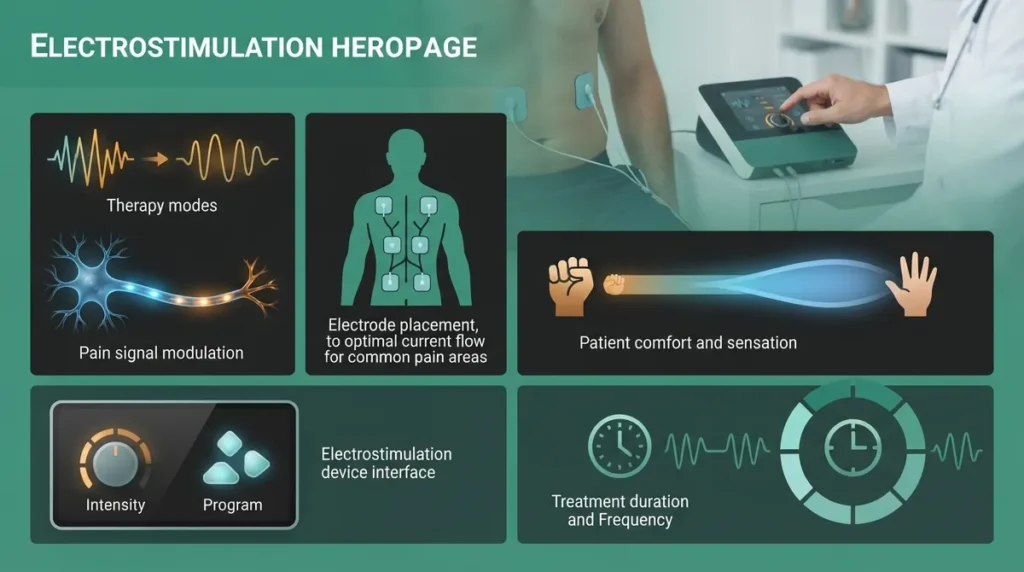
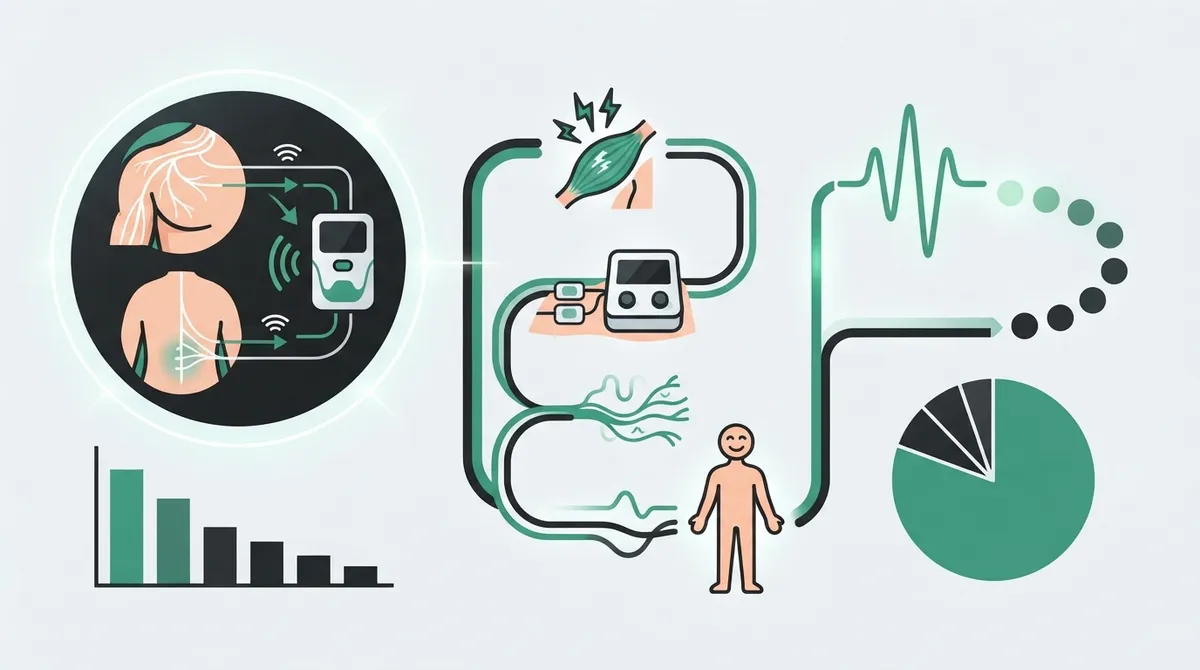
Electrostimulation for pain most commonly refers to transcutaneous electrical nerve stimulation, a noninvasive therapy that delivers low-voltage electrical pulses through adhesive skin electrodes to stimulate peripheral nerves and modulate pain signaling. The mechanism is rooted in gate control theory, where electrical stimulation of sensory nerve fibers interferes with the transmission of pain signals to the brain, alongside the release of endogenous opioids that contribute to analgesia.
Clinics offering this therapy typically use programmable TENS devices that allow adjustment of pulse frequency, intensity, and duration to match individual patient needs. Because TENS units are portable and can be used both in-office and at home, they offer flexibility that few other modalities can match. Providers researching device options often review comparisons such as what makes the best TENS machine for clinical use to ensure they select equipment suited to their patient population.
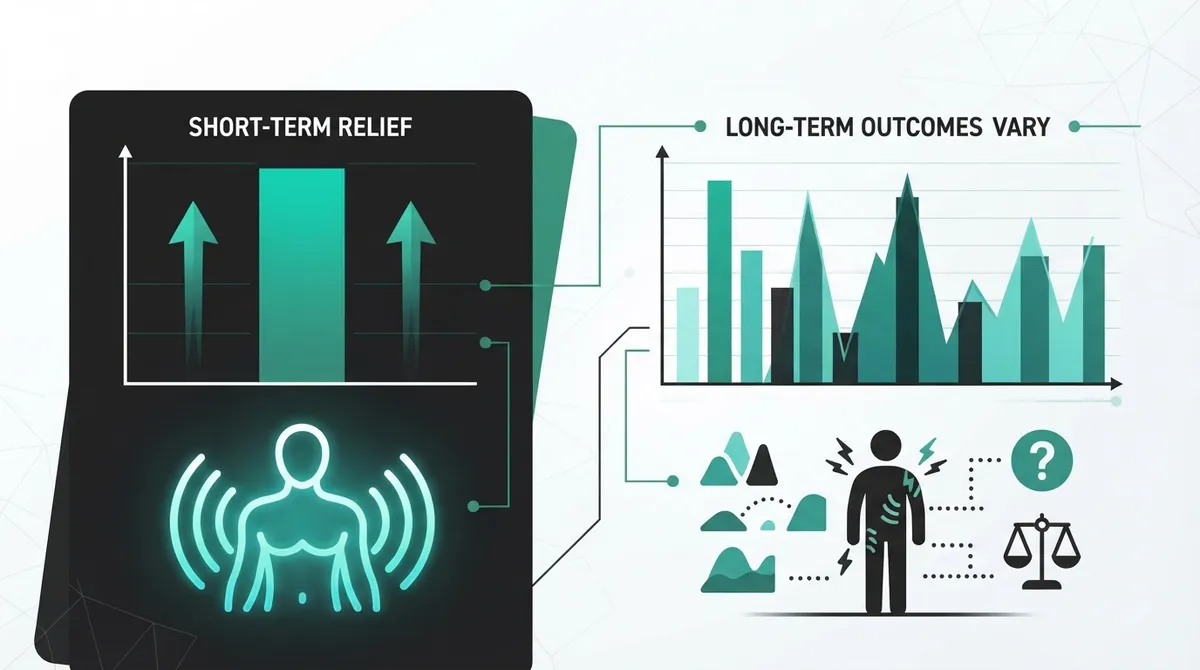
2. Short-Term Relief Is Well Supported, But Long-Term Outcomes Vary
The most robust evidence for electrostimulation supports its use for short-term symptom relief during or immediately following treatment. A 2022 systematic review and meta-analysis encompassing 381 randomized controlled trials and 24,532 participants found that TENS produced lower pain intensity compared with placebo in 91 trials involving 4,841 participants, with a standardized mean difference of -0.96 and moderate-certainty evidence, according to research published on National Library of Medicine.
However, evidence for sustained pain reduction, improved function, or reduced medication use is less consistent and varies significantly by condition and treatment protocol. The same review found lower pain intensity with TENS compared to standard pharmacological or non-pharmacological care in 61 trials involving 3,155 participants, though this evidence was rated as low certainty. This distinction matters for clinical communication: providers should frame electrostimulation as an effective tool for immediate symptom management rather than a guaranteed long-term solution.
- Short-term analgesia is the best-documented benefit of TENS therapy
- Functional improvement and quality-of-life outcomes show more variable evidence
- Results depend heavily on stimulation parameters, patient adherence, and condition type
- TENS works best as part of a comprehensive, multimodal pain management strategy
3. Effectiveness Differs Across Pain Conditions
Electrostimulation may be considered for acute, postoperative, musculoskeletal, neuropathic, osteoarthritis, low-back, and fibromyalgia-related pain, but the strength of evidence differs by diagnosis. A 2024 review of transcutaneous electrotherapies for chronic low-back pain analyzed 14 studies and found moderate evidence that TENS had effects similar to active and passive controls for pain and disability, while interferential current showed limited evidence of outperforming active controls.
For fibromyalgia, a 2025 review of nine systematic reviews reported short-term pain-relief benefits, particularly with higher-intensity treatment courses of ten or more sessions, though certainty of evidence remained low to moderate for pain outcomes and very low to low for functional outcomes. In contrast, a 2025 systematic review of TENS for complex regional pain syndrome identified only two eligible clinical trials totaling 38 participants, concluding that evidence remains insufficient to establish effectiveness for pain, mobility, or edema in that specific population.
Conditions Commonly Treated With Electrostimulation
| Condition | Evidence Strength | Typical Application |
|---|---|---|
| Acute musculoskeletal pain | Moderate to strong | Short-term symptom control post-injury |
| Chronic low-back pain | Moderate | Adjunct to exercise and manual therapy |
| Fibromyalgia | Low to moderate | Extended treatment courses (10+ sessions) |
| Osteoarthritis | Mixed | Symptomatic relief alongside rehabilitation |
| Complex regional pain syndrome | Insufficient | Limited clinical data available |
This variability underscores why clinics benefit from working with knowledgeable suppliers who understand condition-specific protocols. Practices seeking guidance can review resources like why electrostimulation therapy is reshaping clinical pain care for a deeper look at emerging applications.
4. Proper Technique Determines Treatment Success
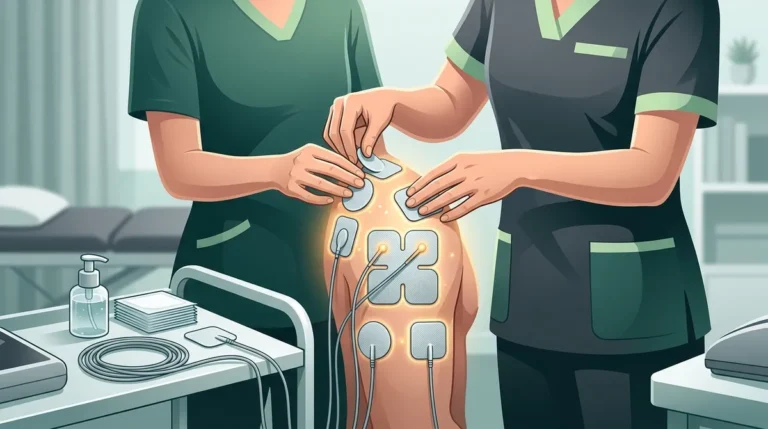
Outcomes with electrostimulation are heavily influenced by stimulation intensity, frequency, pulse duration, electrode placement, treatment duration, and patient adherence. Research suggests that stimulation should generally be strong but comfortable, with electrodes placed on or near the painful area when clinically appropriate. Inadequate intensity or improper placement is among the most common reasons patients report disappointing results.
Providers training staff on proper application should follow a structured process:
- Assess the patient’s pain location, intensity, and medical history to confirm appropriate candidacy
- Select electrode placement based on the painful region, avoiding contraindicated areas
- Begin at a low intensity and gradually increase to a strong but tolerable sensation
- Monitor session duration, typically ranging from 20 to 60 minutes depending on protocol
- Document patient response and adjust settings for subsequent sessions
- Educate patients on proper home use if a take-home device is prescribed
Clinics can find detailed placement guidance in resources such as 10 TENS unit pads placement tips for clinical results and how to set your TENS unit to the right intensity level. Consistent technique across a practice not only improves outcomes but also strengthens patient trust in the therapy.
5. Electrostimulation Technologies Are Not Interchangeable
A common misconception among patients—and occasionally among newer clinical staff—is that all electrical stimulation devices function the same way. In reality, TENS primarily targets sensory nerves for analgesia, while neuromuscular electrical stimulation (NMES or EMS) is designed to produce muscle contraction and may support rehabilitation, strength building, or functional recovery. Interferential current therapy (IFC) represents another distinct modality used in certain pain and rehabilitation settings, often for deeper tissue penetration.
Understanding these distinctions is essential for treatment planning:
- TENS: Targets sensory nerves for pain modulation; does not typically produce visible muscle contraction
- NMES/EMS: Stimulates motor nerves to contract muscles, supporting strength and rehabilitation goals
- IFC: Uses crossed medium-frequency currents that may reach deeper tissues with potentially less surface discomfort
Practices building out their treatment offerings often explore multiple modalities. Physical therapy clinics, in particular, benefit from understanding how these tools complement each other, as outlined in guides like why NMES therapy belongs in every clinic and 15 facts on interferential current therapy for clinics. Selecting the right modality—or combination of modalities—depends on the patient’s diagnosis, treatment goals, and stage of recovery.
6. Safety Screening and Regulatory Compliance Are Non-Negotiable
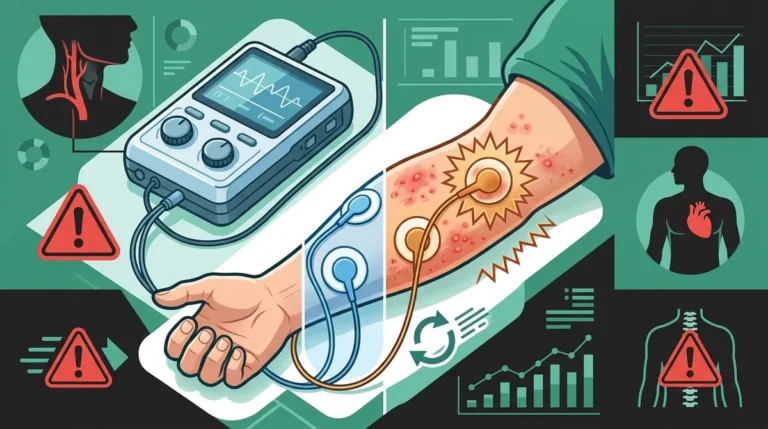
Electrostimulation is generally well tolerated, with possible minor effects including temporary skin redness, irritation, discomfort, or an unpleasant sensation. However, safe use requires careful screening for implanted electronic devices, pregnancy-related precautions, seizure history, impaired sensation, skin integrity issues, and the patient’s ability to operate the device correctly if prescribed for home use.
Certain electrode placements should generally be avoided, including the anterior neck or carotid sinus, across the chest, over the eyes or head, on open or infected skin, over areas of markedly reduced sensation, or directly over an active tumor. Patients with pacemakers, implantable cardioverter-defibrillators, implanted neurostimulators, or other electronic implants should obtain specialist guidance and follow specific device labeling before use, as outlined by resources including Cleveland Clinic.
Notably, the 2022 meta-analysis referenced earlier reported no serious adverse events associated with TENS across its extensive evidence base, reinforcing its reputation as a low-risk adjunct therapy when used correctly. The FDA continues to support expanded access to non-opioid pain management options, and the CDC similarly recommends nonpharmacological therapies as part of comprehensive pain care. Clinics should ensure any devices they use or prescribe carry appropriate regulatory clearance, as detailed in guides such as ISO 13485 certified electrotherapy devices.
Building a Reliable Electrostimulation Program in Your Clinic
For physical therapy clinics, chiropractic practices, and auto accident injury centers, integrating electrostimulation into a broader care plan requires more than purchasing equipment—it demands a thoughtful protocol, staff training, and a trusted supply partner. Auto accident injury clinics in particular often manage patients with whiplash, soft tissue damage, and complex insurance claims, making reliable equipment and documentation essential for both clinical and administrative success. Resources like how to use electrotherapy for auto accident treatment can help streamline this process.
Chiropractic practices frequently pair TENS therapy with spinal adjustments and at-home recovery tools such as back braces and conductive garments to extend pain relief between office visits. Physical therapy clinics, meanwhile, often combine electrostimulation with cervical traction and structured exercise programs to support both symptom relief and functional recovery, as explored in how electrotherapy works for pain and rehab.
Insurance navigation is another critical component. Many practices work with commercial PPO/POS plans, workers’ compensation, and auto accident claims to ensure electrotherapy remains accessible to patients regardless of payer type. Understanding PPO insurance and electrotherapy coverage can help administrative staff reduce claim denials and improve patient access to care.
Key Considerations When Selecting an Electrostimulation Device Supplier
Not all suppliers offer the same level of clinical support, product customization, or insurance expertise. When evaluating potential partners, clinics should consider the following:
- Does the supplier offer devices with appropriate regulatory clearance and documented safety data?
- Can the company customize solutions for specific patient populations, including auto accident and workers’ compensation cases?
- Does the supplier provide ongoing clinical education and placement guidance?
- Is there support for insurance billing and claims documentation?
- Are replacement parts, electrodes, and accessories readily available?
Liberty Medical Solutions has built its reputation on addressing these exact considerations, offering customized electrotherapy devices alongside back braces, cervical traction units, and conductive garments while supporting practices through complex insurance processes including commercial PPO/POS plans, workers’ compensation, and auto accident claims. This comprehensive approach allows clinics to focus on patient care rather than administrative friction.
Conclusion
Electrostimulation for pain, particularly through TENS therapy, offers a well-documented, low-risk option for short-term pain relief when used appropriately as part of a broader treatment strategy. While evidence for long-term outcomes and specific diagnoses remains mixed, the therapy’s strong safety profile and flexibility make it a valuable addition to physical therapy, chiropractic, and auto accident injury practices. Success depends on proper device selection, correct technique, thorough safety screening, and realistic patient expectations grounded in current clinical research, as supported by findings published on Pub Med.
If your practice is ready to expand its electrotherapy offerings with clinically appropriate, customizable equipment and dedicated insurance support, reach out to our team today to discuss solutions tailored to your patient population and practice goals.
FAQs
Q: What is electrostimulation for pain and how does TENS work?
A: Electrostimulation for pain most commonly refers to transcutaneous electrical nerve stimulation, or TENS, which delivers low-voltage electrical pulses through adhesive skin electrodes to stimulate peripheral nerves. This process interferes with pain signal transmission and may trigger the release of natural pain-relieving compounds, providing short-term symptom relief.
Q: Does TENS really help chronic pain or only provide temporary relief?
A: The strongest evidence supports TENS for short-term pain relief during or immediately after treatment, with a 2022 meta-analysis of over 24,000 participants confirming this benefit. Evidence for sustained long-term relief and functional improvement is less consistent and varies by condition, making TENS most effective as part of a broader, multimodal pain management plan.
Q: What is the difference between TENS, EMS/NMES, and interferential current therapy?
A: TENS primarily targets sensory nerves to reduce pain perception without producing visible muscle contraction. Neuromuscular electrical stimulation, or NMES/EMS, stimulates motor nerves to contract muscles and support rehabilitation, while interferential current therapy uses crossed medium-frequency currents that may reach deeper tissues for pain and rehabilitation applications.
Q: Is electrostimulation safe for people with pacemakers, pregnancy, or sensitive skin?
A: Patients with pacemakers, implantable defibrillators, or other electronic implants should obtain specialist guidance and follow specific device labeling before using electrostimulation therapy. Providers must also screen for pregnancy-related precautions, seizure history, impaired sensation, and skin integrity issues to ensure safe and appropriate use.
Q: How should TENS electrode pads be placed for effective pain relief?
A: Electrodes should generally be placed on or near the painful area, with stimulation set to a strong but comfortable intensity for best results. Certain areas should be avoided, including the anterior neck, chest, eyes, open or infected skin, and regions of markedly reduced sensation, to ensure safe and effective treatment.